Upwards – A Week In France

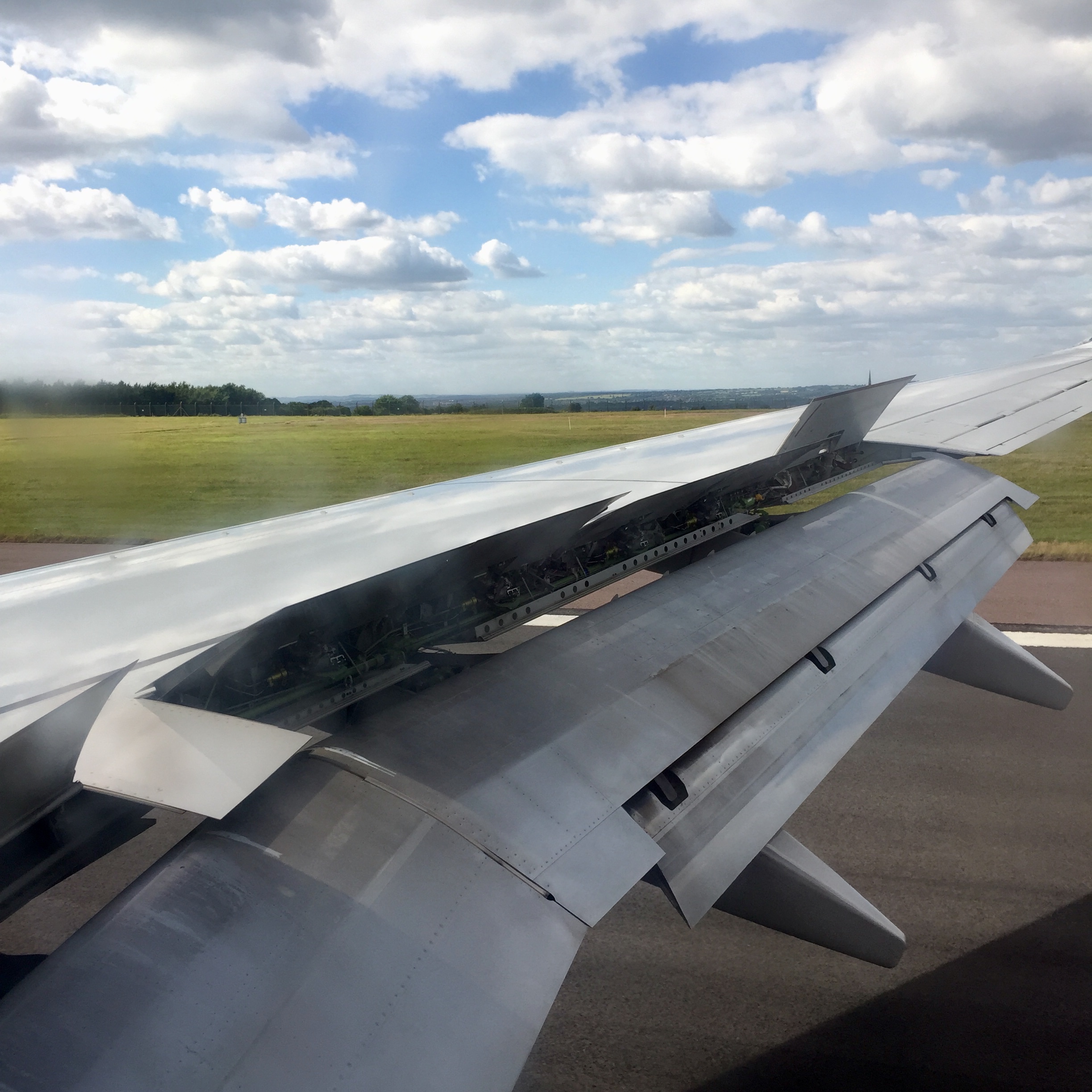
In those few seconds at the end of the runway when the pilot pushes forward on the throttle levers and the engines quickly change from idle to something approaching full thrust, the feeling can be incredibly thrilling if you let your soul off the leash a little instead of distracting it with a book, a sweet or a little conversation.

When I’m far away from any planes or airports, I occasionally wonder whether those few seconds are the closest a person can comfortably get to death without actually dying. That strange sensation of putting your body through a dangerous situation that it’s not really meant to be subject to can do peculiar things to you. So much could go wrong when you’re on a plane, resulting in utter catastrophe, even though the probabilistic likelihood of anything actually going wrong is overwhelmingly slim.

In many ways this is a silly line of enquiry. Is flying any closer to death than standing on the edge of a cliff, driving a car down the motorway or even chopping onions? Probably not. But I imagine those few seconds at the end of the runway can still make you feel some horrendous things if you happen to have a propensity to be scared of flying.
Thankfully I’ve never been afraid of flying. That’s not to say I’ve never had some wild thoughts in those few pre-take-off seconds though. In the past, while letting my mind wander a little, thoughts of death have indeed raced towards me like a roman chariot as the pilot completes his final checklist.

So I was curious about how I would feel when flying for a trip to France recently, as this would be my first time on a plane since I started practicing meditation. Having seen my anxiety generally reduce in all aspects of life and my mind begin to quieten thanks to a daily meditation routine; the scientist within me was excited to see how my experience of travelling at 500mph in an aluminium tube would change with a slightly quieter and generally less-anxious mind.

I found that the answer was pretty much what I had anticipated; there were absolutely no irrational thoughts, no uncomfortable visions about death or crashing, I was left with a thrilling excitement underlying the experience, a joy at rising to greater heights on a pair of wings, through the clouds and up like an angel into the stratosphere.

The majesty of rising up to thirty-odd thousand feet, seemingly floating on nothingness is quite something. It feels like we’re not supposed to be there, like we’re breaking some unwritten law of nature, a transgression that will eventually have to be repaid in some Promethean enactment of justice.

Flying is crazy and beautiful at the exact same time; a bit like most things when you think about it.


France is full of mysterious wonders, passed down as gifts to us from those who lived in an earlier time. One such wonder lies near to Dol-de-Bretagne, in the Brittany countryside.

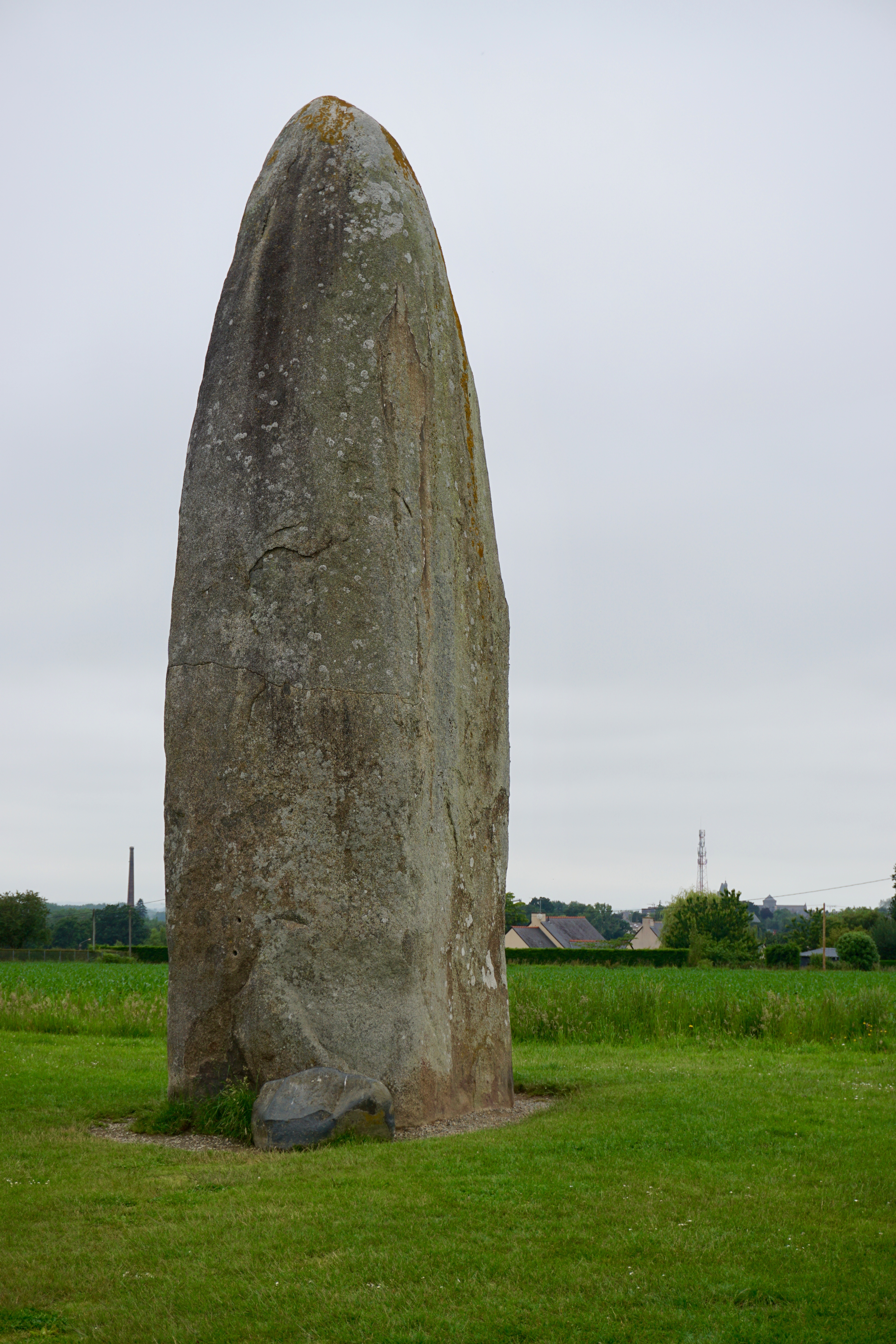
On the very edge of the town, in the middle of a farmer’s field, is a 120 tonne slab of granite over nine metres long that has, at some point, been dragged for miles to the top of a hill and raised so that it is rising up out of the ground at ninety degrees. We don’t really know who did it or why they went to such effort but our best archaeologists estimate it was erected in the neolithic period, probably around the same time as Stonehenge, around five thousand years ago.

The stone has been smoothly rounded at the end so that it points upwards towards the heavens, much like the steeple of a church. Although knowledge of its practical use has long since dissipated, the stone still stands firm after millennia as a beautifully subtle reminder that we should keep our eyes directed upwards, towards the sky, instead of downwards to our feet.
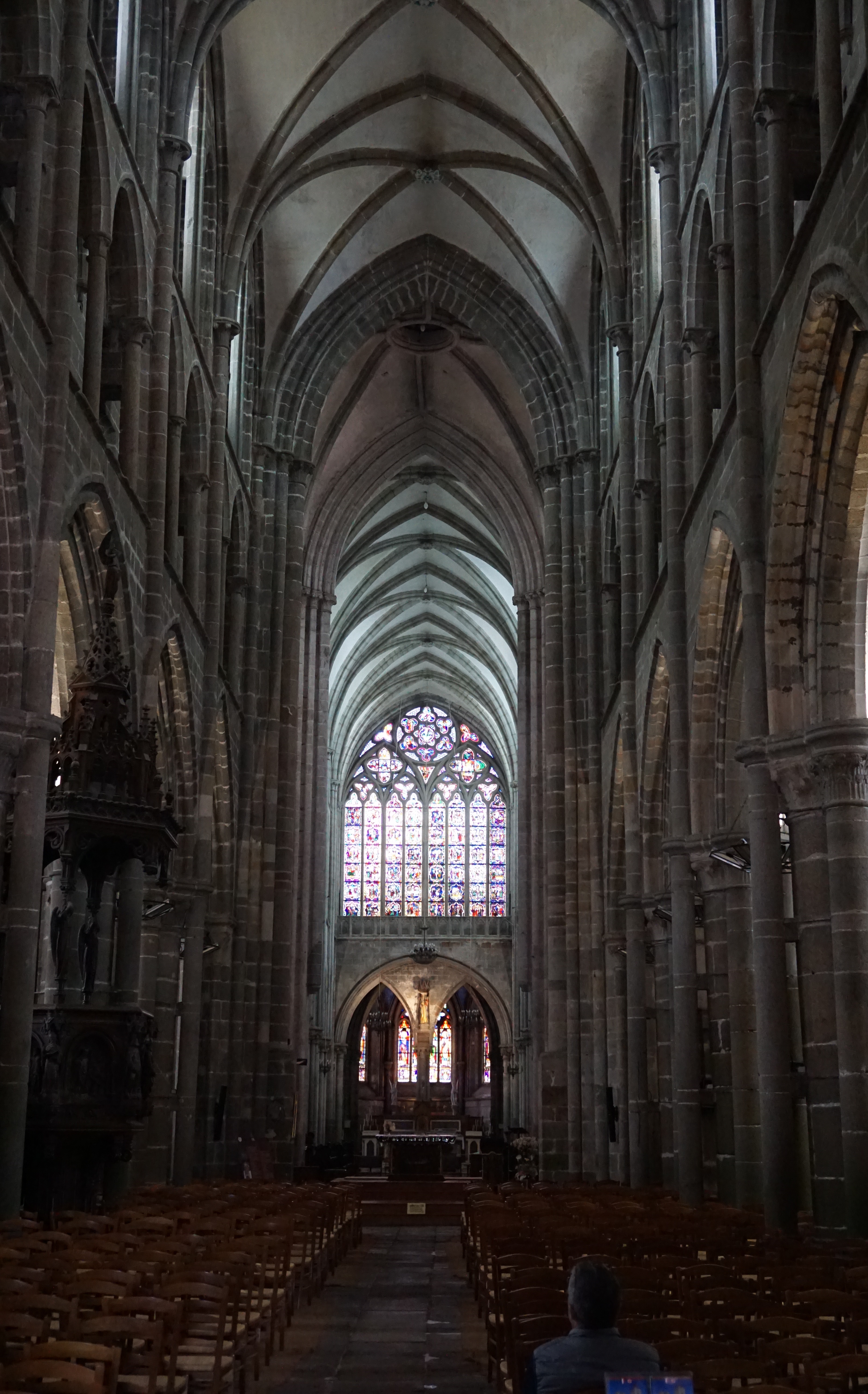
A few miles away in the very centre of Dol-de-Bretagne lies a cathedral. Unusually large for a Breton town so small, the cathedral was constructed in the 13th century.

Due to various bouts of destruction in the centuries since, it’s a bit of a hodgepodge of different architectural styles, but inside, as you walk through the front doors, you are confronted with a long narrow church that is overwhelmingly Gothic: it’s narrow nave rising high above your head, in a way that makes you feel as though your soul is being squeezed upwards into the heavens. It’s a peculiar feeling, but once you notice it, it becomes undeniable; as if an unconscious, ever-present force is willing you to rise up towards the sky.

The great Gothic cathedrals of Europe are undoubtedly one of the high points of human civilisation. Thankfully we are still graced with the existence of most of them, almost a millennium after their construction, for they truly are wondrous in every sense.

Dol-de-Bretagne is about four miles from the beautiful Brittany coast, lush in its tranquil coves and seaside towns surrounded by relatively untouched countryside, it’s not too dissimilar to that of Cornwall.

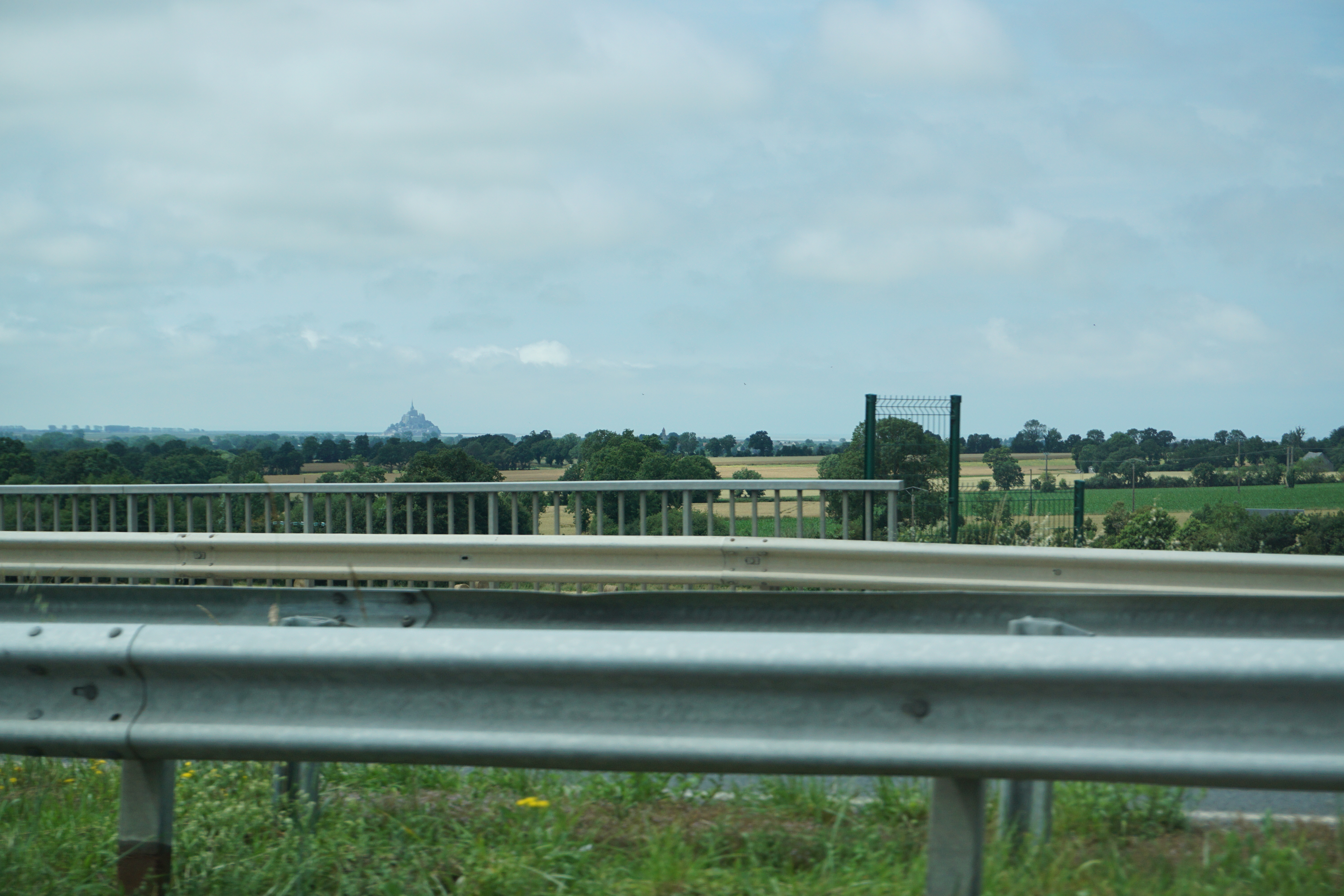
Driving away from the town, parallel to the coast, you can see the mighty wonder of Mont-Saint-Michel, steadfast and rising up out of nothing to emerge standing tall on a flat horizon.

A beautiful Norman abbey close to a thousand years old sits at the summit of Mont-Saint-Michel, a small rocky outcrop in the middle of a huge flat tidal bay. There is evidence to suggest the history of Mont-Saint-Michel stretches back at least two thousand years, with many interweaving layers of architecture and culture built up over the centuries. Some even say the island was once attached to the mainland and surrounded by a dense forest as recently as 1,500 years ago.

Due to the flat and desolate nature of the bay, the crowning abbey and its sharp spire can be seen from all directions upto twenty miles away; a majestic beacon forever pointing towards the sky.

The first time you see it, Mont-Saint-Michel has an amazing effect on you, there are few things in the world quite as distinctive. But it doesn’t lose its magic as the years roll by and you see it again and again, especially when viewed from the motorway when it’s raw wonder can be seen contrasted with the urban mundanity of twenty-first century life.

When driving around Northern France, the change of the landscape, as you move from Brittany into Normandy, is quite distinctive. The lanes of Normandy have a distinctive look due to something called bocage; the hedgerows either side of many country lanes rise high upon steep banks either side of the road, making it difficult to see into the fields beyond.

This unusual topographical feature made it notoriously difficult for Allied troops and armour during the Battle of Normandy towards the end of WWII, allowing the defending German forces to ambush the advancing armies with ease.

Today however, as I travel down the winding lanes of Normandy, overt traces of the fighting that took place in those same lanes three quarters of a century earlier have almost completely disappeared. Instead, the steep bocage banks lining so many lanes encourage you to look up towards the sky as your sight-lines across the neighbouring fields have been obscured. This experience is akin to that inside of a gothic cathedral; that feeling of your soul being squeezed upwards, willed to new heights by the natural cathedral of steep earthy bocage.


Halfway into my time in France, I sat reading Marcus Aurelius’ Meditations, its timeless wisdom travelling down the millennia to blow my mind in the year 2019.

There are many things that are incredible about the book, not least of all its provenance which can be traced back to its careful preservation by a single man, Arethas of Caesarea, a Greek bishop in the 10th century who liked to collect manuscripts. He described his copy of Meditations as “so old indeed that it is altogether falling to pieces” and it’s only thanks to the dedication of that one careful soul that we can today read Marcus Aurelius’ literary and philosophic masterpiece.

But as I sat there in the Normandy sunshine leafing through the pages with the transcendent Move On Up by Curtis Mayfield gently playing in the background, I was suddenly struck by the books gentleness; the way that Aurelius wanted to communicate all of the beautiful, useful, subtle, ever-so-positive wisdom that he had accrued and filtered and distilled and shaped during the years that he was emperor of the largest empire to ever rule the world.

Apparently, Meditations is more of a personal diary than a book, Aurelius writing to aid his own personal development and never intending anybody else to read it. We’ll never know his true intentions, but to me, the book’s ninety pages are so incredibly well formed and calmly authoritative that it’s hard to imagine them not being written with other readers in mind.

Almost every sentence within the book’s pages is written, not on a journalistic whim or a stream-of consciousness burst but in a well-thought-through and meticulously edited collection of concise wisdom that gently reminds the reader how to go about transcending their current state and become a better, braver, more virtuous, more conscientious, more tolerant person.


The beaches along the western coast of Normandy between Avranches and Granville are surprisingly beautiful. They don’t have the quaint cosyness that the best Cornish beaches possess, mainly due to their vast length, but the sand is fine and golden, and they rarely get super busy.

After spending an excruciatingly hot few hours at a beach near the little village of Carolles, the drive back across the coastal hilltops provided a stunning view across the bay, and right in the middle of that vast tidal bay was the mighty Mont-Saint-Michel imposing itself yet again. Sometimes it feels as though it haunts my experiences like an immovable spectre, reminding us of our timeless connection to those who came before.

I recently read how, in early August 1944, Ernest Hemingway dragged most of the US press corps who were in Normandy reporting on the invasion of Europe (including Robert Capa and Charles Collingwood) to Mont-Saint-Michel for a huge party lasting days, drinking copious amounts of vintage wine given to them by the proprietors of the famous Hôtel de la Mère Poularde after being kept hidden from the occupying Germans for years in a secret cellar.

Ernest Hemingway, Robert Capa and Charles Collingwood along with all of their memories, experiences and stories are now long gone from this Earth, but Mont-Saint-Michel remains; standing firm against the relentless barrage of waves that ever-so-slowly wear away its rocky surface.


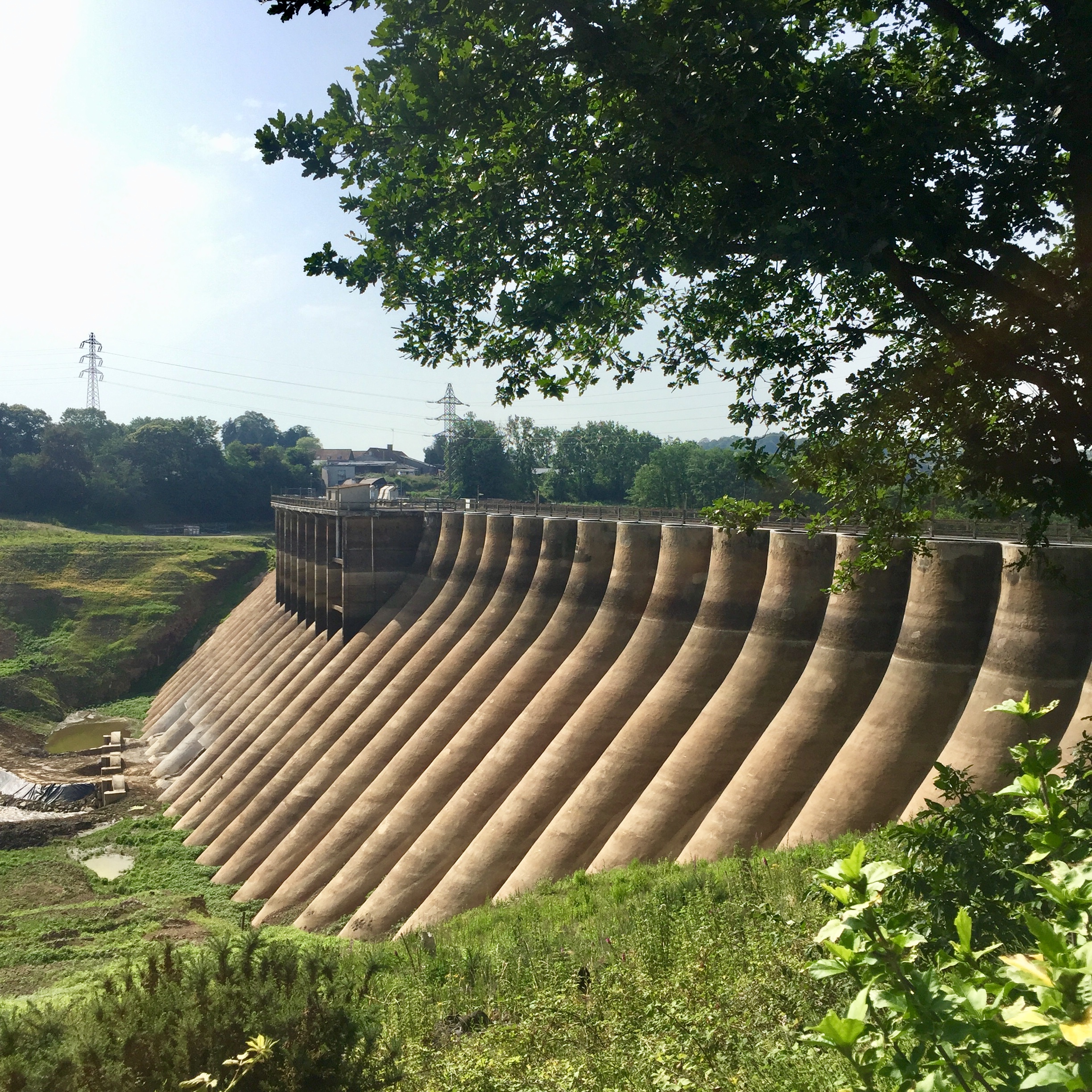
On another day, a journey through the Normandy countryside bought me to an old dam, built in 1932 to generate hydroelectricity.

It once held back the Selúne river to create a huge new lake, but now, with the dam’s sluice gates permanently open and the lake completely gone, it’s in the process of being demolished.

There is no doubt that dams are true marvels of engineering. It’s no less of an incredible feat that a beaver is able to build a structure out of wood that can hold back the force of a raging torrent than it is that our species figured out how to hold back the Colorado and the Yangtze. They say that so much concrete was used in the construction of the worlds largest dams, they will be one of the last large vestiges of human civilisation remaining after our species has long faded into extinction.
But ultimately, how wise is it to hold back the forces of nature?

A dam can generate energy, it can protect us from danger, but preventing natural forces from flowing is bound to eventually lead to major problems elsewhere.

The dismantling of the dam on the Selúne in Normandy has resulted in years of protests from locals who had grown accustomed to the way things have been for the last few decades, drawing a sense of safety and comfort from the holding back of nature.

But maybe sometimes, it’s better to just let things flow instead.


As my time in France reached an end, I was left thinking about Marcus Aurelius and his gentle message of transcendence. Like the Gothic cathedrals and so many of the things I saw while I was in France; rise up, he wills us. Because we all have the opportunity, if we choose to grasp it, to transcend and be better than we were yesterday.
It’s been a while…

However vast the darkness, we must supply our own light.” – Stanley Kubrick

The last time I posted on this blog was over five years ago.

So to start posting again now, after all those years, begs the question; why?
Am I writing for a specific reason, with a specific motivation or goal in mind? Well the simple answer is no; I’m not writing for any particular reason. In fact, I’m not writing because of reason at all. Reason has come to dominate the culture in which we live to an extraordinary degree and what increasingly gets me excited is unreason, emotion, creativity, spontaneity, the moment.

Over the years, I have been lucky enough to stumble upon or be guided towards the work of many enlightened people. Their work has provided me with solace, it has made me happy, it has filled me with joy. It has helped me.
Today I write and create for pleasure, and because I’ve tried not flexing my creative muscles and it makes me feel much worse. To put it more bluntly; I am yet to find another effective coping mechanism for living in the Anthropocene.

Maybe one day, my work can help someone else the way that others have helped me and I can pay back the gift I’ve received in order to complete the circle.


Although I haven’t posted anything on here for a few years, that’s about to change. As my attempts to see into the future have not yet succeeded, I can’t tell you whether these posts will continue with regularity, but what I can tell you is that it’s certainly my intention to try and write substantially, to the best of my ability, and with frequency going forward.

One of the reasons I have posted so little of my work on the internet over the last few years is that I’ve been suffering from somewhat of a crisis of confidence. I often start writing and then quickly become plagued by the question of what I’m actually trying to achieve; who exactly I’m writing for.

The speed and abundance of information in todays world mean that it’s easy to find people already writing about almost anything you can think of somewhere on the internet.
This can be a big confidence killer because as soon as you think of something interesting that you believe is worth expressing, it’s almost guaranteed that you’ll find someone who has already written about it, and from there it’s even easier for your mind to be lured into the trap of believing that because someone has written about it, everybody already knows about it.

In actual fact, every single person in the world has a different level of knowledge and therefore there’s someone out there who might benefit from pretty much any idea you can think of. I think what’s important is context, intention, and the WAY it’s expressed.

The film critic Manuela Lazic said on a podcast recently that for her, writing is about forming ideas about things. It’s the actual process of sitting down to write that enables those ideas to materialise out of the void and without that process there would be nothing to express in the first place. It’s easy to get caught up in the idea that when we write, we are simply communicating pre-existing thoughts and ideas but Lazic is right; I don’t think that’s how it works.

I think writing is integral to distilling loose thoughts and ideas down into their material essence which probably goes a long way to explaining why I often feel so compelled to write.


It was always my aim with this blog to attempt to communicate some of the things I have learnt and experienced to those who might be interested and in todays complex society, I feel there is a greater need for clear communication of experience than ever before.

But that’s not my only aim. Another reason I want to start sending my writing into the world again is to get some practice, with a view, over time, to improving my ability to express myself using the beautiful medium of words.
Writing was never my first love; I despised being forced to craft essays and objectively analyse the subjective art of poetry as a teenager at school, but over the years it has slowly wrapped its tendrils around me and the more I read, the more I fall in love with the ability of the wordsmith to express the deepest and most profound insights.

I’ve been writing into the void for a few years now, not sharing anything I create. In that time I’ve managed to amass over 125,000 words about a huge range of subjects and forming the beginning of countless potentially exciting creative projects. And I think to a certain extent that’s fine; as I mentioned above I primarily write for myself because it makes me feel better.

But I feel there comes a time in your life when you have to make that jump from writing for yourself, to writing for other people.

There are obviously basic pragmatic reasons for this like achieving feedback in order to improve as a writer, but on a higher level, I sense it’s more about paying back the gift of knowledge, experience and education that those who have gone before us have so selflessly shared.

Of course , if you’re not into it and find what I write dull and vacuous then please don’t hang around. Life’s too short to be bored and miserable. Go live your life like a cowboy on the badlands with a world of open plains and radical possibility in front of you.


So what might be appearing on here in the near future?

I’ve got a lot of exciting projects on the go at the moment, some of which will hopefully see the light of day in the coming weeks and months, but I plan to use this blog as a place to post more experimental stuff and informal articles. I also want to use a lot of my own photographs and chuck in some videos and music as well to make it a bit less text-heavy.

If you want to follow me for updates on stuff I do in the future, Twitter is your best bet for now, but in the longer term, I’m planning to make my website the hub of my creative endeavours so keep your eye on that too.

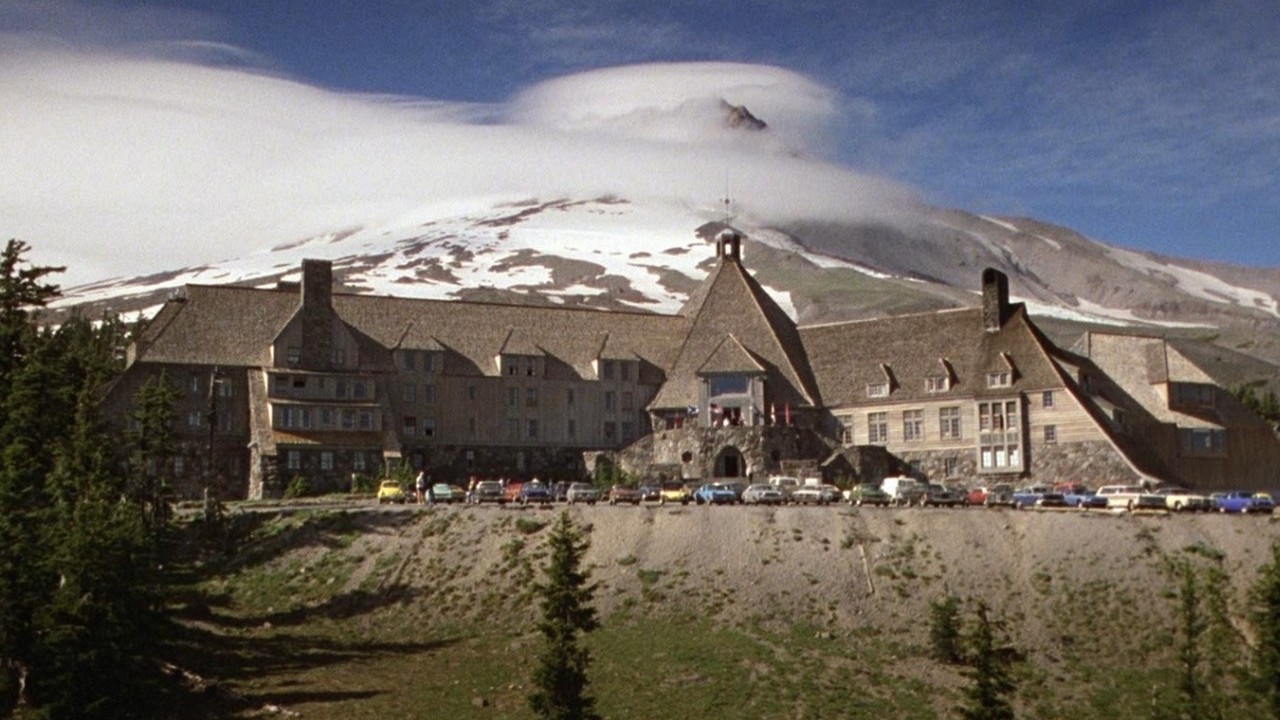
Why The Shining is the Best Horror Film Ever Made


The Shining 4

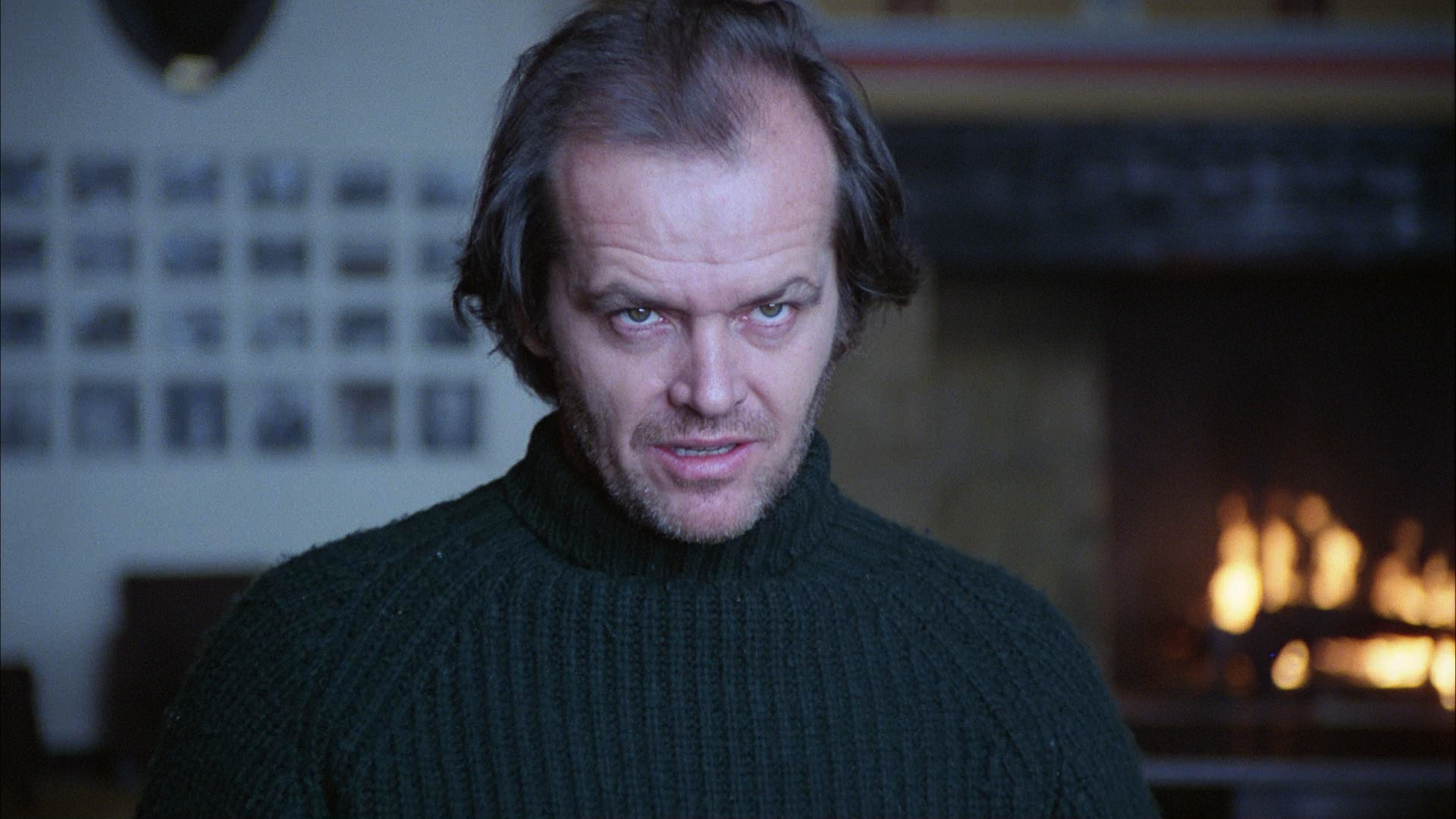
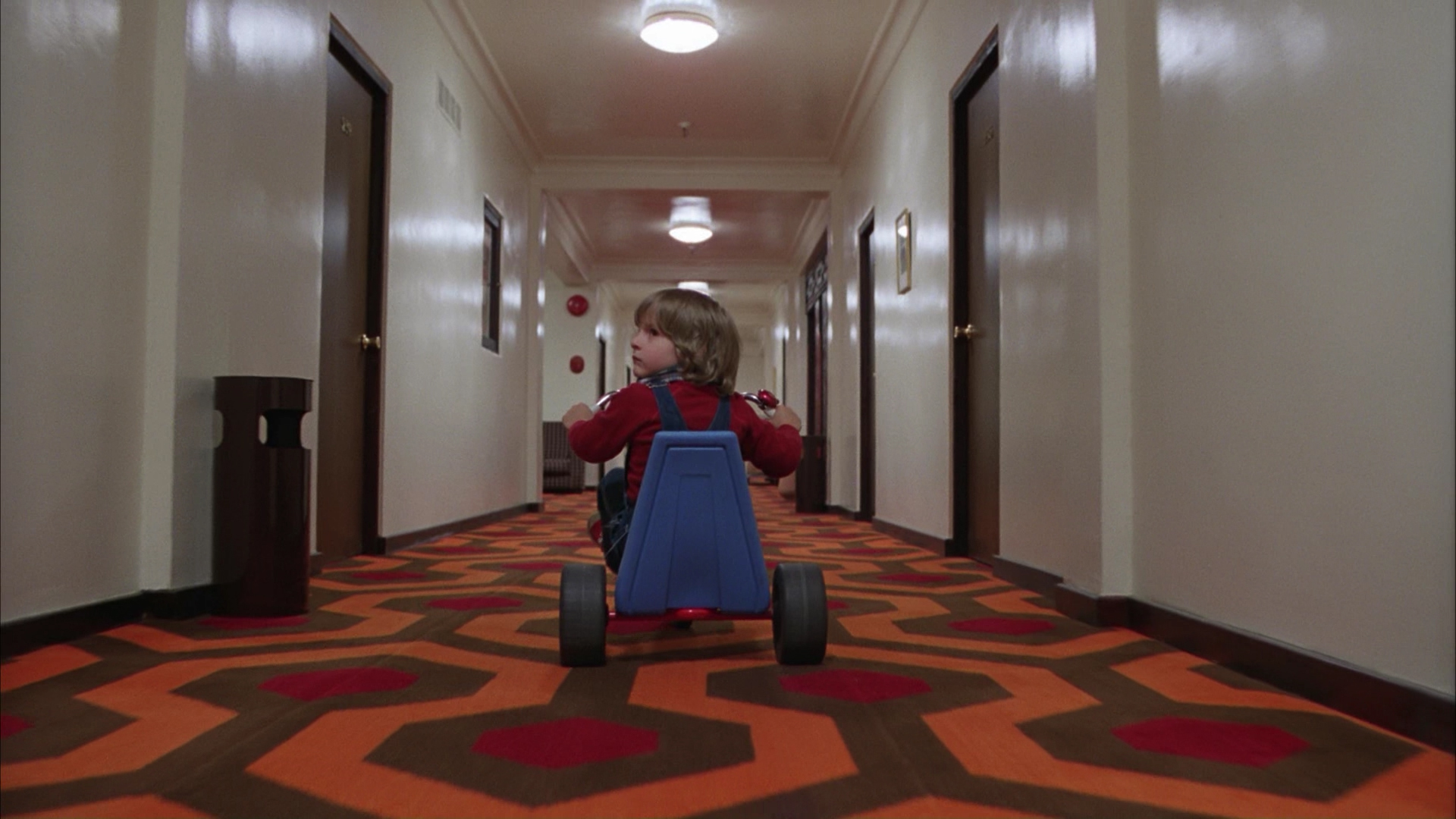
I hold my hands up. Not too long ago, I believed that Stanley Kubrick’s The Shining was an underwhelming horror film. Don’t get me wrong, the acting is outstanding, the immersing wide shots make the cinematography gorgeous to behold and the accompanying soundtrack creates a truly chilling atmosphere. However, I firmly believe that a horror film should be scary. It should make you check that nobody is lurking in the dimly lit corner of your room. It should make you afraid to go to sleep. When it came to The Shining, up until now I have always held that it simply didn’t meet these criteria. Watching a slightly unhinged man chase his wife and son around a big hotel as he slowly slipped into insanity simply wasn’t scary enough for my tastes. Where were the malevolent spirits trying to haunt the family’s souls? Where were the demonic beings trying to push their way into the lives of the terrified family?

However, after giving it some thought and looking at the film with fresh eyes, I have changed my mind. I now believe it may just be one of the greatest horror films ever made.

In a recent interview with The Verge, Kubrick’s wife Christiane explains that:

“He wanted to make a ghost film. A ghost film! You know, just that – a good ghost film [that was] scary. That’s what he wanted to do.”

The Shining 3

After reading this, I was compelled to watch the film once more and reassess my views. Only then did it dawn on me that The Shining is exactly what Christiane had said it was; a film entirely about ghosts. After all, what are ghosts? Simply beings we cannot see that subtly affect the minds of living people. In The Shining, over the course of the film Jack Torrance is slowly but radically influenced by an unseen force that we cannot see! He gradually deteriorates from a lively coherent individual to a terrifying, psychotic zombie-like monster. What can possibly cause a man to undergo this radical change in such a short space of time? The film gently suggests that Jack’s psychosis is the result of interference from a supernatural force, i.e a ghost or a spirit. What is most terrifying to the viewer is if an everyday guy like Jack Torrence can rapidly fall under the influence of some unknown supernatural force, might it be possible for us to suffer the same fate?

The Shining is far from a simple film. If you want to scratch the surface, Kubrick has included enough ideas and visual metaphors to keep you occupied for a long time. The documentary Room 237 explores a number of proposed theories as to what Kubrick wanted to express through The Shining and while many of the theories may say more about the theoriser than the film itself, some cannot be dismissed so easily. Kubrick was known to be a perfectionist who put an extreme amount of effort into getting his films to be just the way he wanted. Therefore, some of the things pointed out in Room 237 such as the impossibility of the layout of the hotel quite clearly exist for a reason.

The Shining 1

When you start to analyse The Shining in greater detail, you end up diving head first down a rabbit hole that does not seem to have a visible end. At its broadest, the film hints at what it means to be human, with a mind that’s more akin to an endless labyrinth than the clear organised bunch of compartments that we like to think it contains. When it comes down to it, I think The Shining is terrifying because thinking about how our mind works is like thinking about the vastness of outer space or the contents of the afterlife. It is scary because we cannot contemplate it, it is beyond our understanding and therefore it takes on a sort of mysterious aura.

Ultimately, like all of Kubrick’s films and all good films in general, The Shining is as simple or as complex as you, the viewer, want it to be. For me it is simply a deep, invasive probing of the human mind and as there is nothing more paradoxical than something thinking about itself, The Shining is the most terrifying film ever made.

“Joy and Sorrow Can Be So Close Together”

The June issue of National Geographic introduced me to a number of incredible people, one of which is Gerlinde Kaltenbrunner. In August 2011 she became the first woman in history to climb to the top of all 14 of the world’s 8,000+ meter mountains without supplemental oxygen. The magazine contains a short interview with her, a portion of which I have included below:

From National Geographic, June 2013:

What’s the scariest moment you’ve faced?

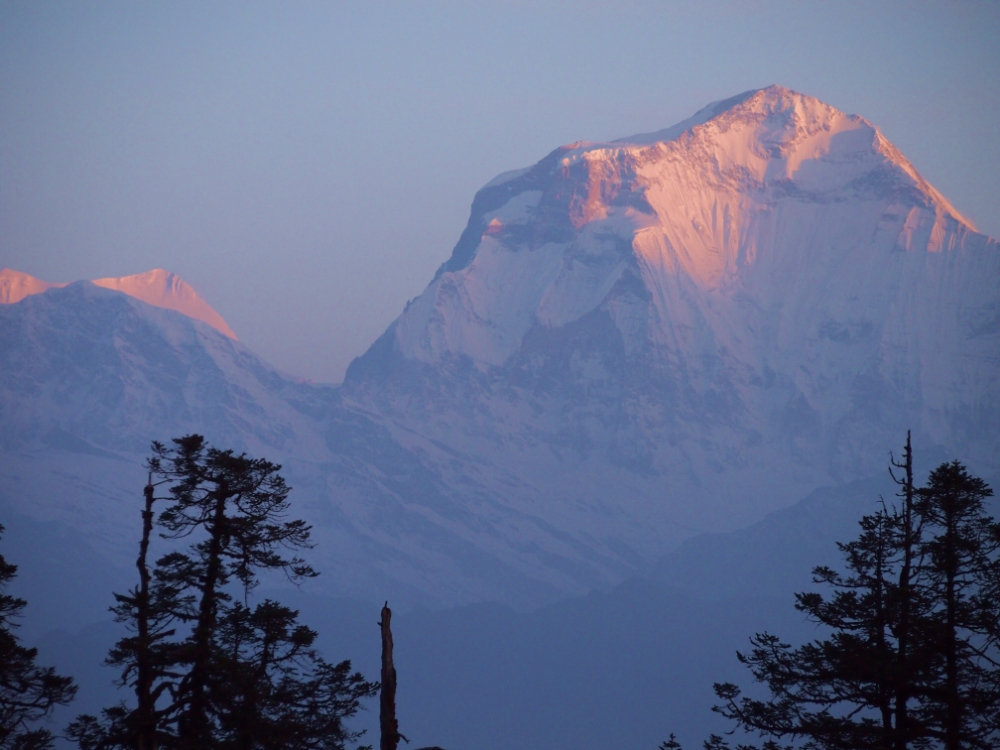
On Dhaulagiri [in Nepal] in 2007 there was an avalanche one morning, and I was swept away inside my tent. When it stopped, I didn’t know if I was up or down; it was so dark. But I thought, OK, at least I can breathe. I always carry a small knife in my harness, so I was able to cut a hole in the tent. I was terrified that the snow would suffocate me. Slowly, slowly, I made it out. I searched for three spanish climbers who had camped near me. Two of them were dead. In that moment everything seemed to be over. For the first time I just wanted to leave the mountain.

How did you move past that terrible experience?

It helped to talk with my husband, Ralf, who is also a climber and understands me completely. I realised that I couldn’t make the tragedy unhappen and I couldn’t stop climbing – this is my life. A year later I returned to the same spot. There was the most beautiful sunrise I have ever seen. Joy and sorrow can be so close together.

Photograph by Martin Travers

Holy Motors and the Wonder of Cinema

Holy Motors 1

The average film is made up of over 150,000 individual images or “frames” displayed one after the other at high speed. If it is projected using 35mm film, a shutter will momentarily close between each frame, preventing any light from leaving the projector while the frame changes. This means that if you’re watching a film projected in 35mm, for half the film you are sat in complete darkness!

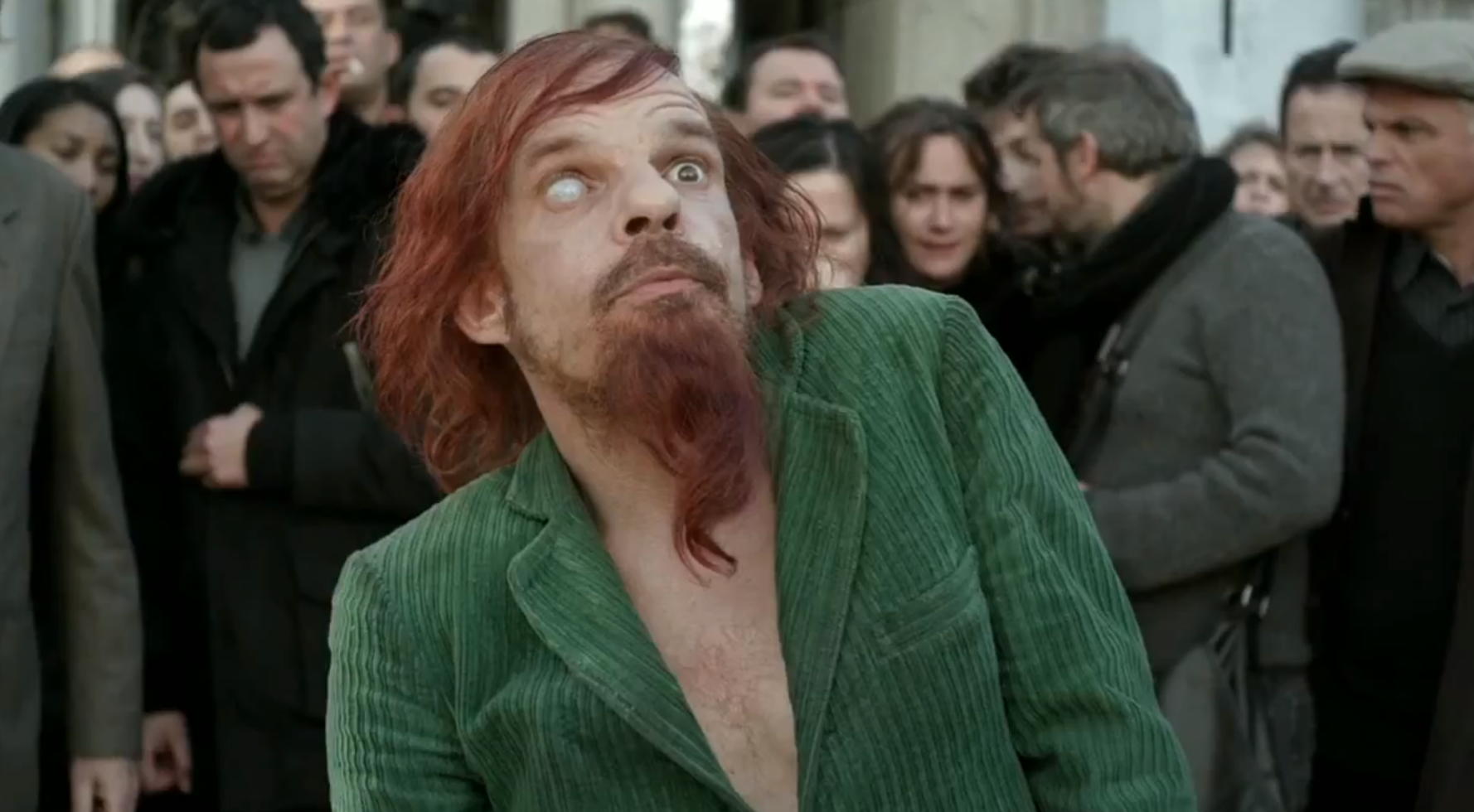
Despite this, the mind buys into the illusion and we are left watching what appears to be a continuous stretch of moving images. The wonderful art of film is capable of producing from this an experience that we often enjoy very much and occasionally provides something more, something so sublime that we are left speechless by the end. Parts of the film Holy Motors were, for me, the very definition of sublime.

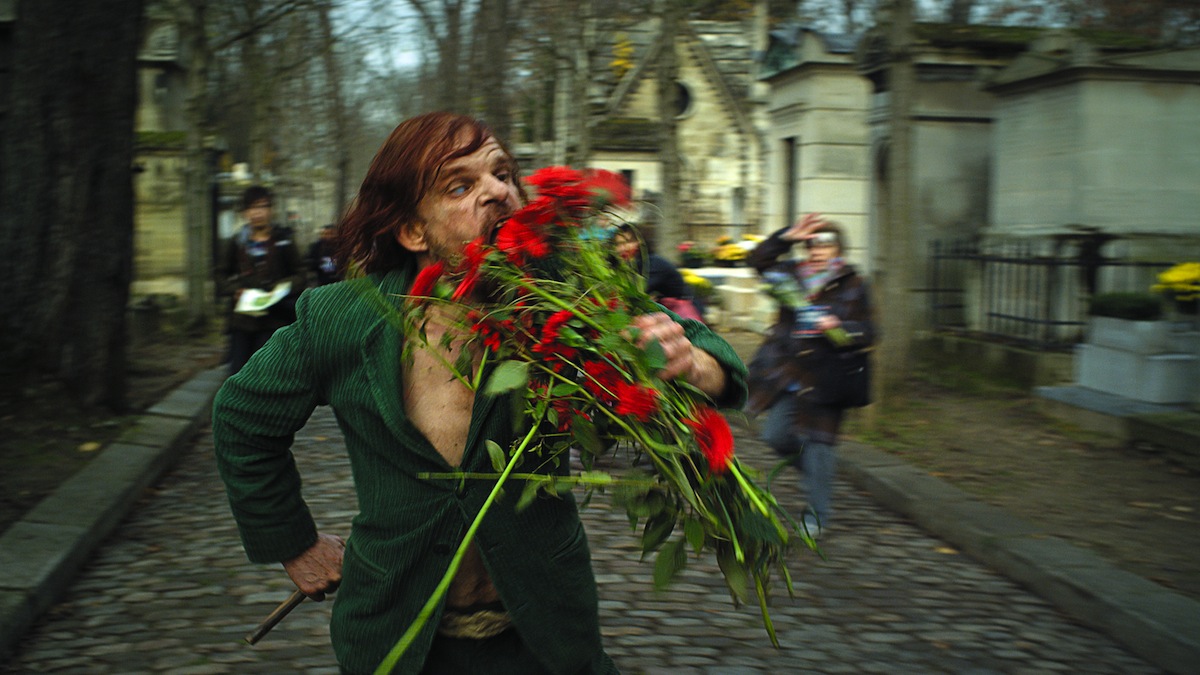
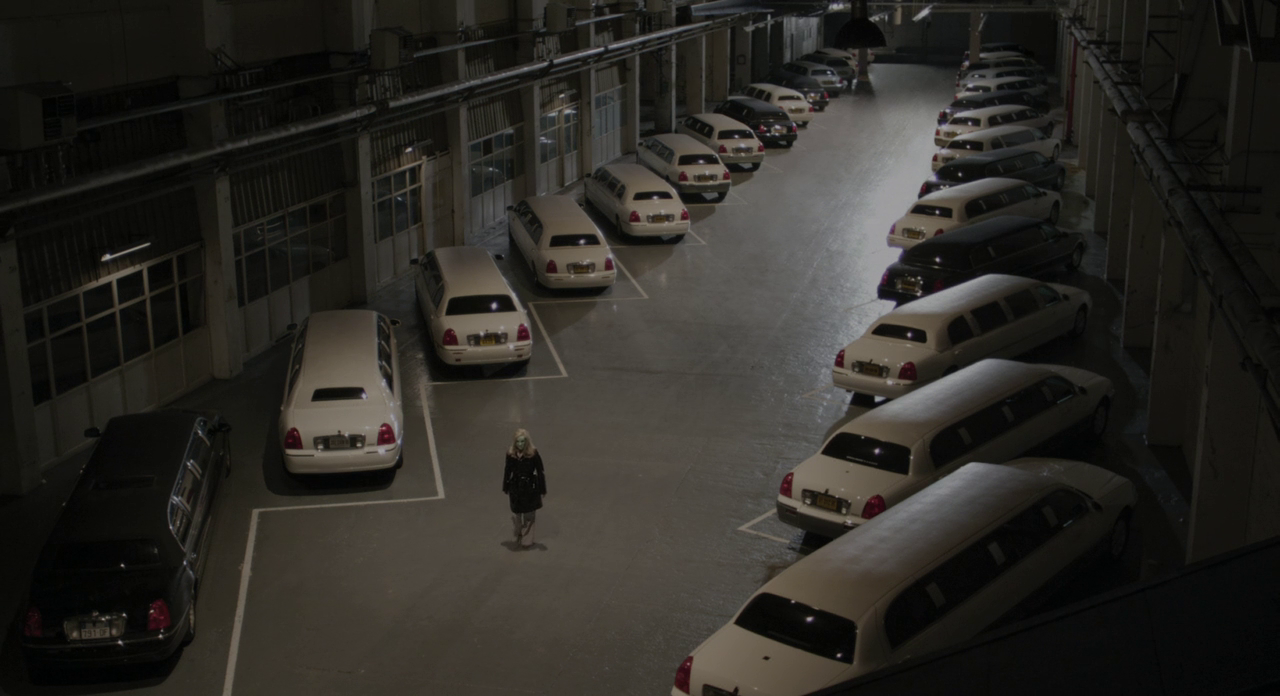
Primarily composed of a selection of wildly different vignettes, Holy Motors is on one level a day in the life of a Parisian man who is chauffeured around in a limousine from place to place as he carries out his daily business. Looked at in a wider sense, it can be seen as a tribute to cinema itself. In its broadest, it is an exploration on the meaning of life.

Holy Motors 2
By the time the credits begin to roll, your mind begins to race, probing and analysing the previous two hours of film that you have just witnessed. What does it all mean? Does it even have a deeper meaning? The important thing is that it makes you think. In an age when cinema seems to be becoming less cerebral and on the whole taking itself a lot less seriously, this film certainly bucks that trend.

In the middle of the film is an “interlude” that is truly magical. I don’t wish to say too much as I believe it’s best experienced fresh to have the full emotional effect but that one scene says more about what it means to be alive than most films from 2012 put together. The result is three minutes of pure unadulterated joy.

Holy Motors reminded me exactly what films are all about, the reason why we go to the cinema in the first place. Watch a string of mediocre films in a row and it’s easy to get stuck in a film viewing rut but watching Holy Motors reinvigorated my passion for great cinema and made me remember the glorious power that films have when they are at their creative best.

Prepare to laugh, prepare to be overjoyed, prepare to be shocked, prepare to be dumbfounded. Strap yourself in as Holy Motors is one hell of a ride.

I’d love to hear your thoughts about Holy Motors if you are lucky enough to have seen it already.

Holy Motors 3
© All image rights reserved by their respective owners.

Grand Relics of the Soviet Union – Part 2

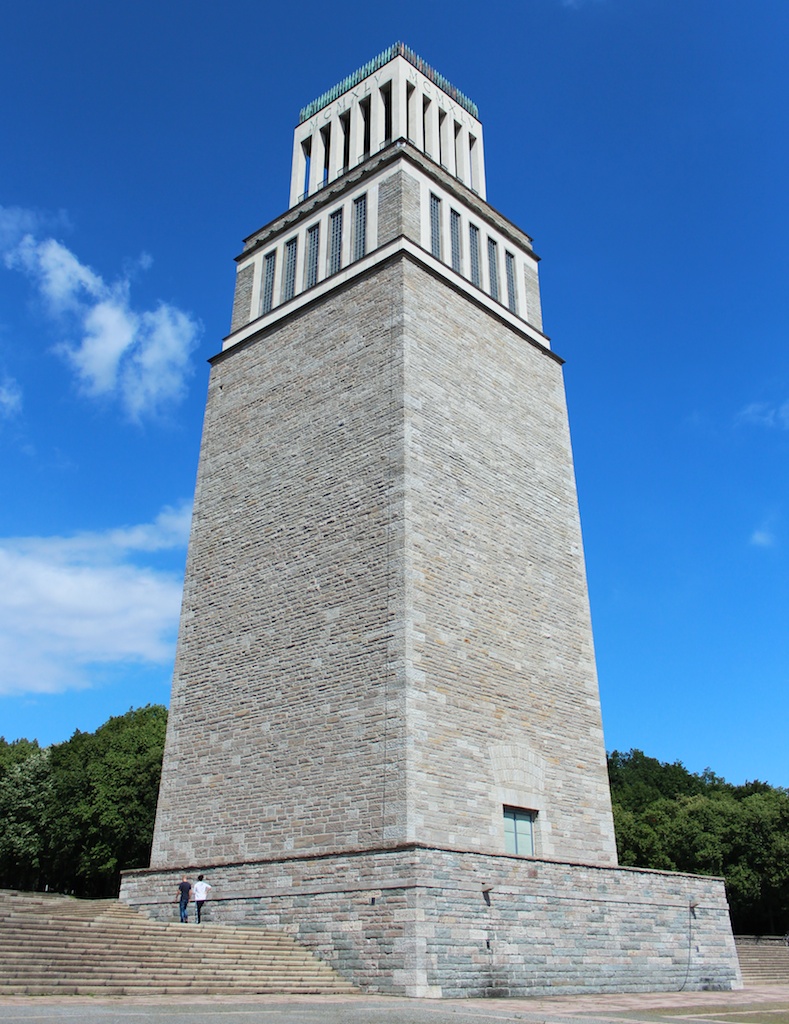
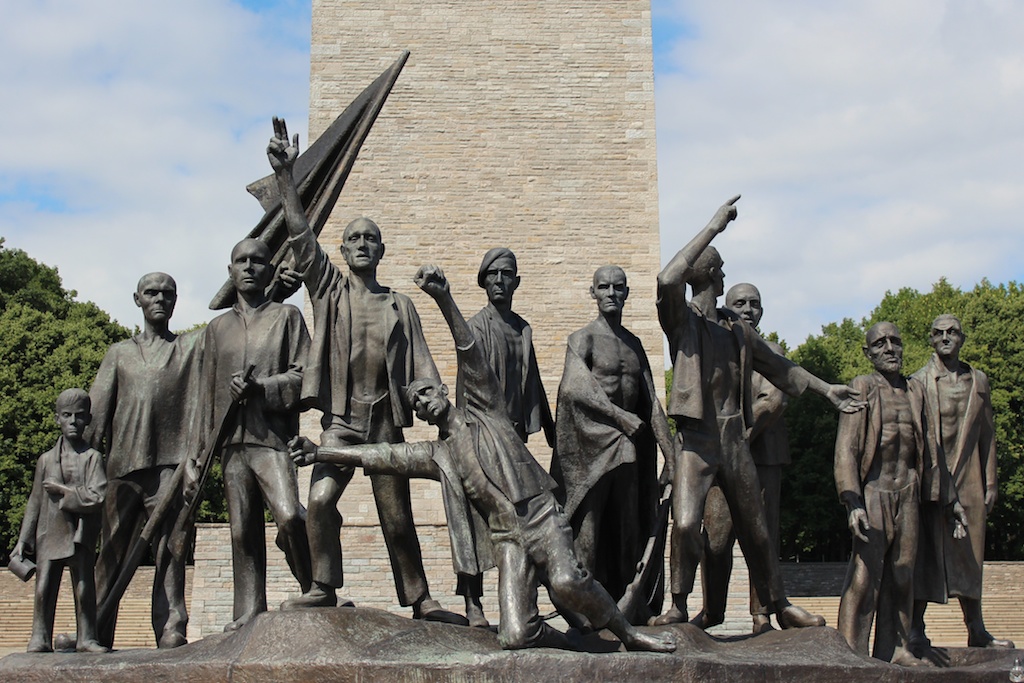
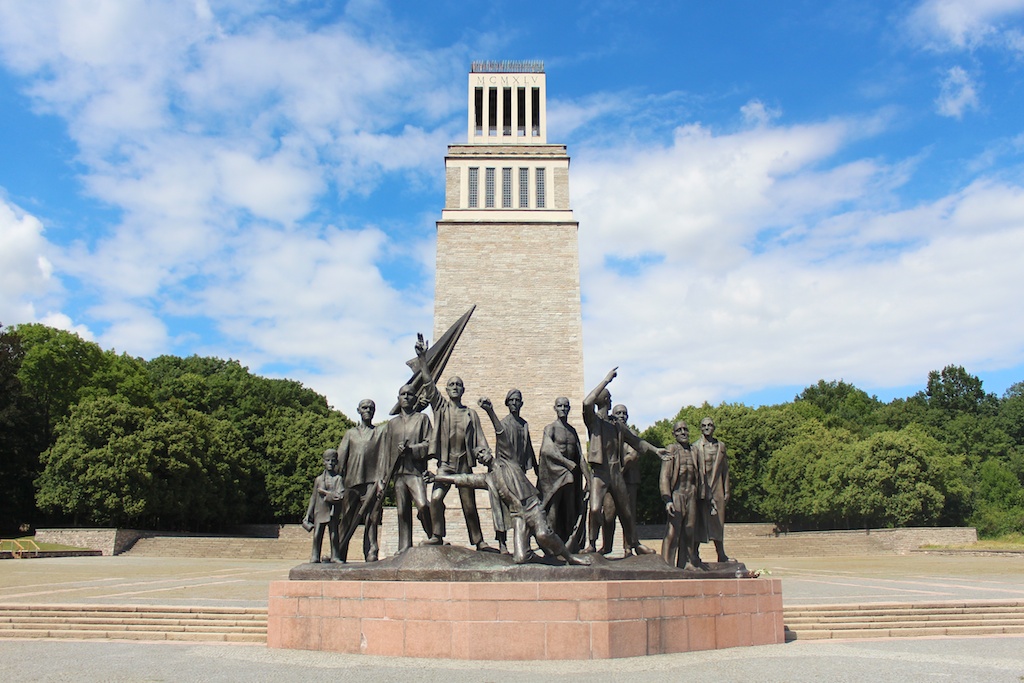
The second Soviet monument I stumbled across on my recent trip to Germany was at the Buchenwald Concentration Camp near Weimar. It was constructed by the Soviet Union in 1958 to commemorate the estimated 56,545 people who died at the camp during the Holocaust.

As you approach the memorial site, emerging from the trees, it is impossible to ignore the enormous stone tower which stands as the centrepiece of the whole memorial….

IMG_2458 - Version 4

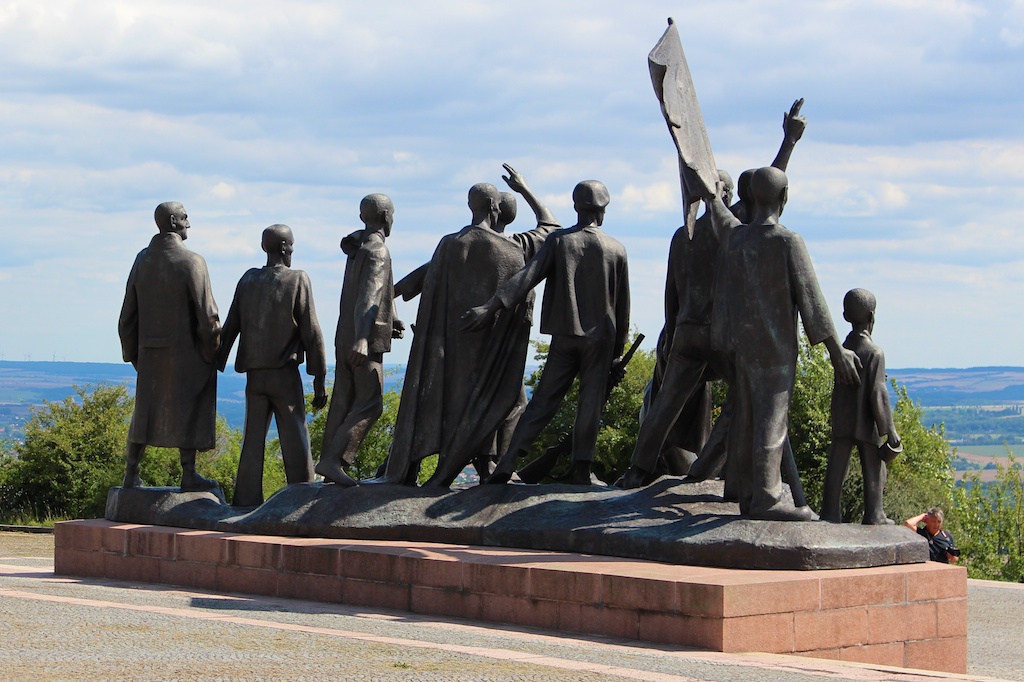
The entire memorial is built on the southern slope of the Ettersberg mountain near Weimar and just in front of the stone tower is a collection of figures looking out at the spectacular vista….

IMG_2459 - Version 3

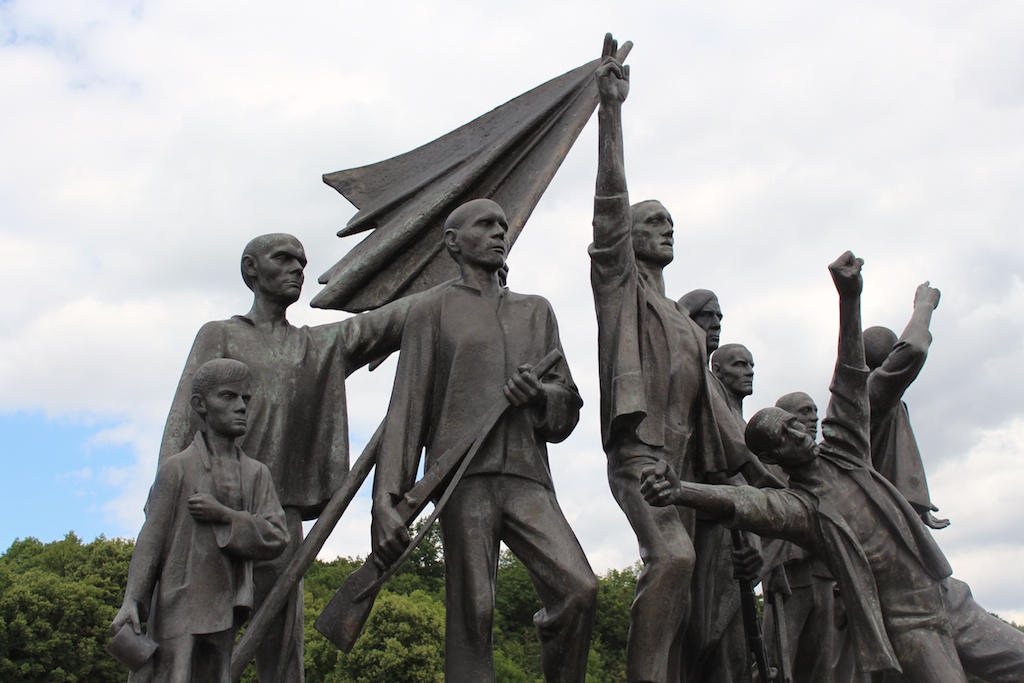
The sculpture depicts emaciated prisoners as they are liberated from the camp in 1945….

IMG_2464 - Version 3

They help to give a human face to the memorial and remind you exactly what it was built to remember….

IMG_2463 - Version 2

The sculpture was designed by Fritz Cremer and the detailed figures represent resistance fighters inside the camp at the moment of their liberation….

IMG_2487 - Version 2

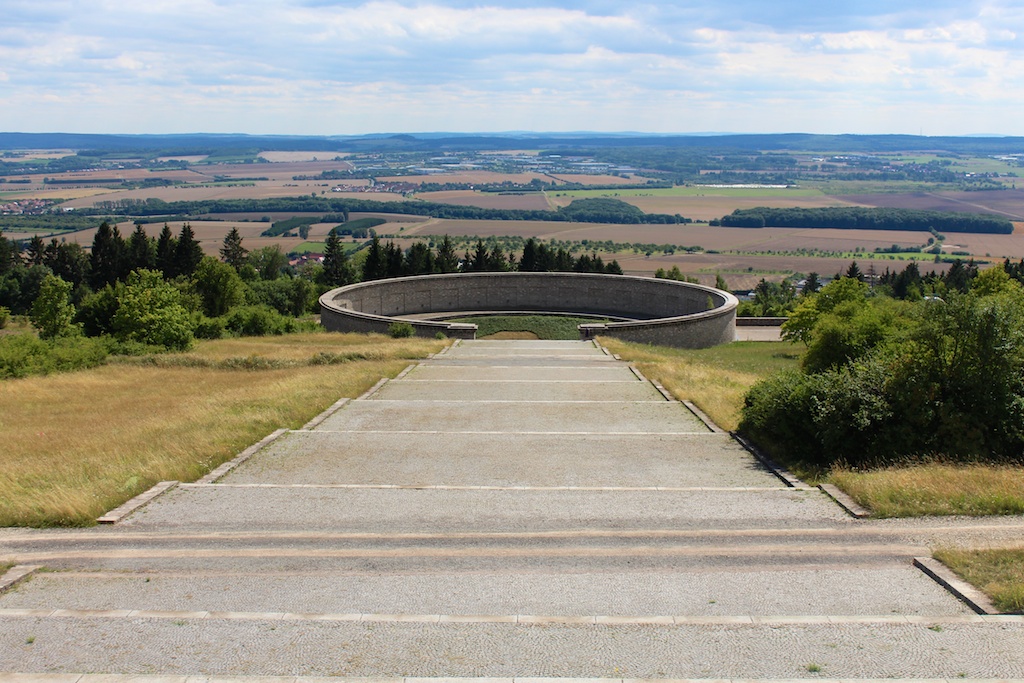
As you look down the steps to the next portion of the memorial, you begin to realise the immensity of the whole thing….

IMG_2462 - Version 3

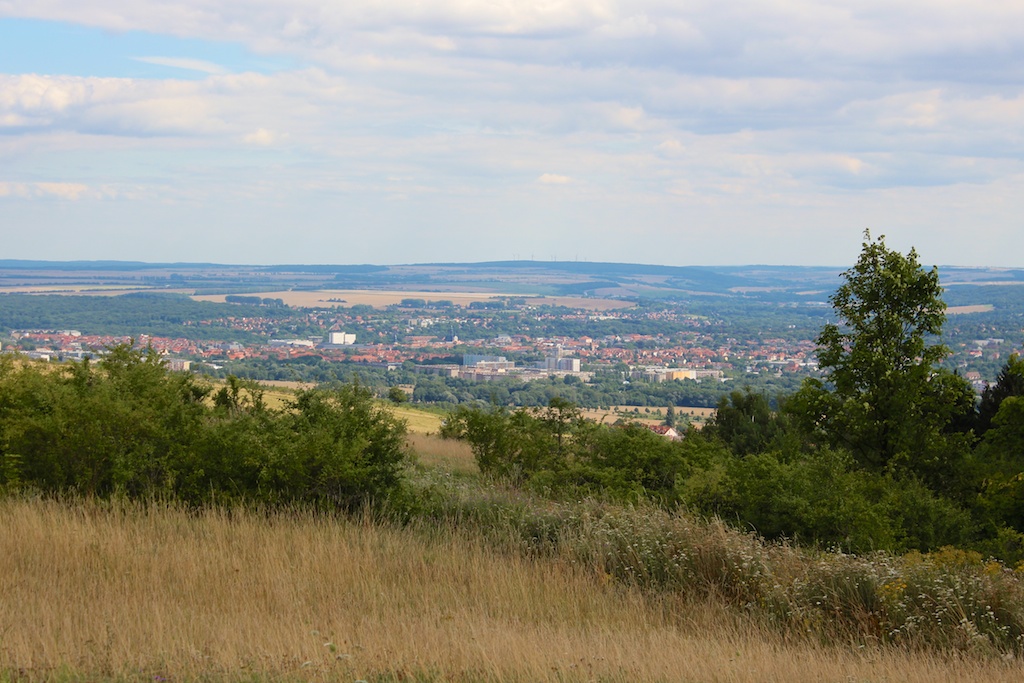
Being built on the side of a mountain means that it has a fantastic view of the surrounding countryside and the city of Weimar….

IMG_2468 - Version 2

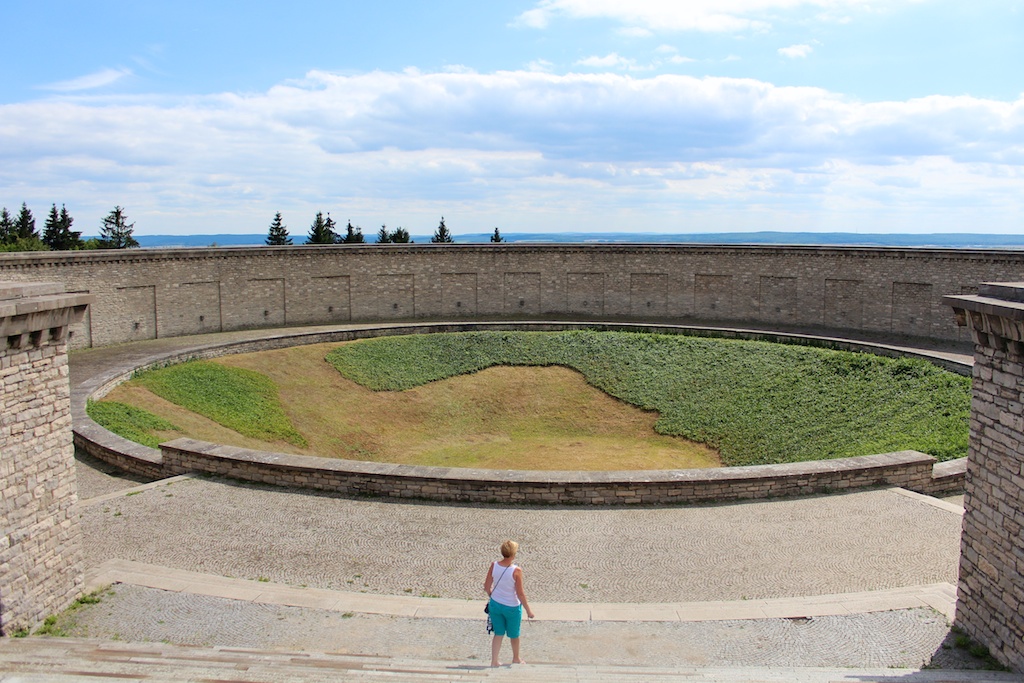
At the bottom of the huge set of steps is the first of three circular areas that are constructed around natural depressions in the ground. These depressions are where the SS dumped the ashes of people they had cremated in the camp between the end of 1944 and March 1945….

IMG_2469 - Version 2

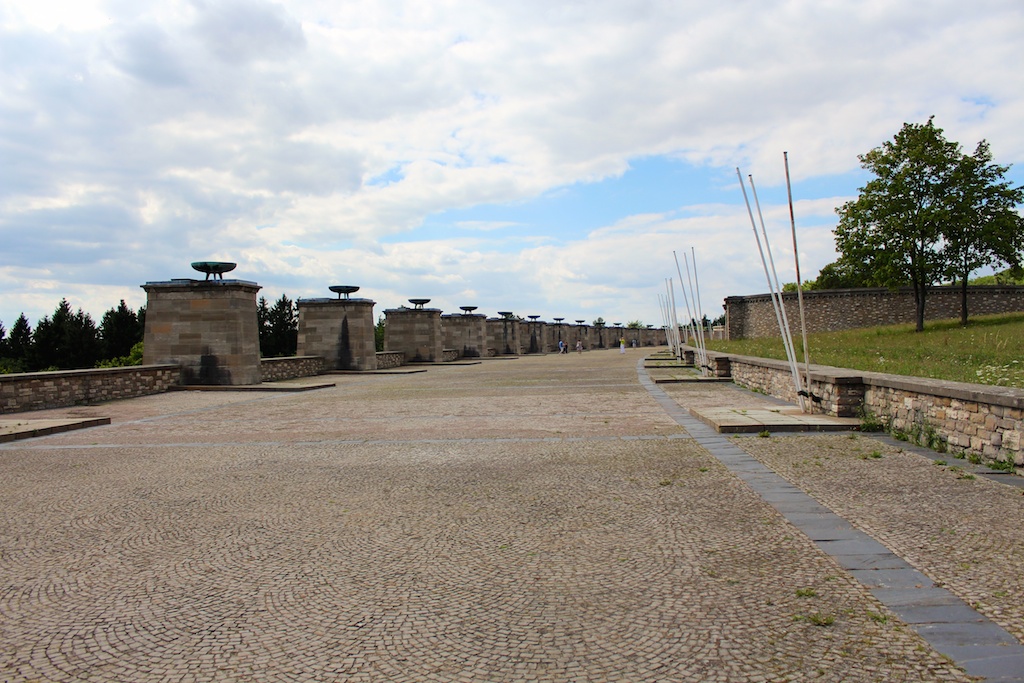
From here, a large paved area joins the remaining two natural depressions in a giant arc lined with plinths. Each plinth is dedicated to one of the countries that the Buchenwald prisoners originated from….

IMG_2479 - Version 2

The size of the whole site is quite remarkable and must have taken a considerable amount of planning by the Soviet Union….

IMG_2484 - Version 3

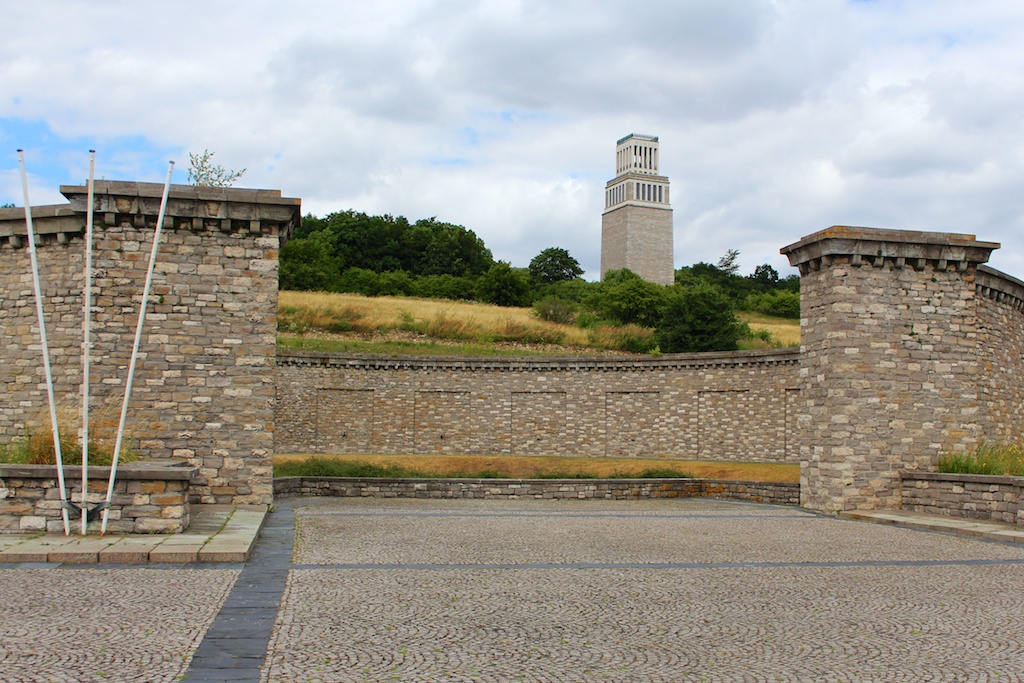
The stone tower that forms the centrepiece of the memorial can be seen from the city of Weimar over six kilometres away….

IMG_2211 - Version 2

There is no denying that Soviet memorials were built on a vast scale. Whether this extravagance is justified is questionable but it’s worth remembering in this case that Buchenwald Concentration Camp witnessed the massacre of over 50,000 people. Therefore, any memorial which reminds people of this horrific period in history is in my view extremely important, regardless of it’s size or grandiosity.

Grand Relics of the Soviet Union – Part 1

While in Germany recently, I stumbled upon not one but two enormous monuments erected by the Soviet Union to commemorate the huge loss of life in two different aspects of the Second World War.

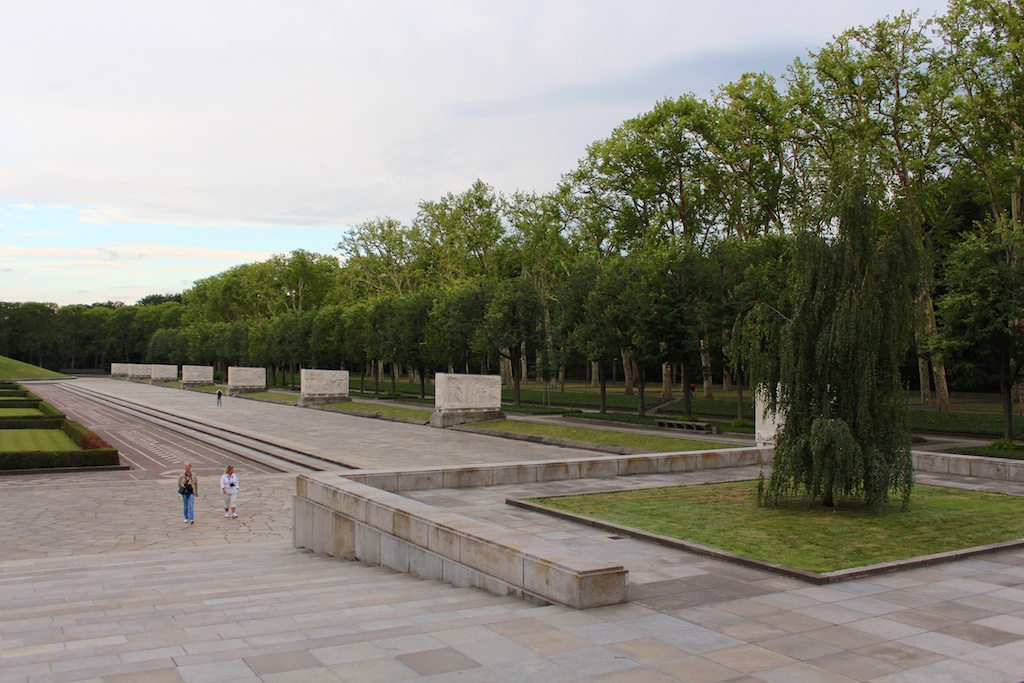
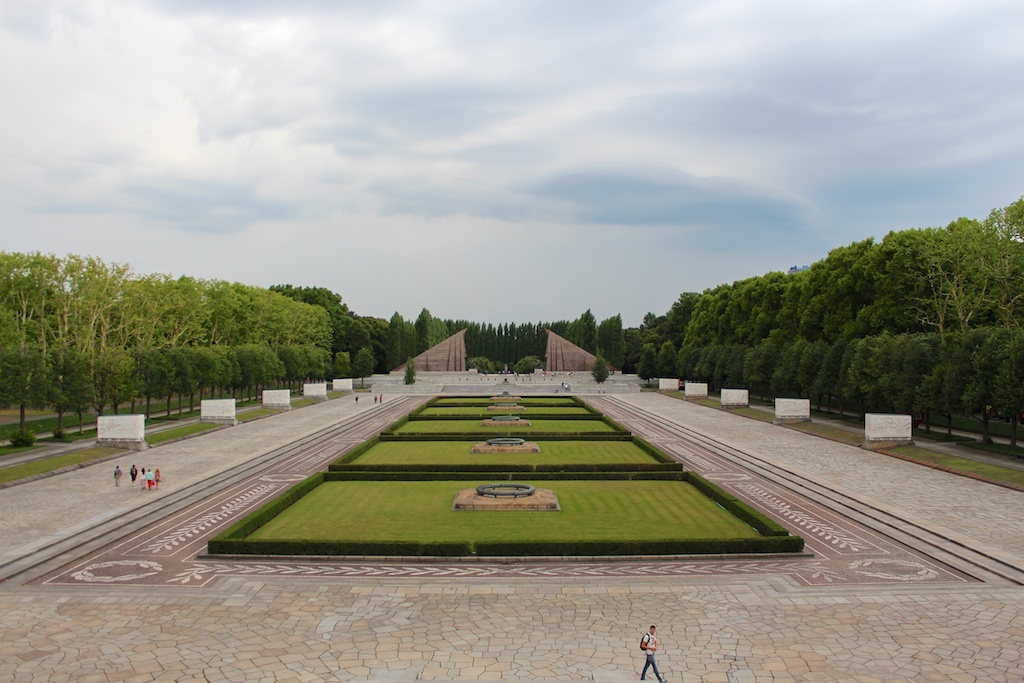
The first was nestled away inside Treptower Park in Berlin. It was constructed in 1949 to remember the 80,000 Soviet lives lost during the Battle of Berlin four years earlier.

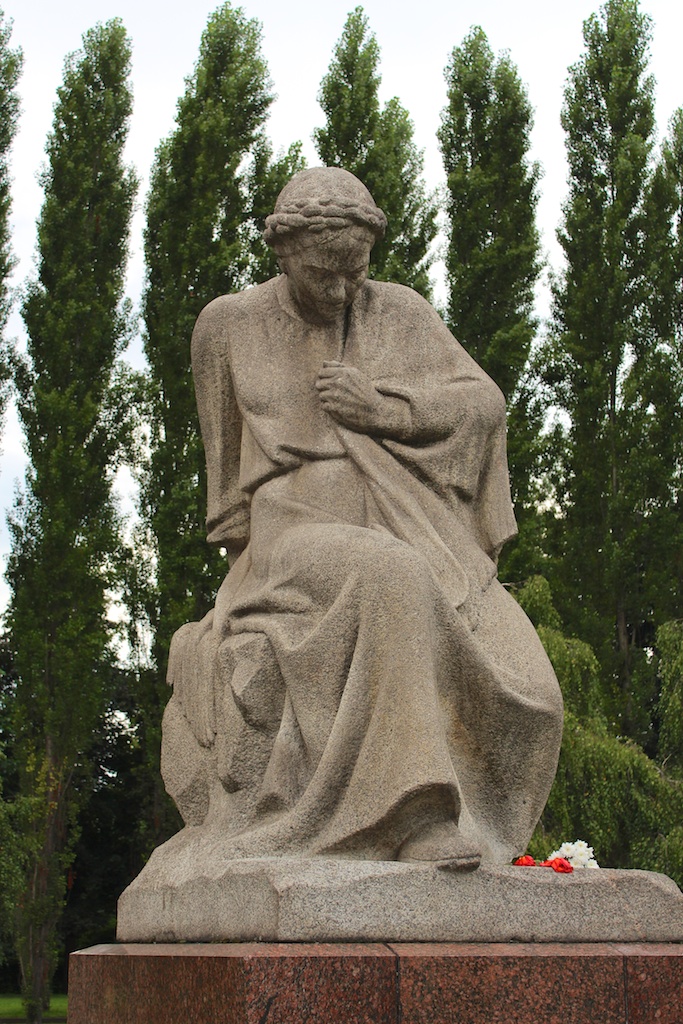
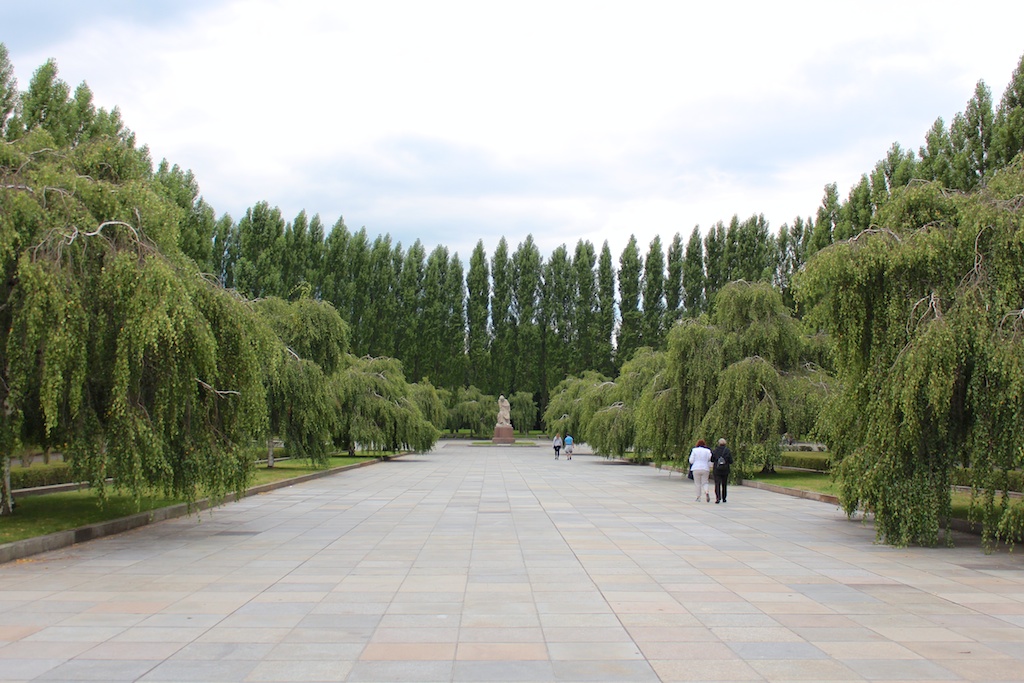
When you first walk into the memorial, all you can see in front of you is a hunched figure on top a plinth surrounded by trees. As you draw nearer, it becomes clear that what you are looking at is a female who it turns out is “the Motherland weeping at the loss of her sons”….

IMG_2600

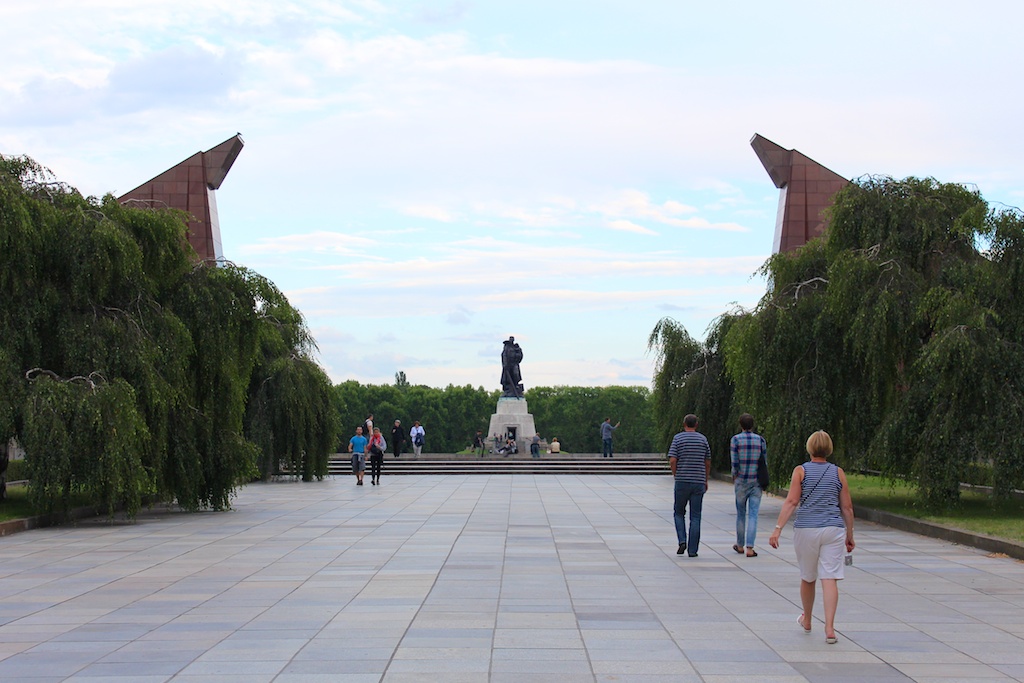
As you turn to the left, it is now possible to see the rest of the enormous memorial directly in front of “the Motherland”….

IMG_2605

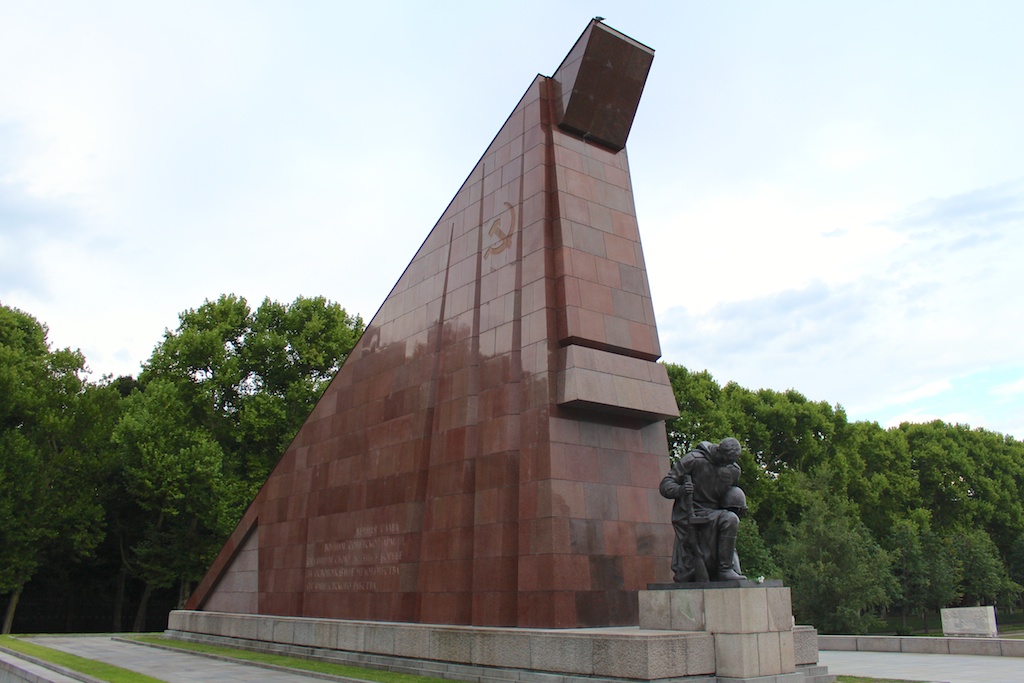
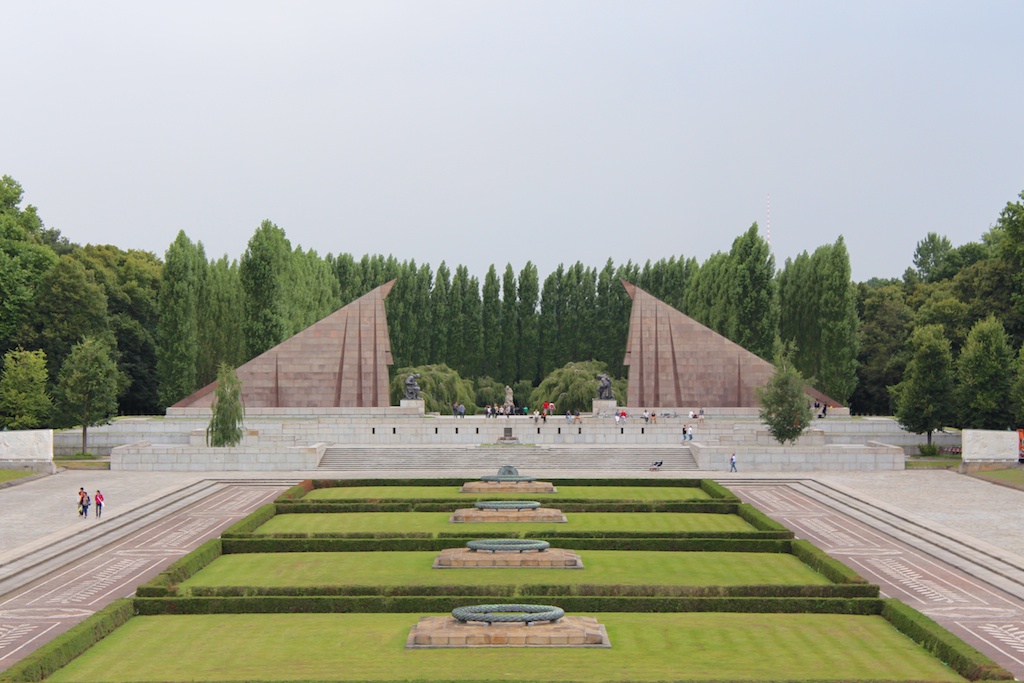
Two huge triangular towers form a gateway into the main part of the memorial. The red granite was allegedly taken from the ruins of Hitler’s Reich Chancellory 4 miles away….

IMG_2607

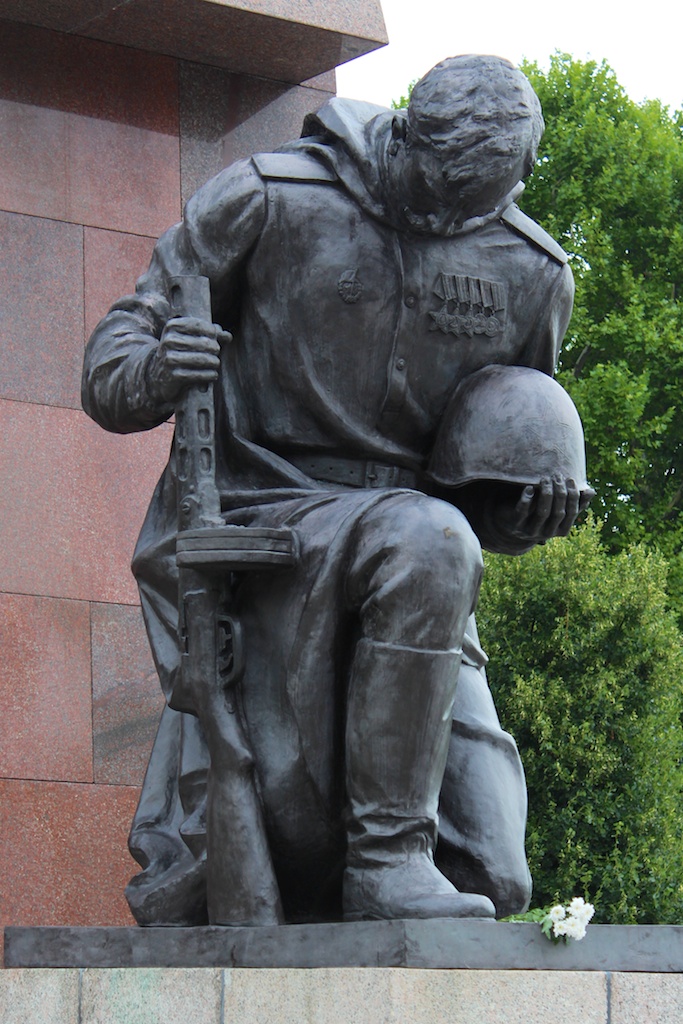
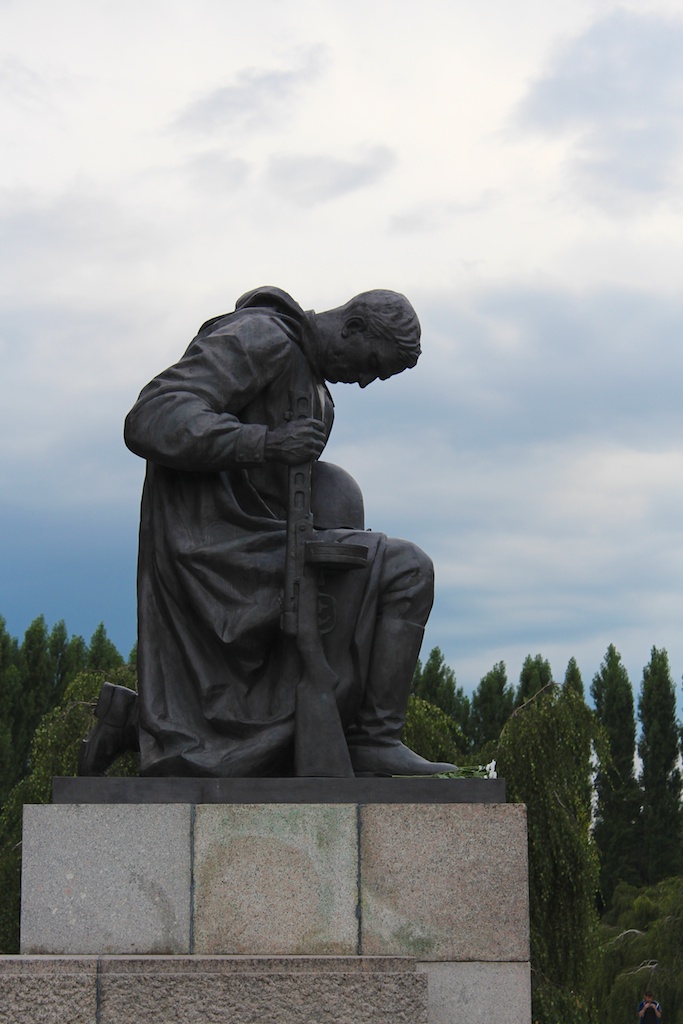
At the foot of each tower is a Soviet soldier kneeling to those who pass….

IMG_2610 - Version 2

Turning back to look in the direction that you came, “the Motherland” is now a small figure in the distance shielded by trees….

IMG_2606

Walking on through the gateway, past the two kneeling soldiers….

IMG_2615

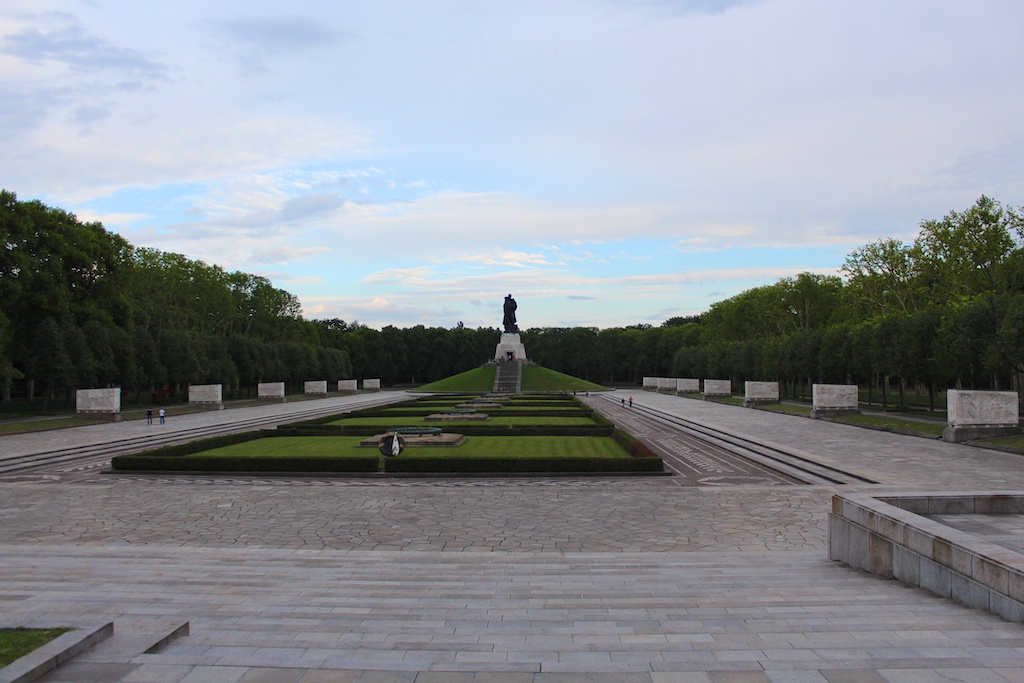
You enter the vast central area of the memorial. Here, over 5,000 Soviet soldiers are buried in mass graves….

IMG_2613

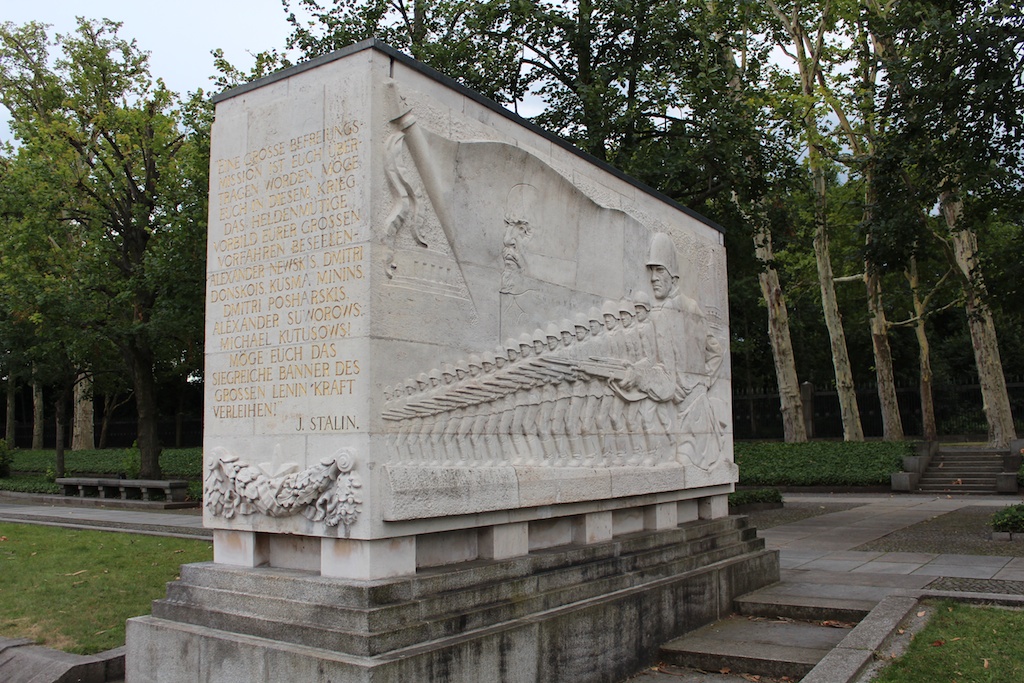
Surrounding the graves are sixteen stone sarcophagi….

IMG_2618

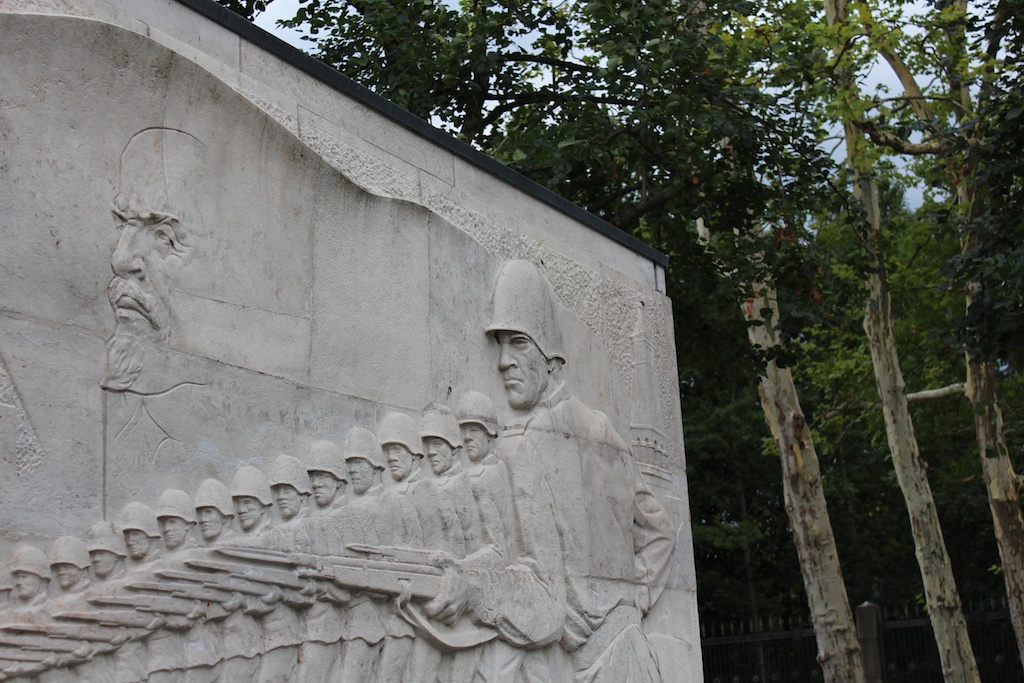
Each with detailed carvings of military scenes and quotes from Joseph Stalin….

IMG_2622

This particular sarcophagus shows Soviet soldiers charging into battle below the ghost of Vladimir Lenin….

IMG_2623

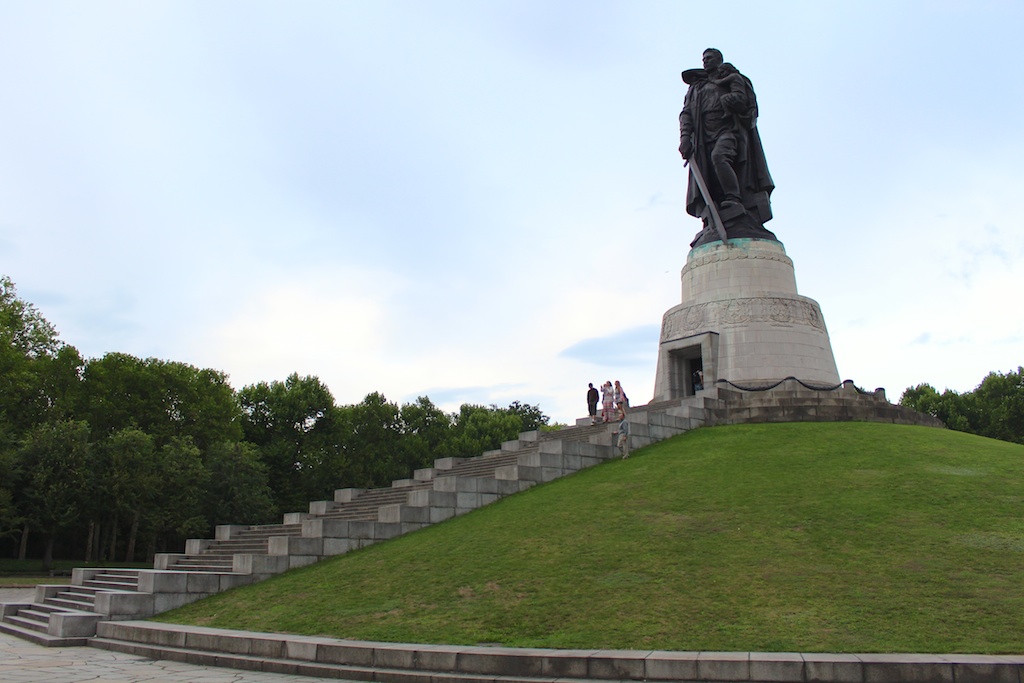
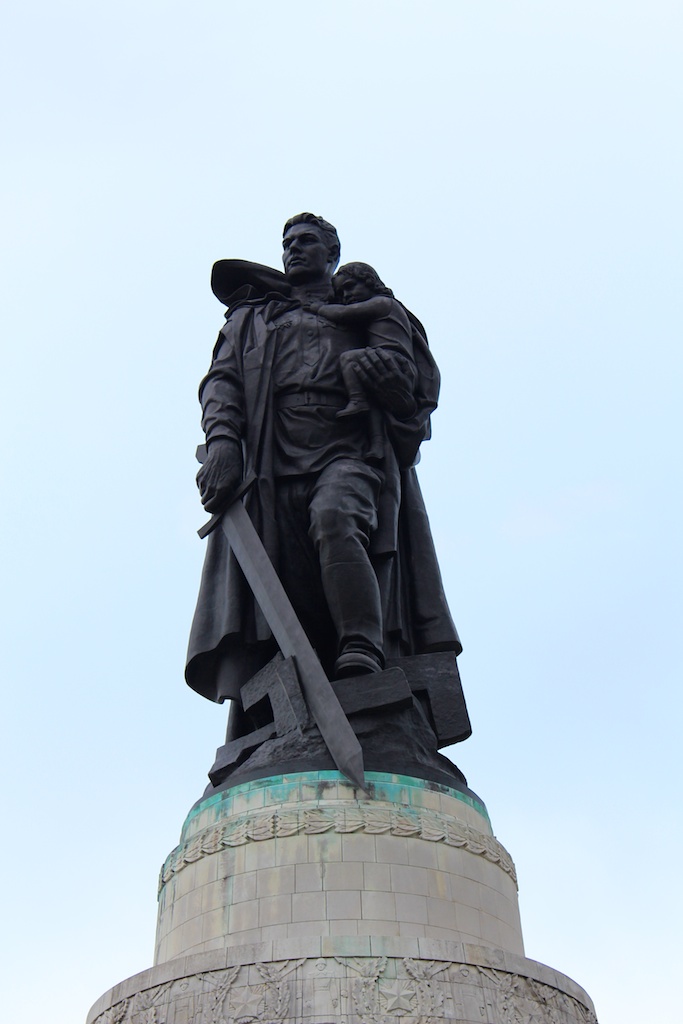
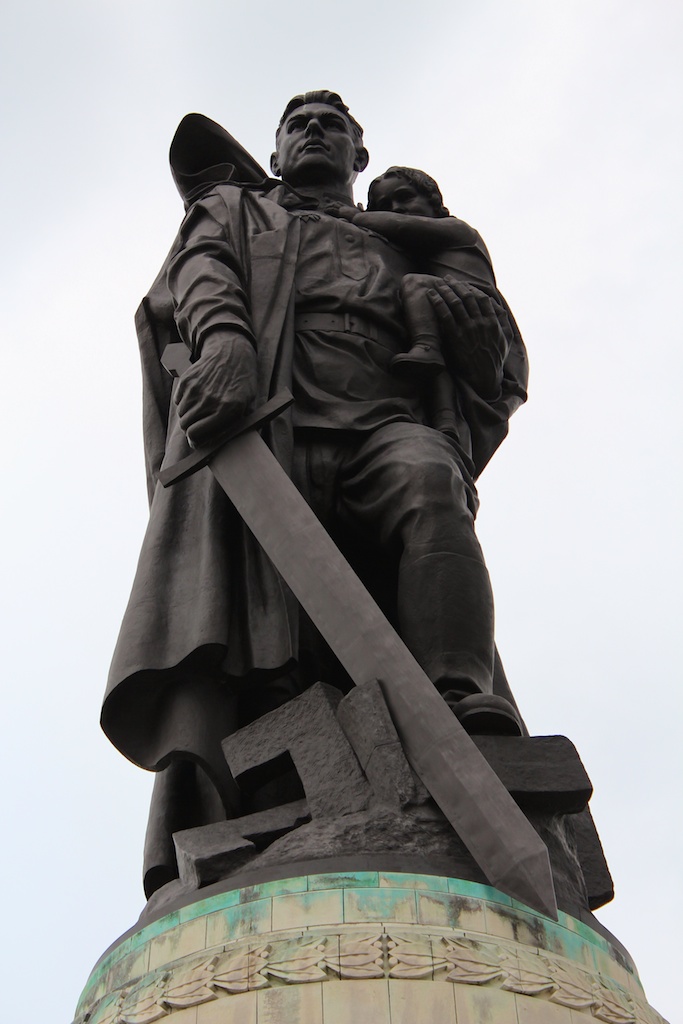
Watching over the graves and acting as the centrepiece of the entire memorial is a hugely imposing 12 metre statue upon a stone plinth….

IMG_2627 - Version 2

It depicts a Soviet soldier carrying a German child while cutting a swastika in half using a giant broadsword….

IMG_2629

As you climb the steps leading towards the statue, you begin to feel extremely insignificant in relation to the looming figure….

IMG_2632

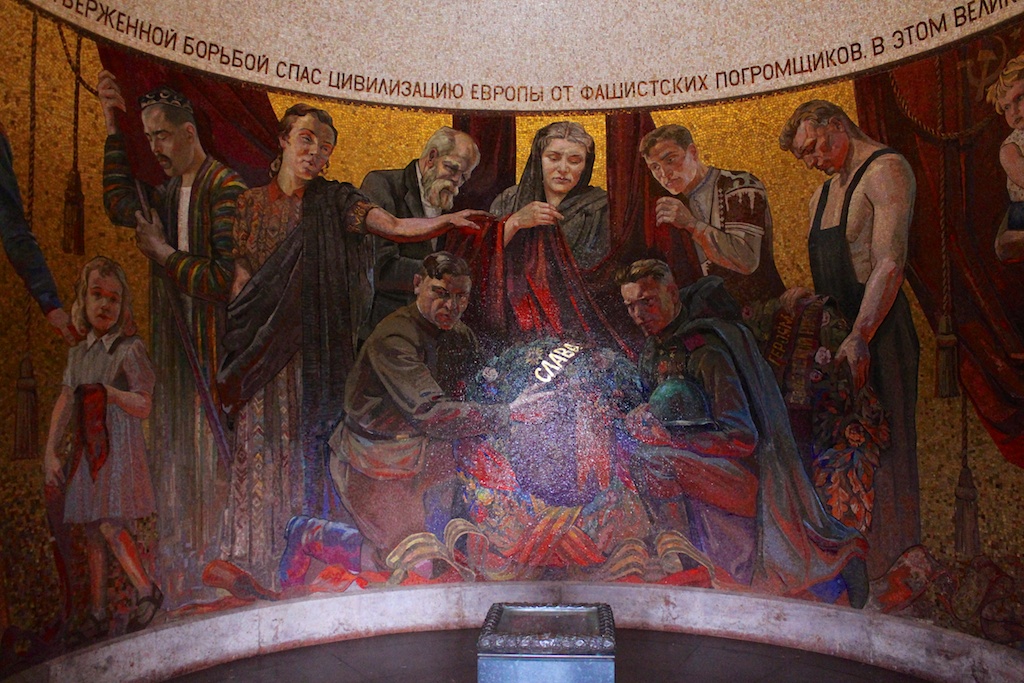
Inside the stone plinth is a circular room containing a mural of Soviet people….

IMG_2640

From the top of the plinth, the whole memorial can be seen….

IMG_2635

From here, the true scale of the memorial can be appreciated. The enormity of it is at times overwhelming which is likely the effect intended by the architect Yakov Belopolsky….

IMG_2634

As you spend time at the memorial, you begin to realise that the 5,000 soldiers buried underneath the manicured lawns aren’t the only ghosts that haunt the vast space. The spirit of a once mighty empire, now long dead, can also be felt as you walk around. The memorial was built at a time when the Soviet Union was on the rise and well on the way to becoming a world superpower. The grandiose architecture is evidence of this and demonstrates how important grand symbolism was in Soviet life. Today of course, the Soviet Union is no more and the Treptower Park Memorial serves as a reminder of the transitory nature of powerful empires.

On Risk Taking and Exploration

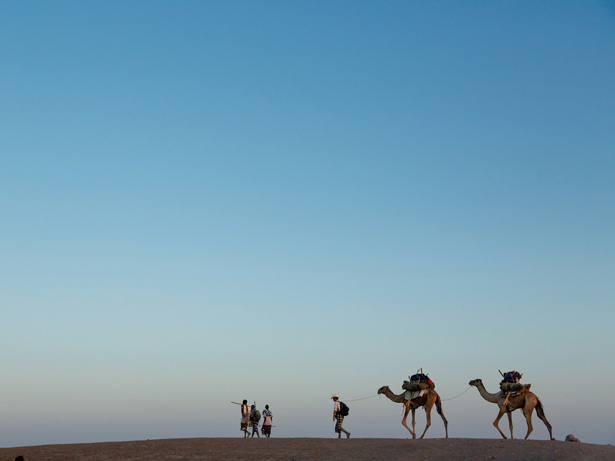
The June issue of National Geographic contains a feature on risk taking and why explorers are prepared to face dangers that most people wouldn’t. The last few paragraphs are about Paul Salopek’s latest project which involves walking over 22,000 miles from Ethiopia to the southern tip of Chile (one of the routes that early Human’s took on their migration out of Africa) over a period of seven years. I include below the last two paragraphs of the article:

From “The Mystery of Risk” – National Geographic, June 2013:

“The philosophy behind this walk is to get readers to focus less on the notion that the world is a dangerous place,” he says. “The world can kill you in a heartbeat, whether you stay at home or leave home.” Instead, he hopes “to get readers to think about the wider horizons, the wider possibilities in life, the trails taken and not taken, and be comfortable with uncertainty.”

Basically Salopek wants to remind people that at our innermost core we are all risk takers, if some more than others. And this shared willingness to explore our planet has bound our species from the very beginning.

Photograph by John Stanmeyer

Favourite Photos #5

Shanghai Tower Under Construction

2010 | Photographer Unknown

This photograph shows the concrete foundations of the Shanghai Tower being laid down back in 2010. When completed next year, it will be the second tallest building in the world. There are many things I love about this photograph including actually how much the photographer has managed to squeeze into the composition. My favourite thing about the photo however is the way all of the machines look as if they are thirsty animals drinking from an oasis.

Unfortunately I can’t find who the photographer is but if anybody reading this knows, please let me know.

The Good Guys #1: Nikola Tesla

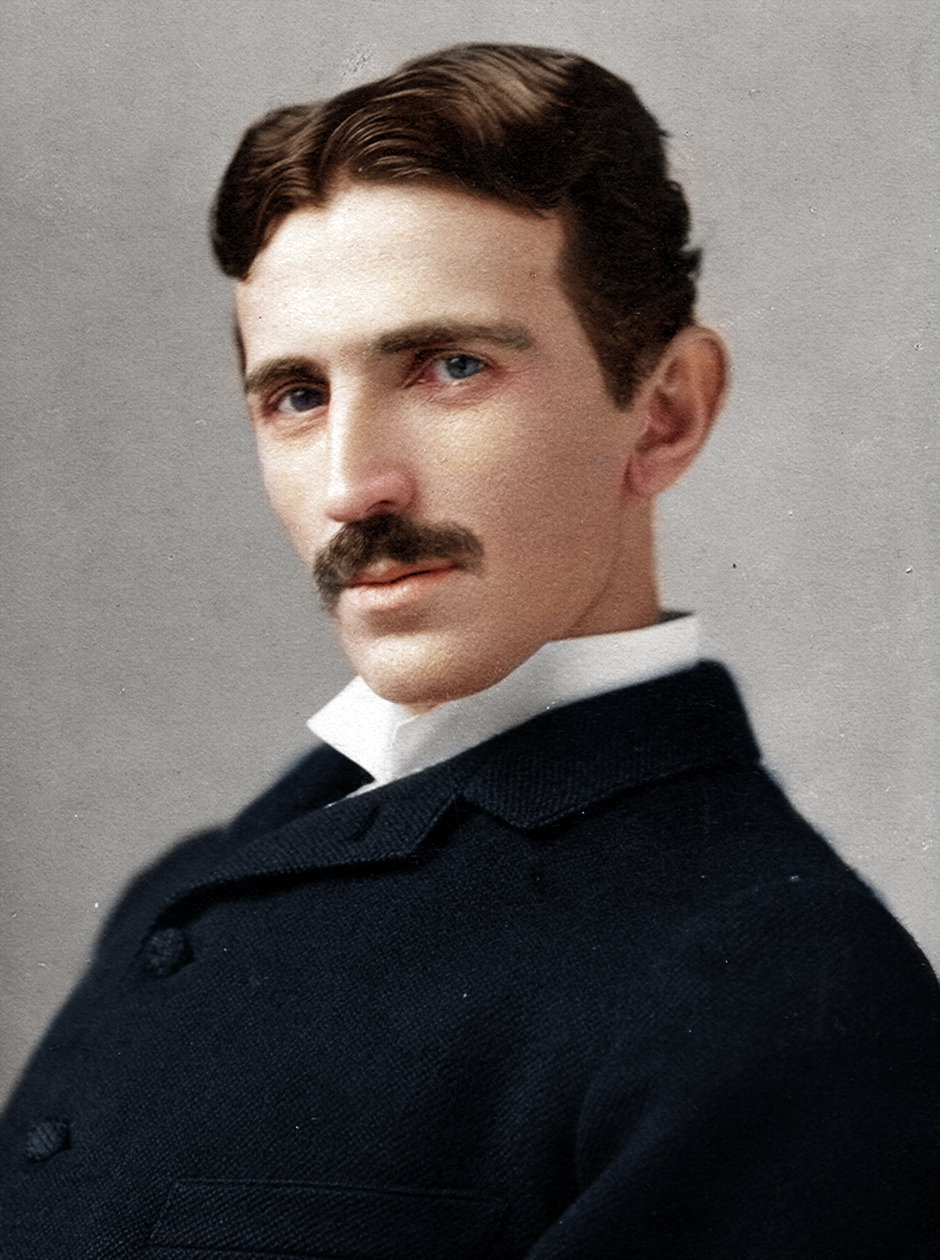
A colourised photograph of Nikola Tesla courtesy of Mads Madsen.

This is the first post in a new series which I was originally going to call Why …………… was a Genius. I decided against this due to the fact that the term “genius” is highly subjective and should probably be reserved for a higher calibre of person than some of the ones I plan to highlight in the series. Instead, I chose “The Good Guys”. These are individuals who have achieved great things and in my opinion, for whatever reason, have not received the full recognition they deserve. FIrst up, Nikola Tesla.

Nikola Tesla was without doubt one of the most extraordinary Human Beings to ever grace the Planet. Not only did he possess great skill in the fields of science and engineering but also had incredible mastery over the power of his mind which allowed him to achieve things that even today, 70 years after his death, have a sense of magic and sublimity about them.

Tesla spent much of his early life moving between different schools and colleges as his family relocated regularly. He often had trouble staying focused during his teenage years, likely due to the level of his intellect being much higher than that of his peers. This led to him losing interest half way through his technical degree in Graz, Austria and Tesla drifted into a period of gambling and confrontation. After gambling away all of his savings and tuition money, Tesla dropped out of university and spent the next five years travelling around Europe, mainly to escape his family and the life he had created up until that point. During this time Tesla worked as a draftsman in the city of Maribor, taught for a period at his old high school, attended lectures at the most prestigious university in Prague and worked as a telephone electrician in Budapest. Finally in 1882, Tesla ended up in Paris working in the French office of Thomas Edison’s company. It was while working here that he decided to head to America where he was offered a job working for Edison himself. He soon quit however when Edison refused to pay out a large sum of money he had promised Tesla.

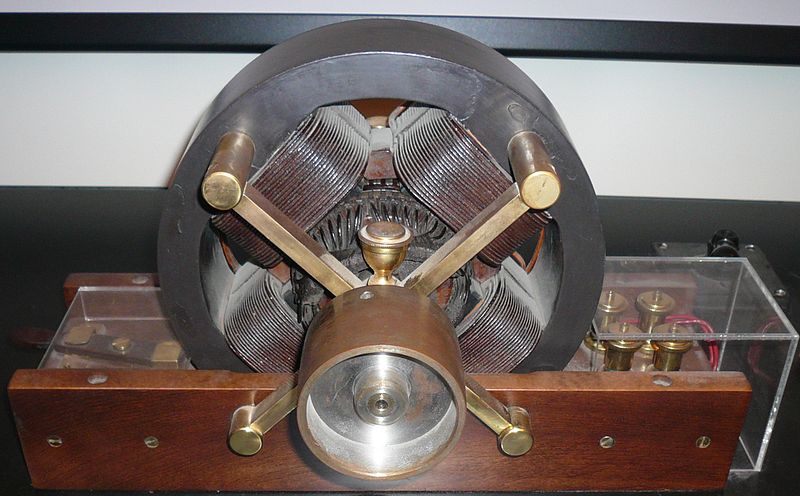
In 1886, free from the shackles of working for Edison, Tesla set up his own company with a view to developing and implementing radical ideas he had developed on the generation and transmission of AC electrical current but his investors would not give him the money to do so and eventually he was forced out of his own company. At this point, Tesla again found himself with no money and was forced to do hard labour in order to survive. Fortunately, after a few months he managed to convince two extremely wealthy New York businessmen to fund his research and set about constructing a purpose-built laboratory. A little over a year later Tesla had managed to create working prototypes of his famous AC induction motor and promptly sold the patents he had been granted to George Westinghouse for $60,000 plus a handsome royalty on all power generated using the motor. Tesla’s contributions to AC power generation and transmission, including the invention of the AC induction motor, are what made him famous and are arguably the most important of his career. Without his insight, many technologies that we take for granted today may not have ever existed.

A model of Nikola Tesla's groundbreaking AC induction motor.
A model of Nikola Tesla’s groundbreaking AC induction motor.

The money gained from the sale of his AC patents allowed Tesla to conduct research in a wide variety of areas over the next ten years. He constructed two more labs in Manhattan and began to dedicate all of his time to researching the things that interested him most. During this period Tesla experimented with X-Ray’s and became the first person in America to produce an X-Ray image. He also demonstrated that it was possible to transmit information using Radio Waves which at the time was nothing short of revolutionary. It was around this time that Tesla began to play with the idea of wireless power transmission.

By 1897 George Westinghouse was practically bankrupt from the AC royalties that he had promised Tesla for every Horsepower of energy produced. He therefore managed to convince Tesla to give up his royalties in exchange for a lump sum payment of $216,000. This was an incredible sum of money at the time but was still a pittance compared to the alternative of having AC royalties coming in for the rest of his life. If Tesla had kept his royalties, it’s strongly believed that he would have become the world’s first billionaire well before John D. Rockefeller in 1916.

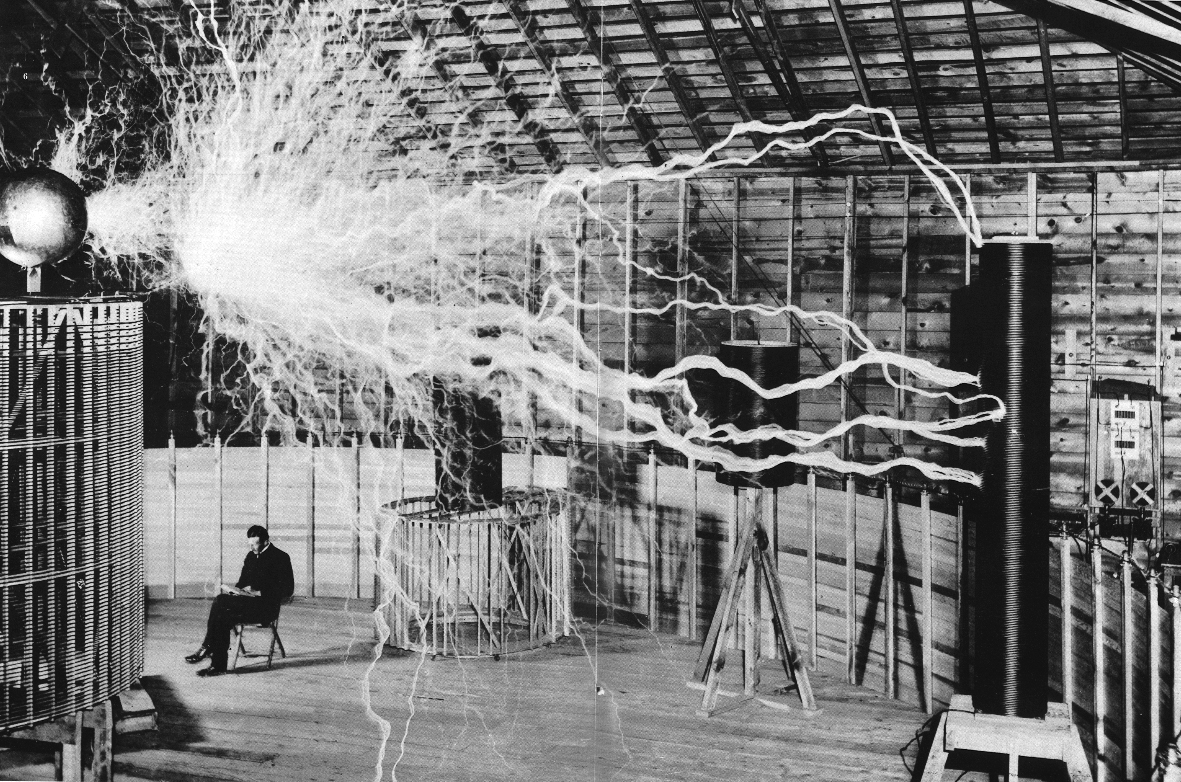
In 1899 Tesla outgrew his Manhattan labs and used the $216,000 from George Westinghouse as well as a $100,000 investment from John Jacob Astor IV to move some of his equipment to Colorado Springs and continue his groundbreaking work on the transmission of wireless power. While there, Tesla conducted experiments using immense amounts of energy which resulted in artificial lightening discharges 135 feet long and electricity conducted through objects 100’s of feet from his lab.

This picture
A double exposure photograph taken in Tesla’s Colorado Springs laboratory showing the discharge from a Tesla Coil.

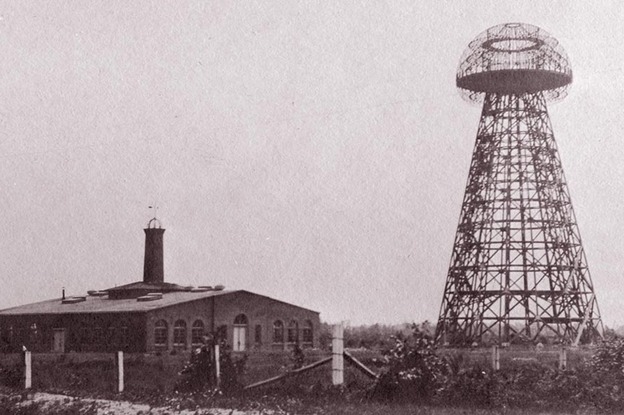
After terrifying the people of Colorado Springs for eight months, Tesla devised even grander plans for a giant trans-atlantic wireless telecommunications facility on Long Island. By 1904, he had built the 187 foot Wardenclyffe Tower, designed to not only send wireless messages across the Atlantic Ocean to Europe but also, Tesla claimed, to transmit wireless electrical power around the world, eventually allowing free access to electricity from anywhere on the planet. Unfortunately, after Marconi successfully transmitted a radio signal across the Atlantic at the end of 1901 and Tesla gradually lost all of his financial backers, he was forced to stop his groundbreaking research at Wardenclyffe having never fully realised his plans.

Tesla spent the remainder of his life trying to secure funding to continue his research but mainly proved unsuccessful due to the extreme economic uncertainty resulting from two world wars and a global financial depression. Tesla sadly died alone and impoverished on the 7th January 1943 in the New York hotel room in which he had been living for years.

It is impossible to overestimate the influence that Nicola Tesla’s ideas and engineering had on the world at the turn of the last century. He laid the foundations for some of the things that we simply take for granted today such as radar (without which the allies may well not have won WWII), x-ray imaging and what we know today as “radio”. Most important of all however was his contribution to AC electrical power generation, without which the free flow of electricity that the world enjoys today may not have ever been possible.

Wardenclyffe Tower
Wardenclyffe Tower

During the latter part of his life, Tesla repeatedly raised the idea of building a “death ray” which he claimed would be able to “bring down a fleet of 10,000 enemy war planes at a distance of 200 miles” and he hoped would therefore bring about world peace by means of mutually assured destruction. In the end, no government would entertain the idea and so because Tesla kept the blueprints to all of his inventions inside his mind, he took the plans for the “death ray” to his grave.

It is unclear how exactly the weapon would have worked, but the few written records that survive describe it as a device that fires a narrow beam of small tungsten pellets using electrostatic repulsion. This would provide a steady stream of particles containing huge amounts of energy that could easily be directed toward a range of targets. It is easy to label the idea of a “death ray” as morally reprehensible but one should first think about the time period in which it was being talked about, the 1930’s, and then consider whether a weapon of that power, in the hands of the “allies”, would maybe have deterred Germany from taking the aggressive path it eventually took. Therefore, one could argue that if an allied government had listened to Tesla, WWII could possibly have been avoided altogether.

Tesla’s mind and the way that it worked was truly extraordinary. He was known to have a photographic memory which enabled him to memorise the contents of complete books which no doubt helped him on his way to becoming fluent in eight languages including English, French, German and Latin. He was also able to visualise huge amounts of detail at one time entirely inside his mind. This meant that he always “built” a new invention inside his mind, visualising every single component separately, before actually commencing construction.

Tesla also occasionally experienced blinding flashes of light in front of his eyes which he said would then lead to visions of new ideas or solutions to complex mathematical and physical problems. He claimed that some of his best inventions and discoveries came to him this way.

Nikola Tesla was without doubt one of the most extraordinary people of the 20th century. Possessing great talent and ability, but more importantly using that ability to push the boundaries of what was thought possible in order to make the world a better place to live. He remained however, despite or perhaps even because of his world-changing discoveries, a deeply troubled individual, eventually dying with no money and few friends in a small New York hotel room. Tesla certainly didn’t receive the true gratitude he deserved while he was still alive, but I would argue that even to this day, Nikola Tesla is still not recognised as the true genius that he undoubtedly was.