Grand Relics of the Soviet Union – Part 2

The second Soviet monument I stumbled across on my recent trip to Germany was at the Buchenwald Concentration Camp near Weimar. It was constructed by the Soviet Union in 1958 to commemorate the estimated 56,545 people who died at the camp during the Holocaust.

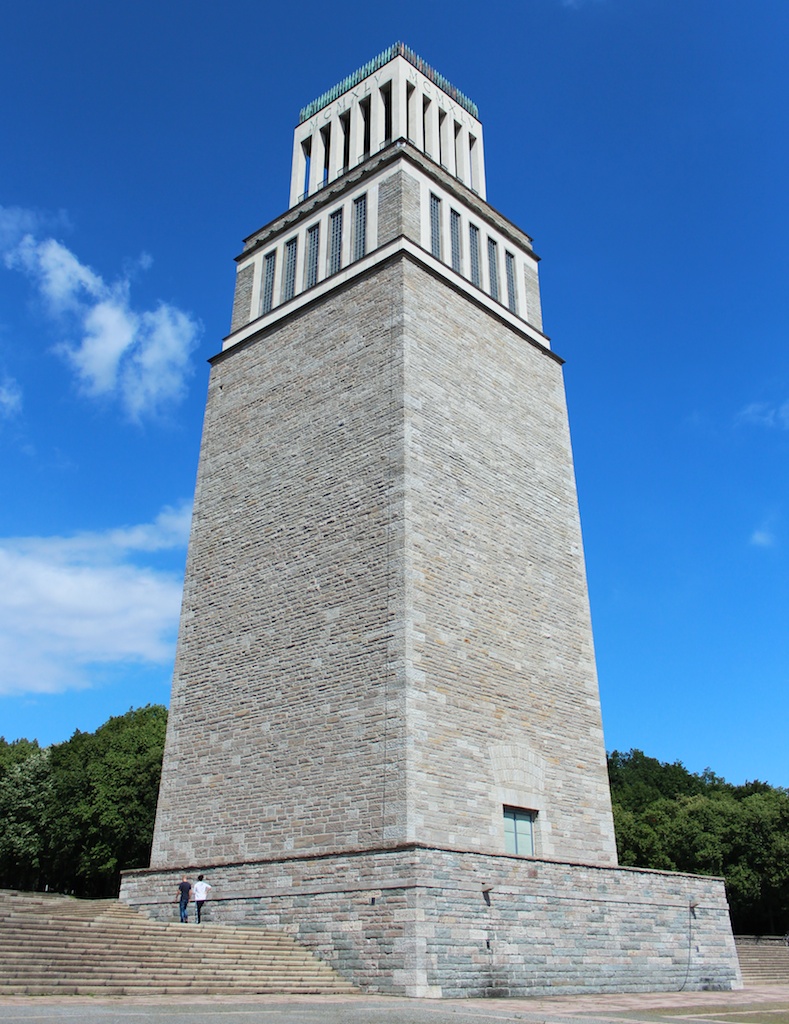
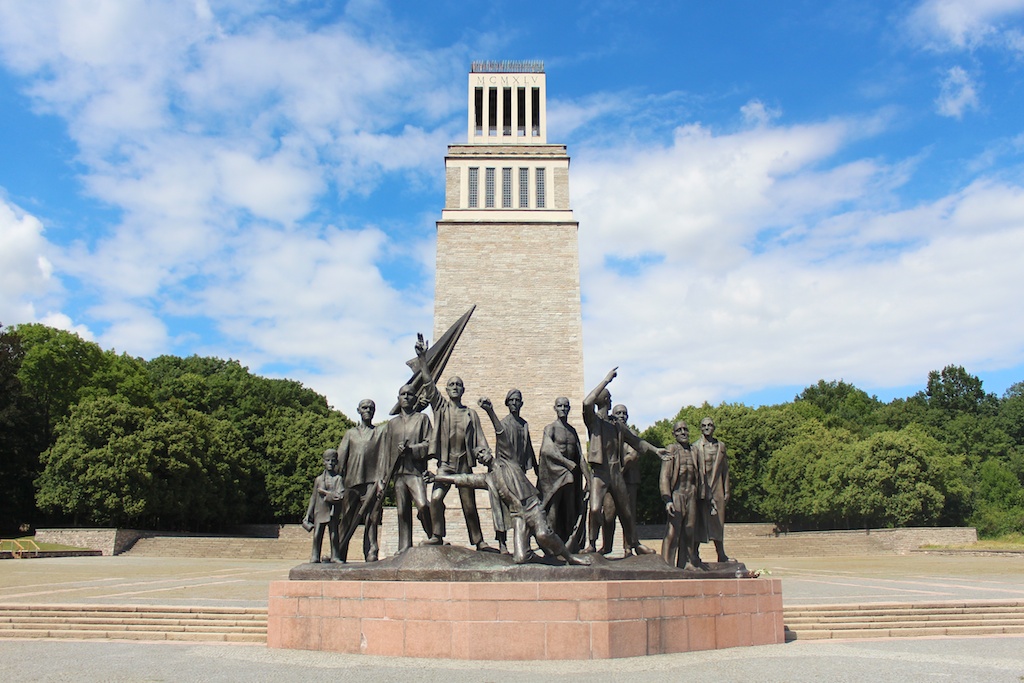
As you approach the memorial site, emerging from the trees, it is impossible to ignore the enormous stone tower which stands as the centrepiece of the whole memorial….
IMG_2458 - Version 4

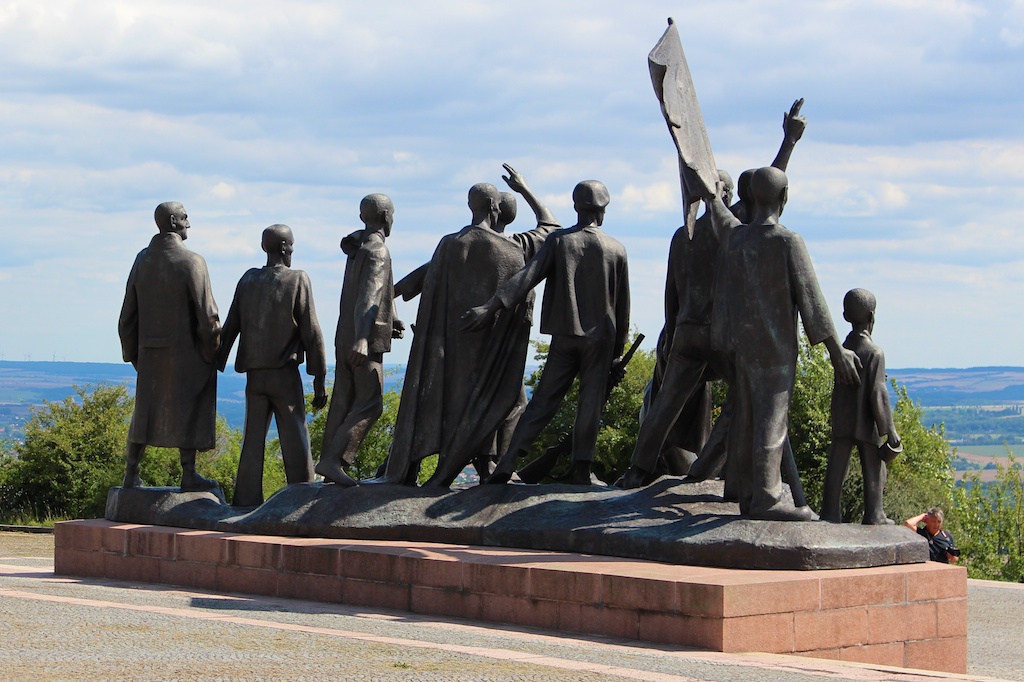
The entire memorial is built on the southern slope of the Ettersberg mountain near Weimar and just in front of the stone tower is a collection of figures looking out at the spectacular vista….
IMG_2459 - Version 3

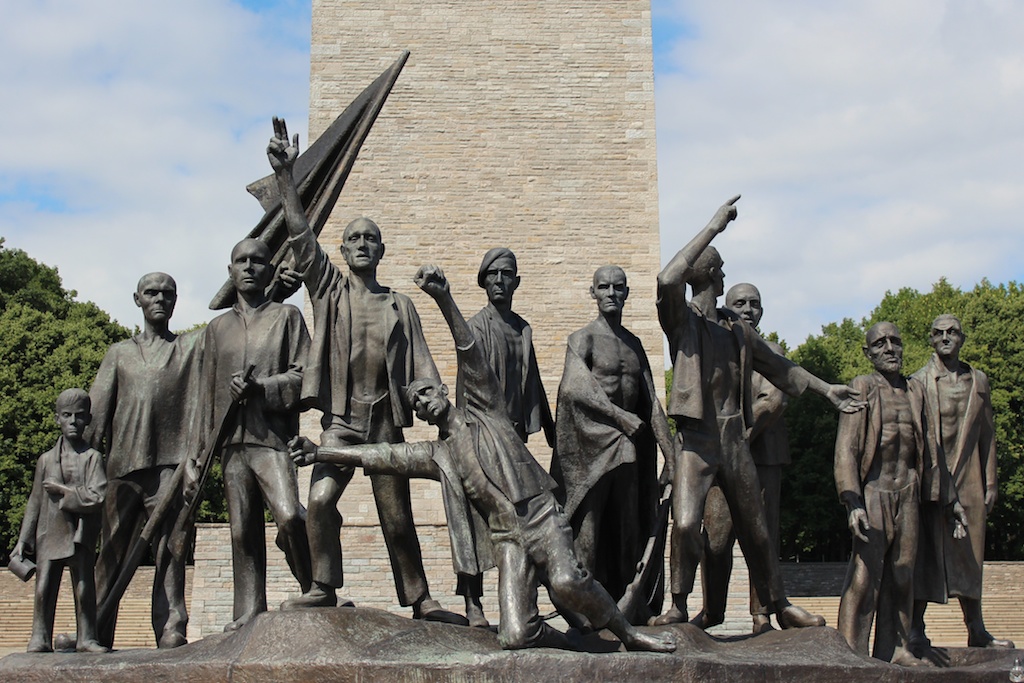
The sculpture depicts emaciated prisoners as they are liberated from the camp in 1945….
IMG_2464 - Version 3

They help to give a human face to the memorial and remind you exactly what it was built to remember….
IMG_2463 - Version 2

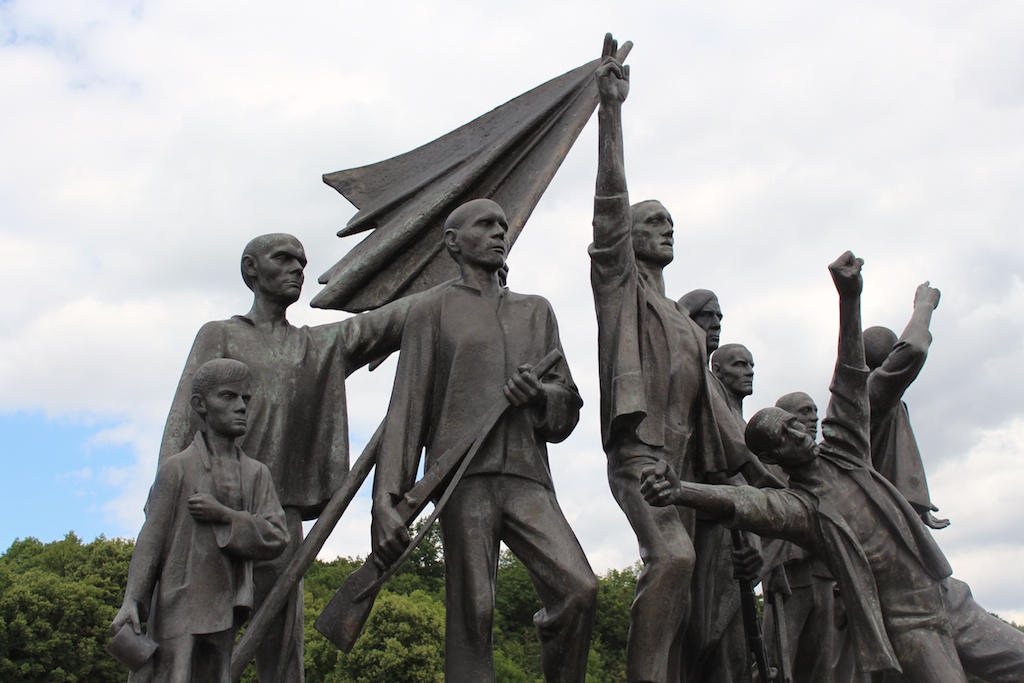
The sculpture was designed by Fritz Cremer and the detailed figures represent resistance fighters inside the camp at the moment of their liberation….
IMG_2487 - Version 2

As you look down the steps to the next portion of the memorial, you begin to realise the immensity of the whole thing….
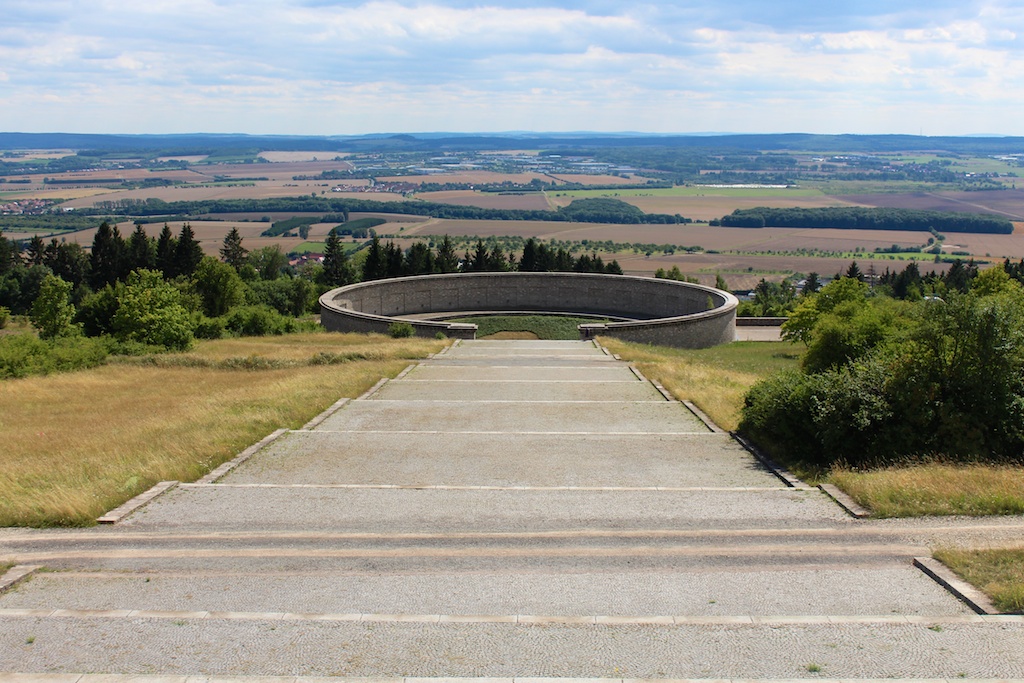
IMG_2462 - Version 3

Being built on the side of a mountain means that it has a fantastic view of the surrounding countryside and the city of Weimar….
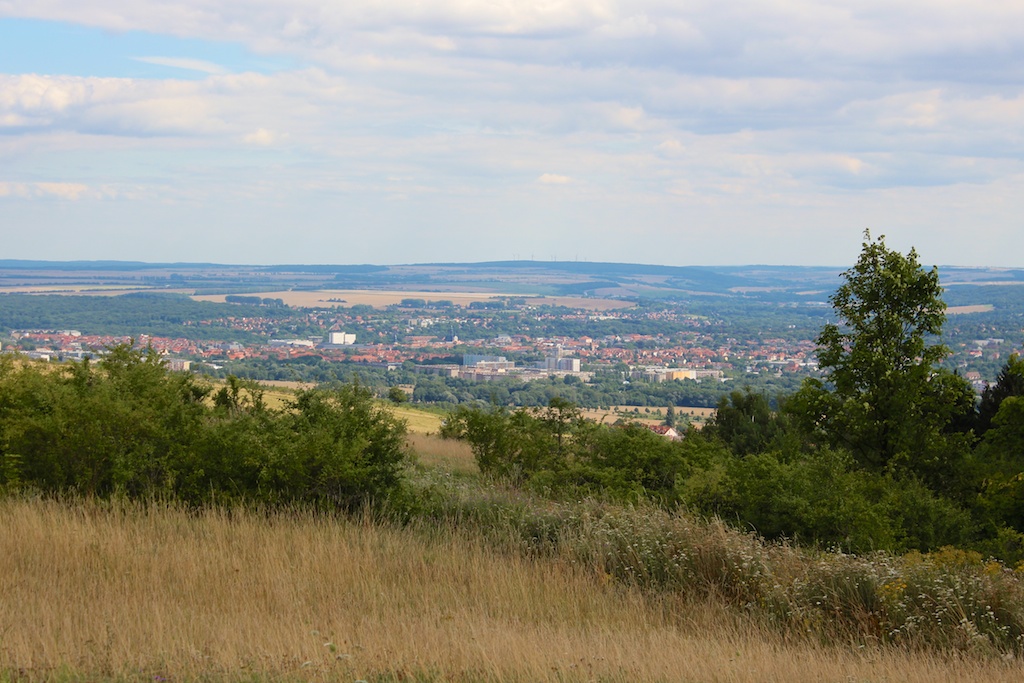
IMG_2468 - Version 2

At the bottom of the huge set of steps is the first of three circular areas that are constructed around natural depressions in the ground. These depressions are where the SS dumped the ashes of people they had cremated in the camp between the end of 1944 and March 1945….
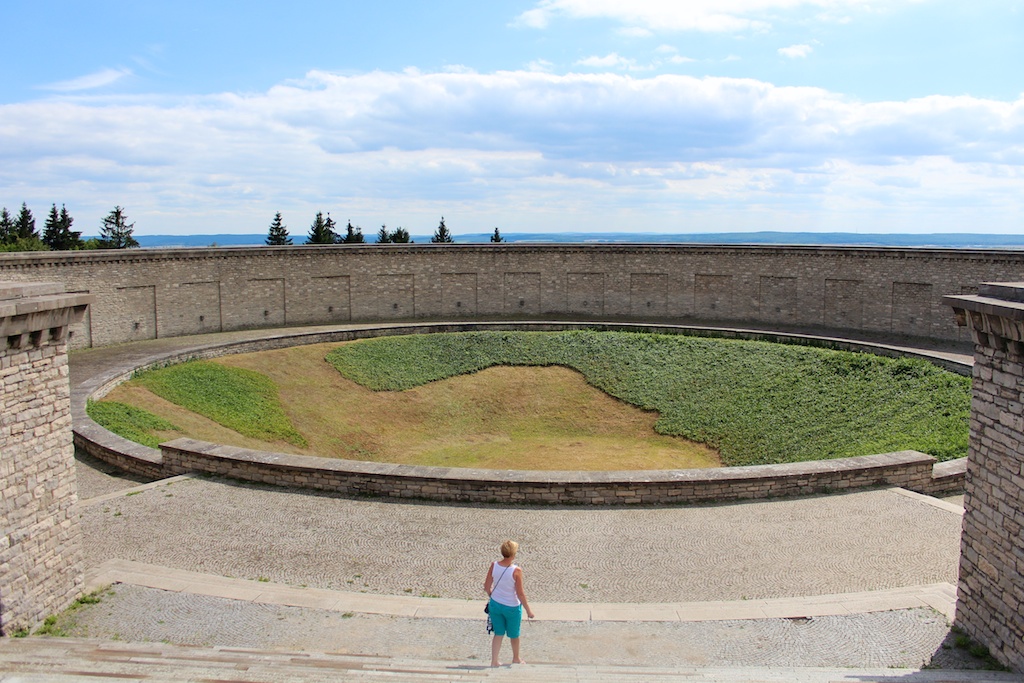
IMG_2469 - Version 2

From here, a large paved area joins the remaining two natural depressions in a giant arc lined with plinths. Each plinth is dedicated to one of the countries that the Buchenwald prisoners originated from….
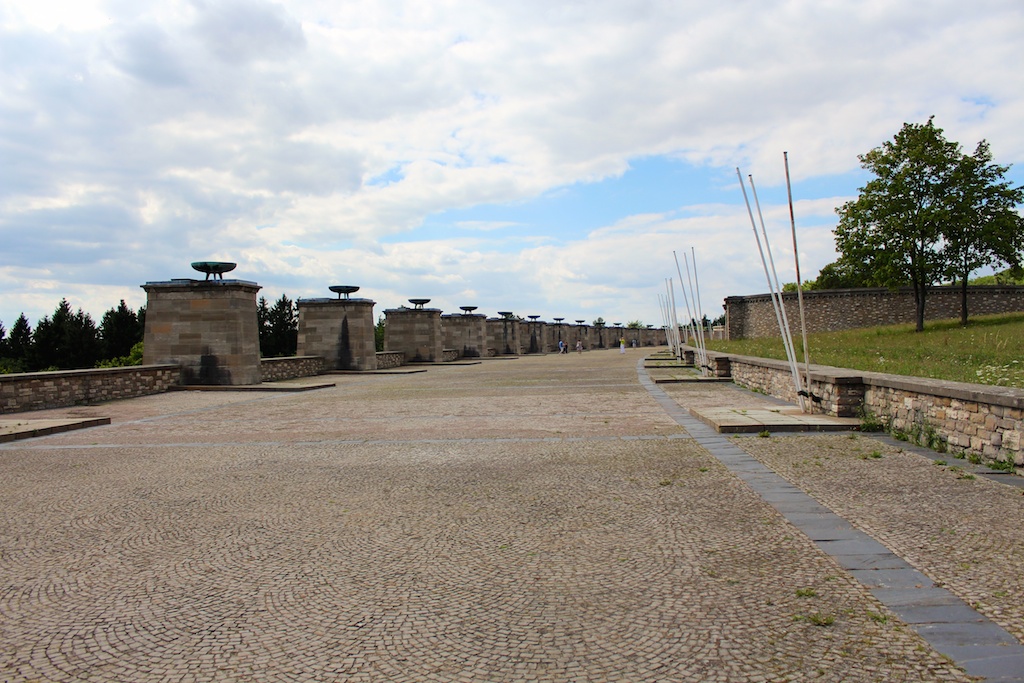
IMG_2479 - Version 2

The size of the whole site is quite remarkable and must have taken a considerable amount of planning by the Soviet Union….
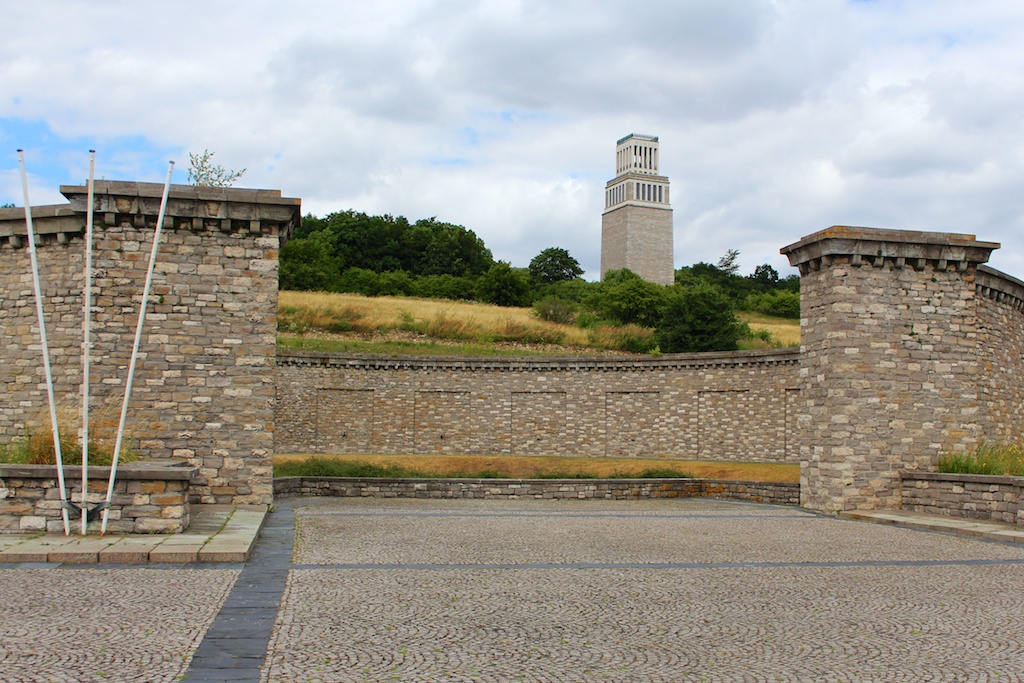
IMG_2484 - Version 3

The stone tower that forms the centrepiece of the memorial can be seen from the city of Weimar over six kilometres away….
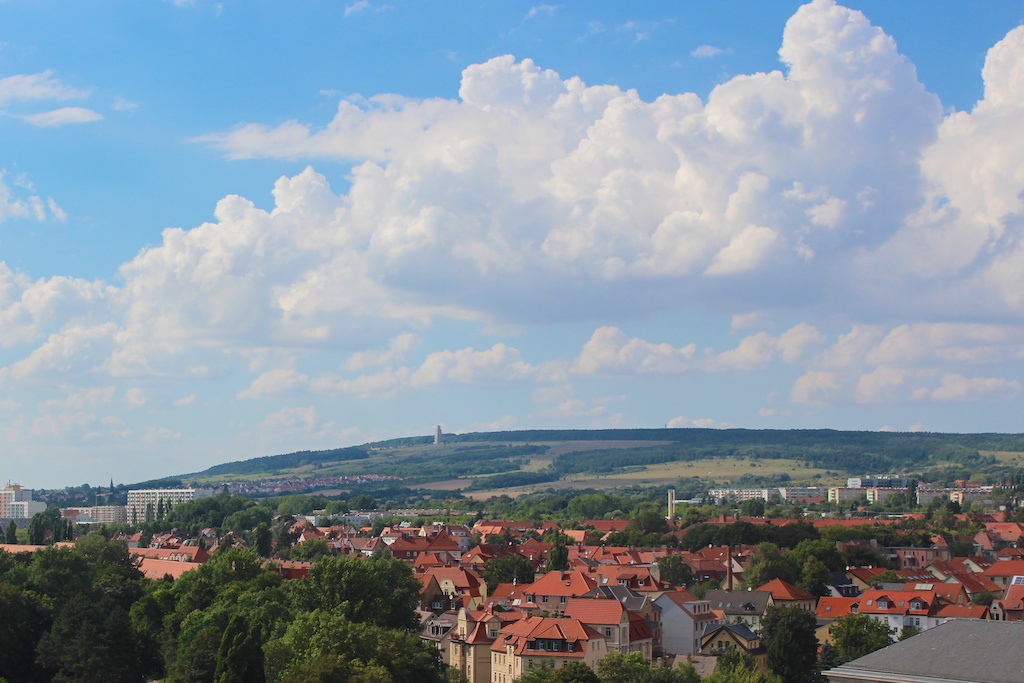
IMG_2211 - Version 2

There is no denying that Soviet memorials were built on a vast scale. Whether this extravagance is justified is questionable but it’s worth remembering in this case that Buchenwald Concentration Camp witnessed the massacre of over 50,000 people. Therefore, any memorial which reminds people of this horrific period in history is in my view extremely important, regardless of it’s size or grandiosity.
Grand Relics of the Soviet Union – Part 1

While in Germany recently, I stumbled upon not one but two enormous monuments erected by the Soviet Union to commemorate the huge loss of life in two different aspects of the Second World War.

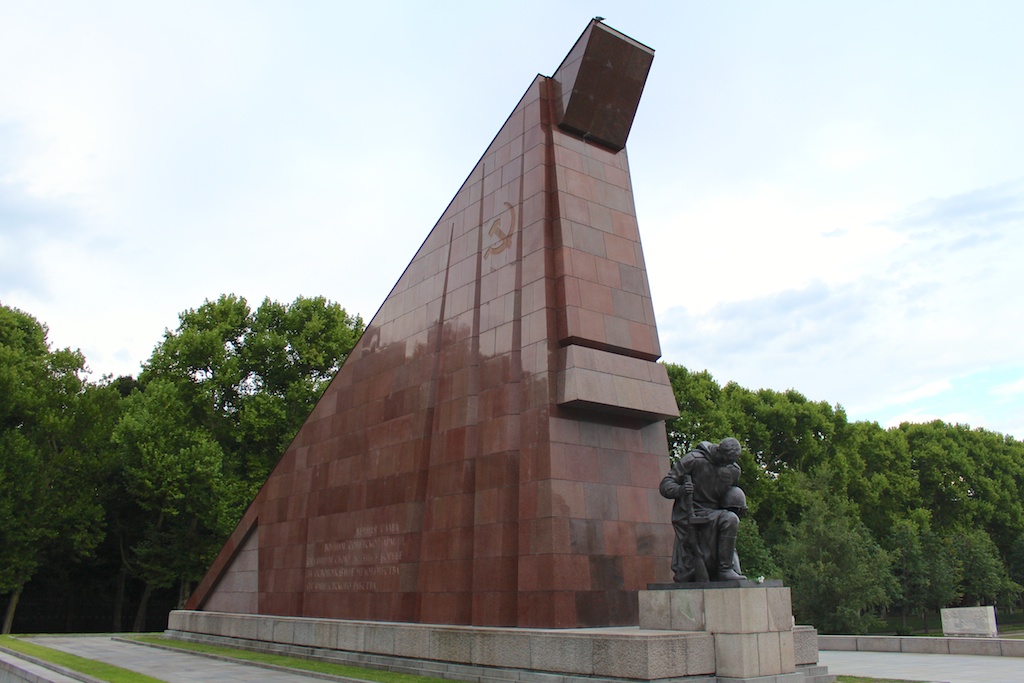
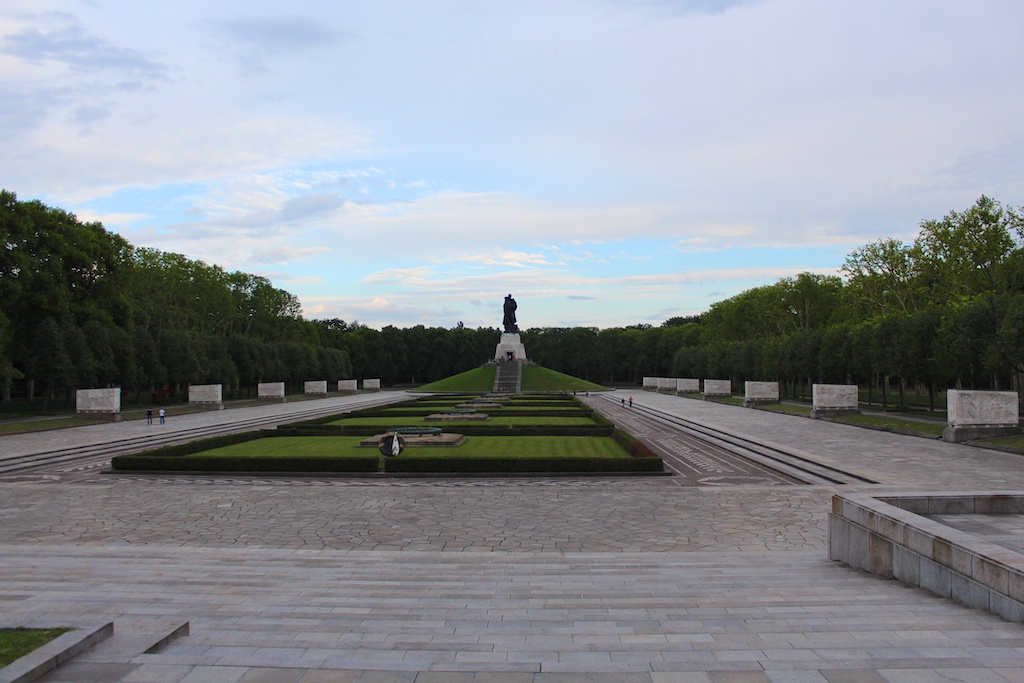
The first was nestled away inside Treptower Park in Berlin. It was constructed in 1949 to remember the 80,000 Soviet lives lost during the Battle of Berlin four years earlier.

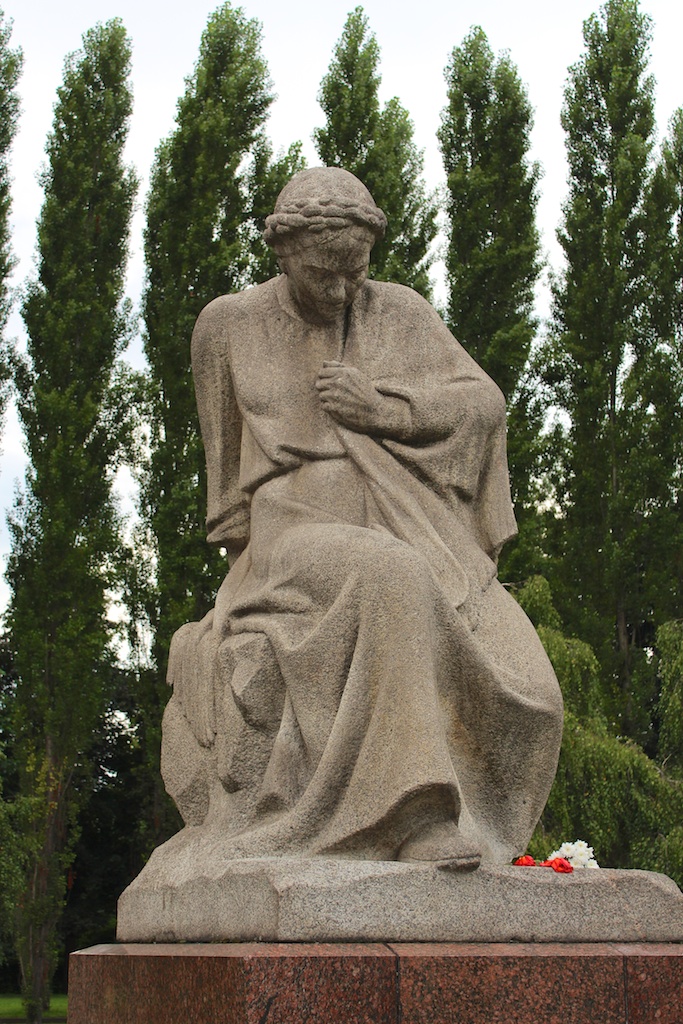
When you first walk into the memorial, all you can see in front of you is a hunched figure on top a plinth surrounded by trees. As you draw nearer, it becomes clear that what you are looking at is a female who it turns out is “the Motherland weeping at the loss of her sons”….

IMG_2600

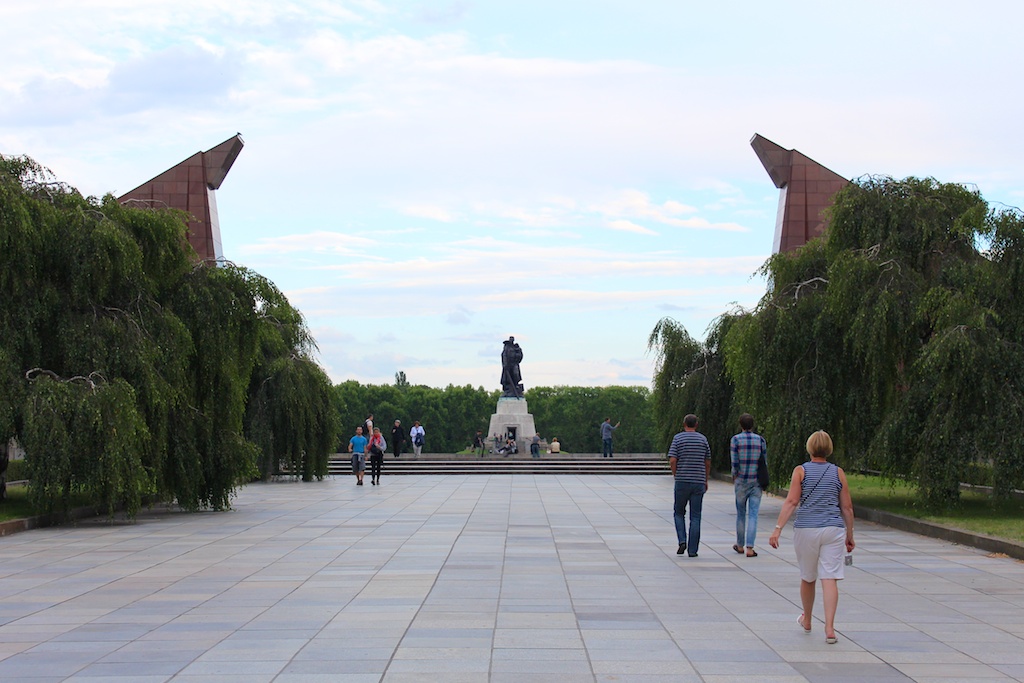
As you turn to the left, it is now possible to see the rest of the enormous memorial directly in front of “the Motherland”….

IMG_2605

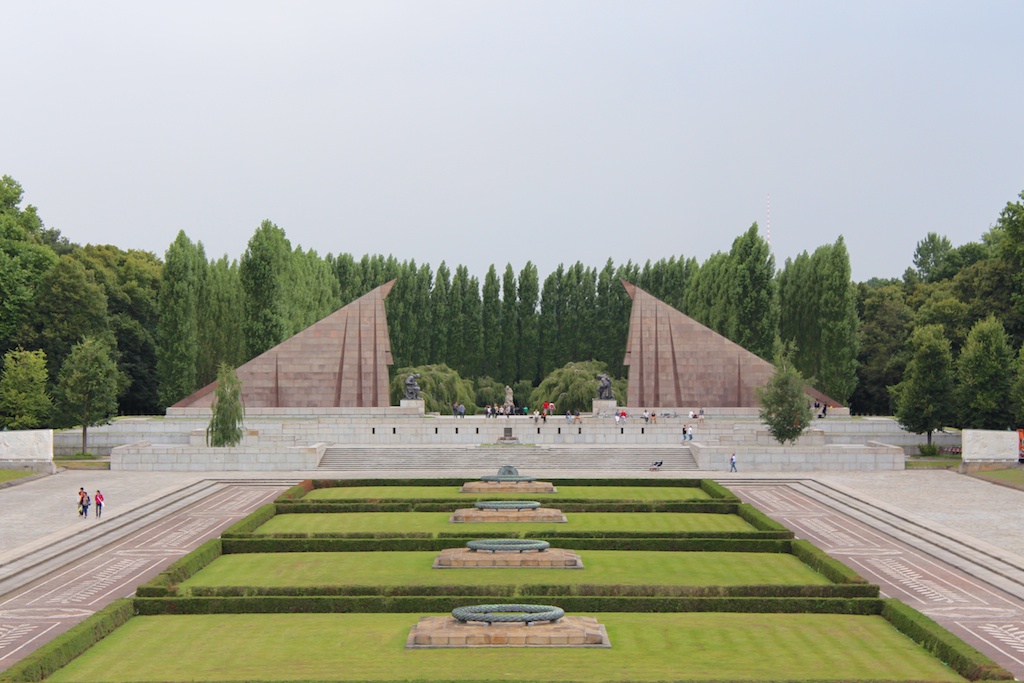
Two huge triangular towers form a gateway into the main part of the memorial. The red granite was allegedly taken from the ruins of Hitler’s Reich Chancellory 4 miles away….

IMG_2607

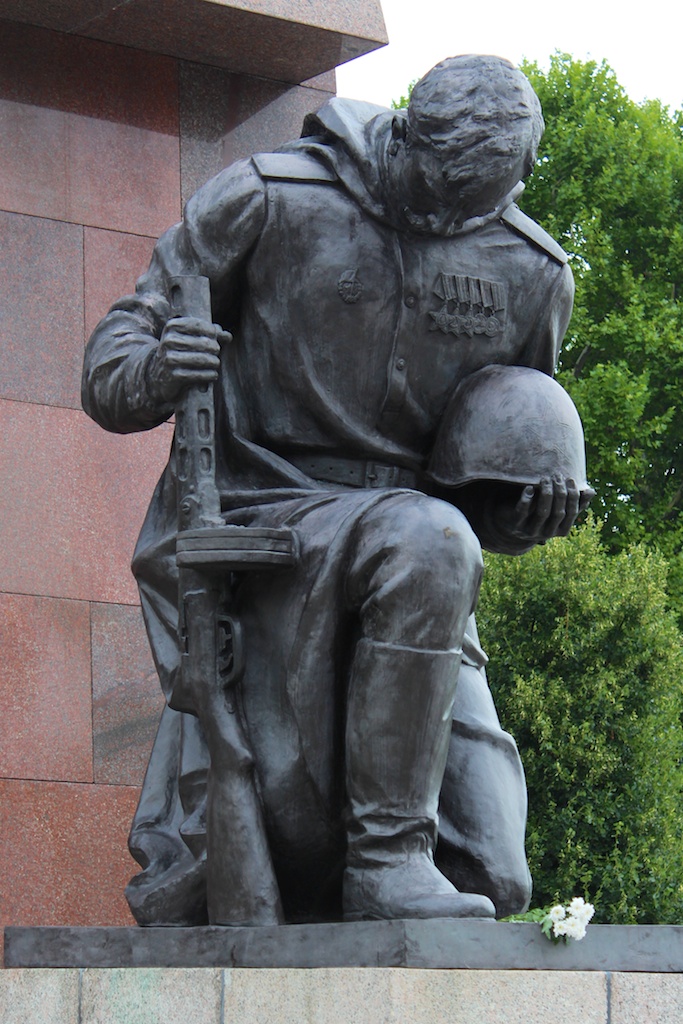
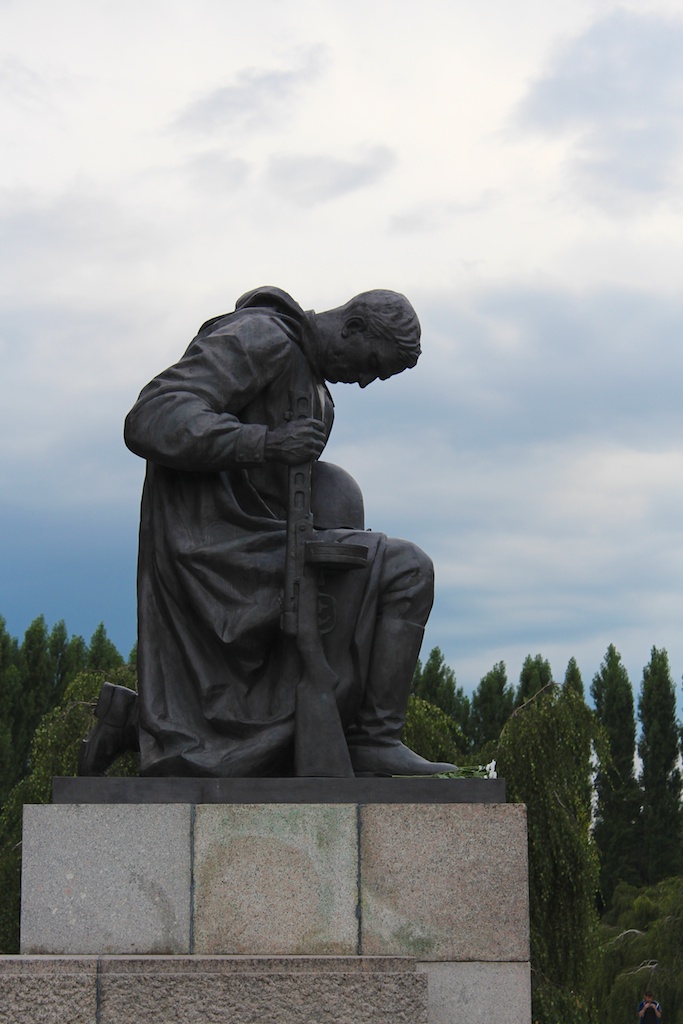
At the foot of each tower is a Soviet soldier kneeling to those who pass….

IMG_2610 - Version 2

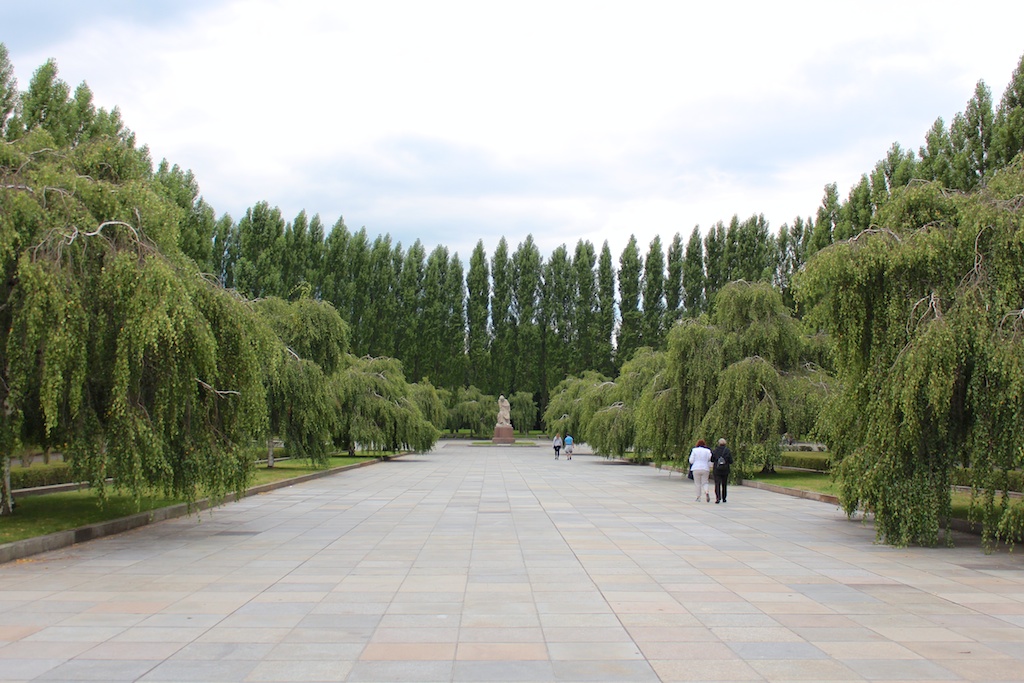
Turning back to look in the direction that you came, “the Motherland” is now a small figure in the distance shielded by trees….

IMG_2606

Walking on through the gateway, past the two kneeling soldiers….

IMG_2615

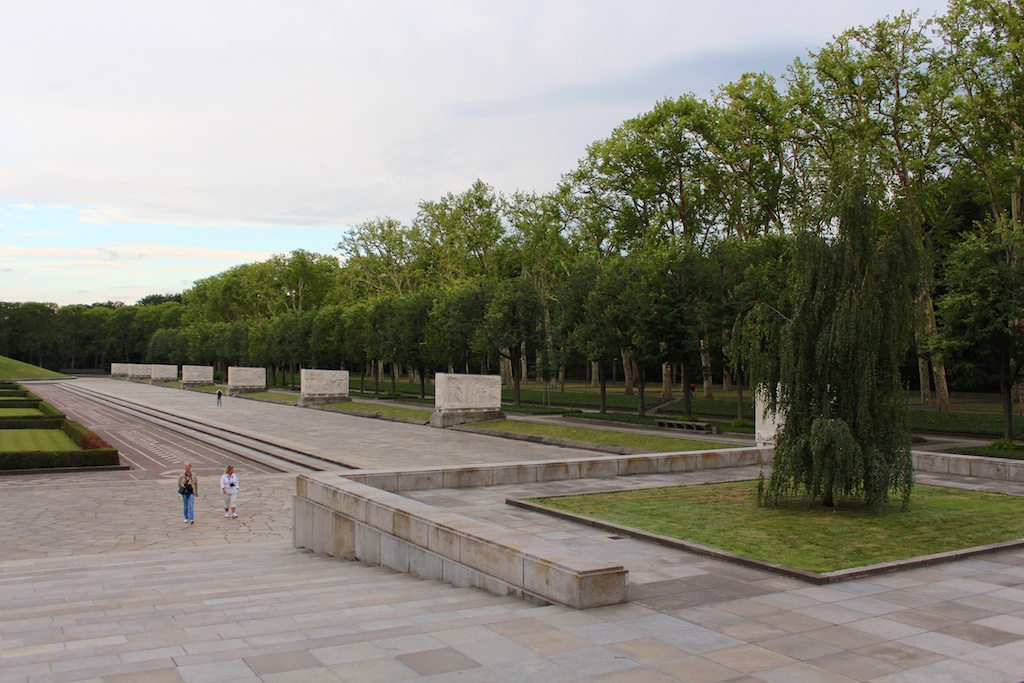
You enter the vast central area of the memorial. Here, over 5,000 Soviet soldiers are buried in mass graves….

IMG_2613

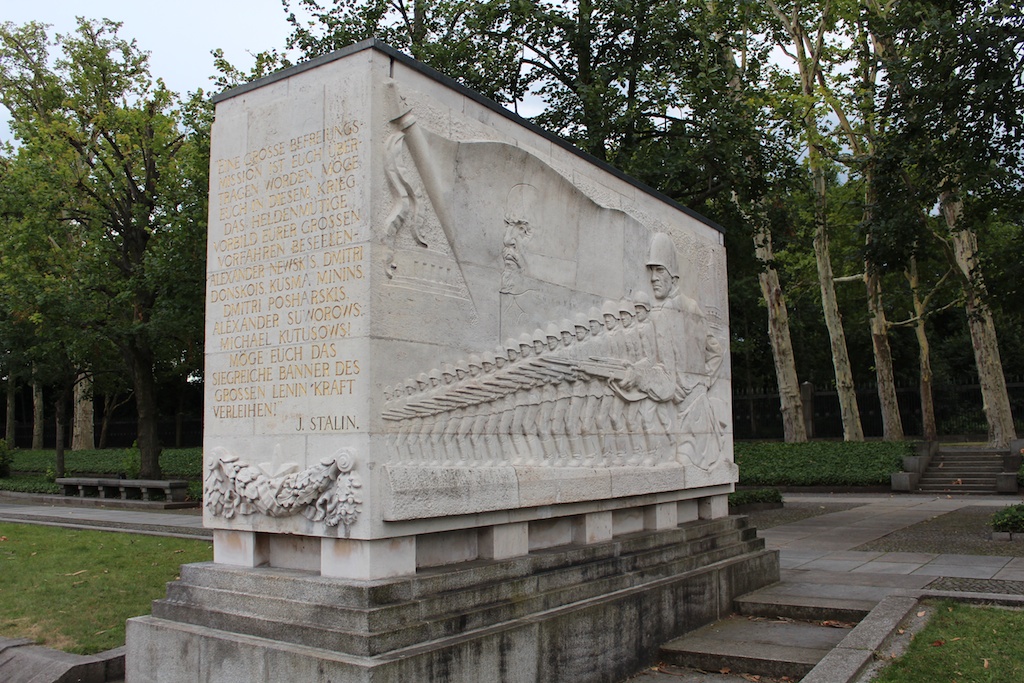
Surrounding the graves are sixteen stone sarcophagi….

IMG_2618

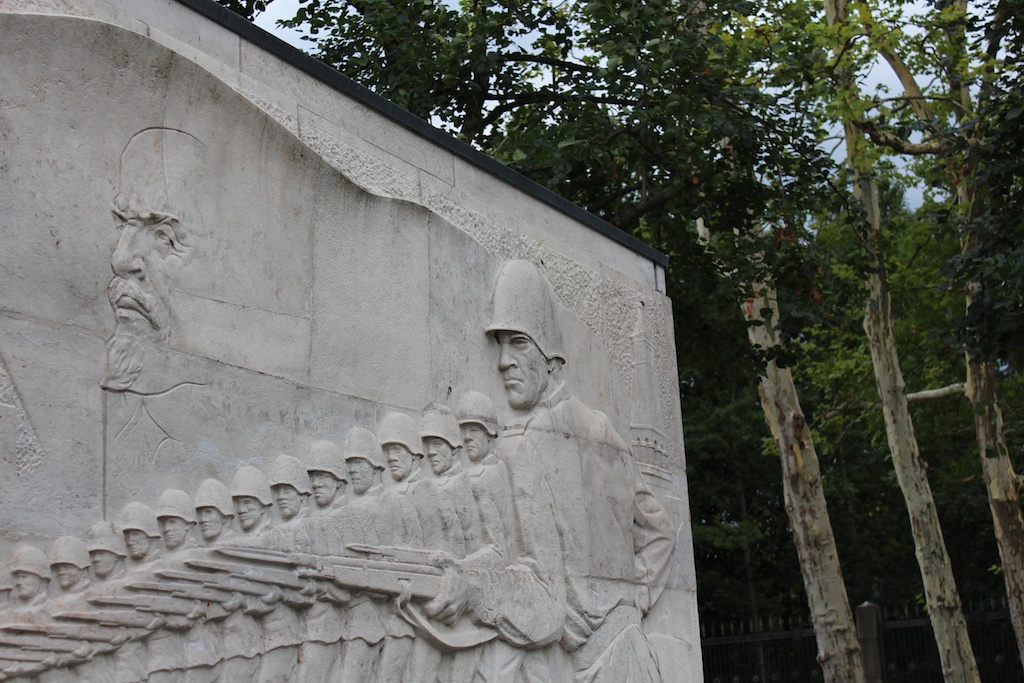
Each with detailed carvings of military scenes and quotes from Joseph Stalin….

IMG_2622

This particular sarcophagus shows Soviet soldiers charging into battle below the ghost of Vladimir Lenin….

IMG_2623

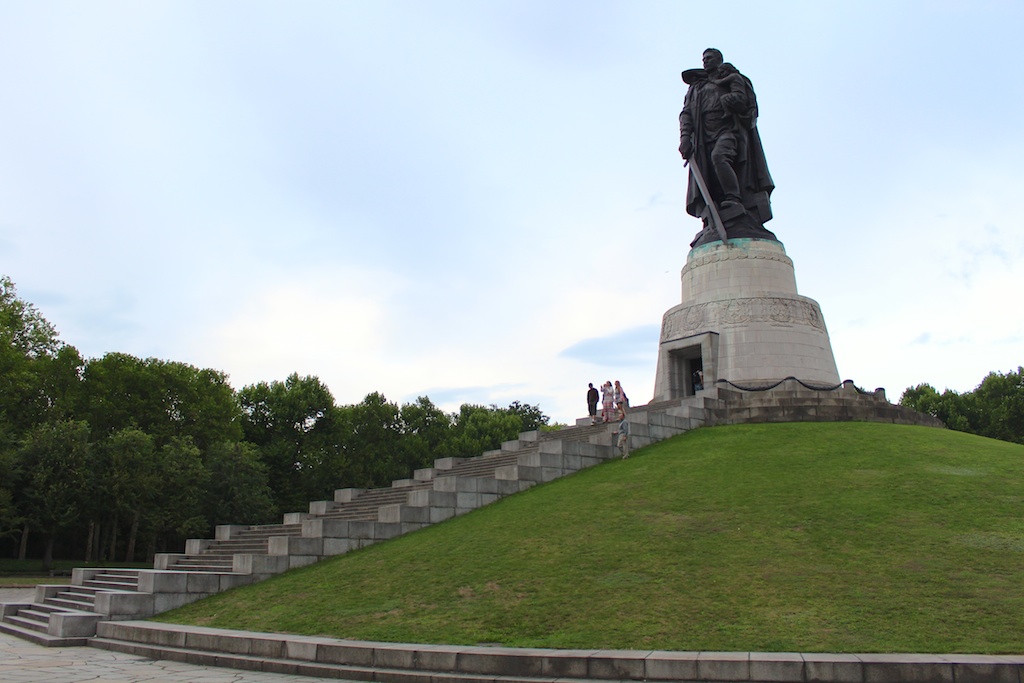
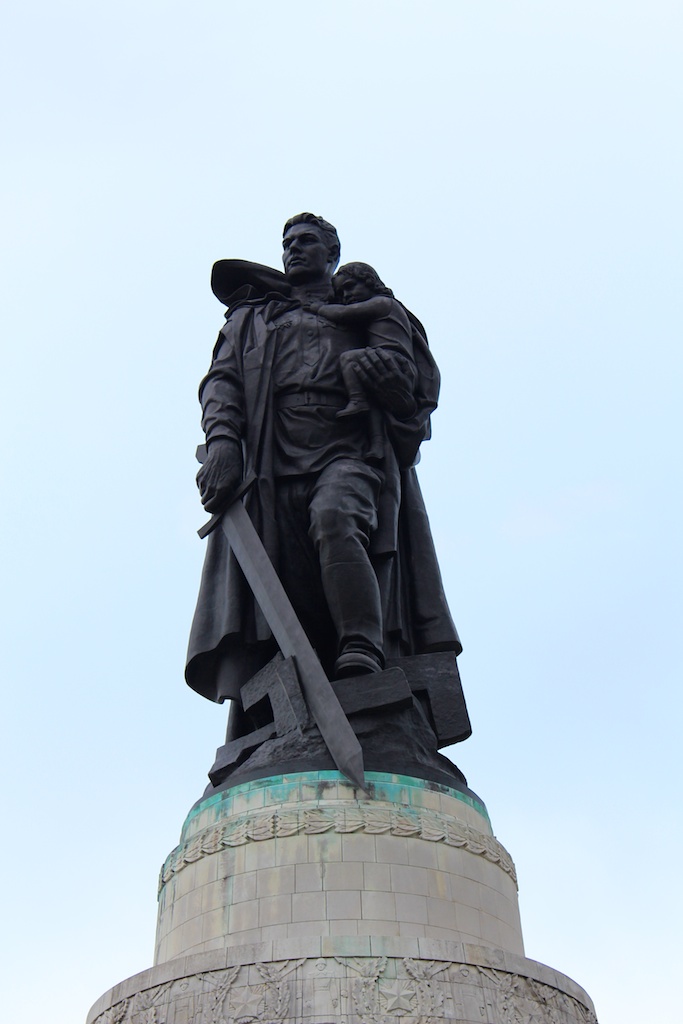
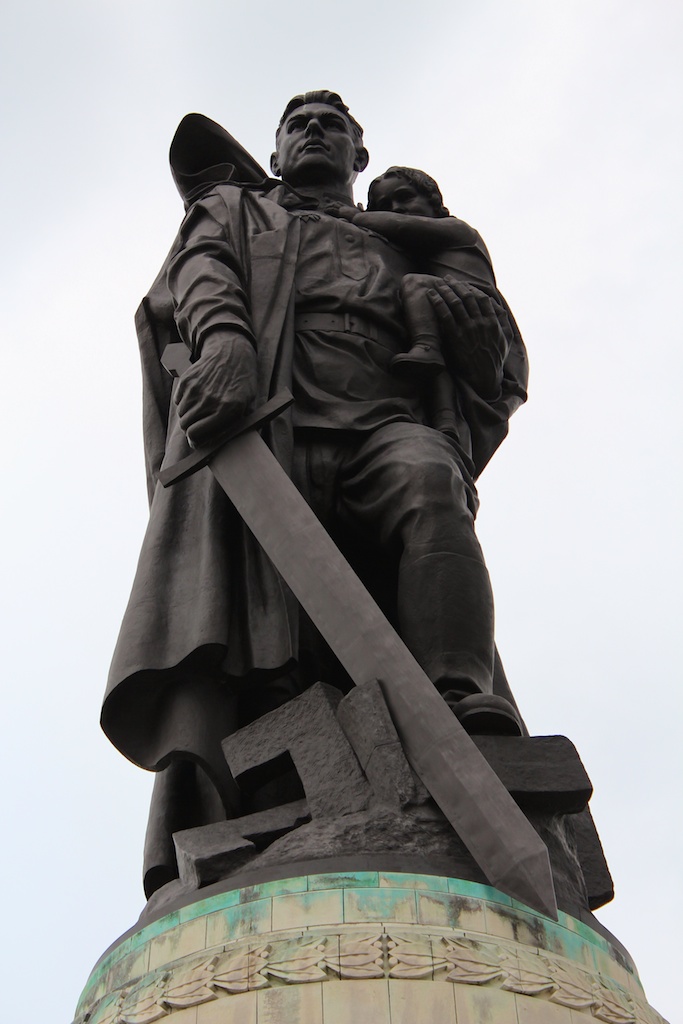
Watching over the graves and acting as the centrepiece of the entire memorial is a hugely imposing 12 metre statue upon a stone plinth….

IMG_2627 - Version 2

It depicts a Soviet soldier carrying a German child while cutting a swastika in half using a giant broadsword….

IMG_2629

As you climb the steps leading towards the statue, you begin to feel extremely insignificant in relation to the looming figure….

IMG_2632

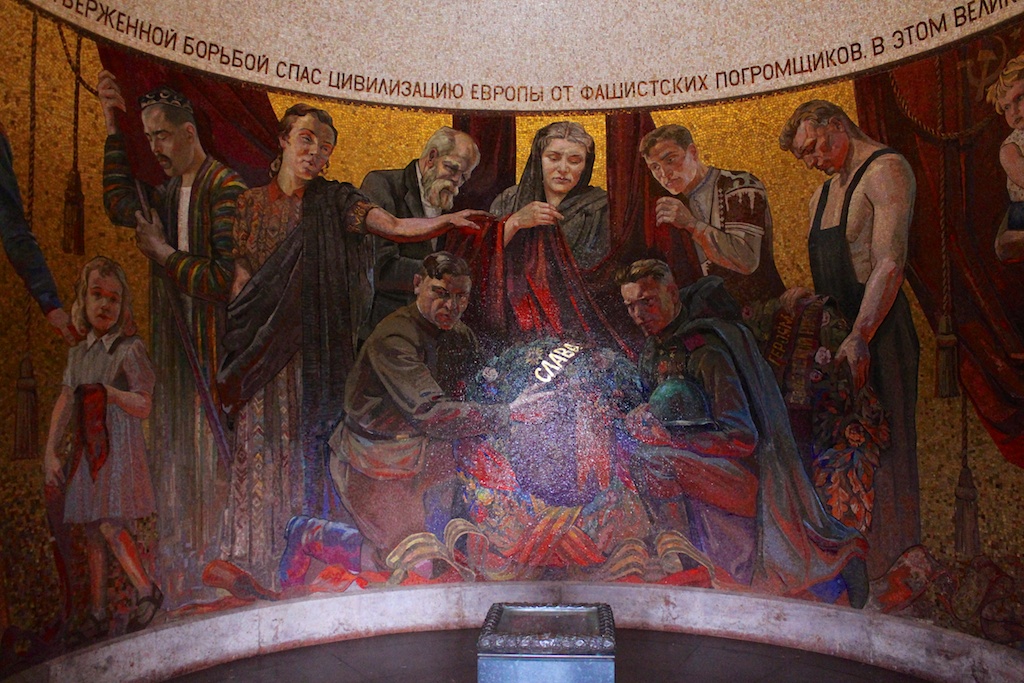
Inside the stone plinth is a circular room containing a mural of Soviet people….

IMG_2640

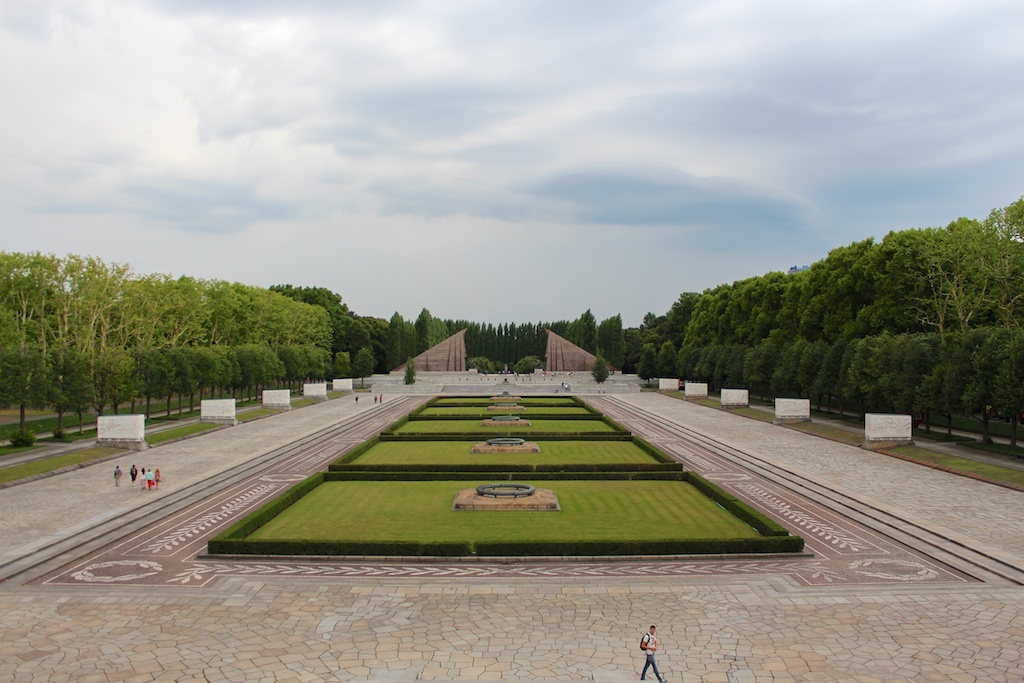
From the top of the plinth, the whole memorial can be seen….

IMG_2635

From here, the true scale of the memorial can be appreciated. The enormity of it is at times overwhelming which is likely the effect intended by the architect Yakov Belopolsky….

IMG_2634

As you spend time at the memorial, you begin to realise that the 5,000 soldiers buried underneath the manicured lawns aren’t the only ghosts that haunt the vast space. The spirit of a once mighty empire, now long dead, can also be felt as you walk around. The memorial was built at a time when the Soviet Union was on the rise and well on the way to becoming a world superpower. The grandiose architecture is evidence of this and demonstrates how important grand symbolism was in Soviet life. Today of course, the Soviet Union is no more and the Treptower Park Memorial serves as a reminder of the transitory nature of powerful empires.

Favourite Photos #4

2804844052_3eeb3a36dd

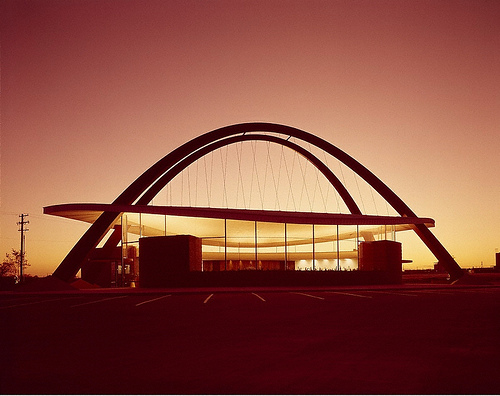
1964 | Julius Shulman – Founders National Bank Building/Bank of America

Julius Shulman was an architectural photographer who became famous in the 1960’s for his photographs of architectural modernism. I am a huge fan of modernist architecture with it’s beautiful converging lines and progressive style. Shulman’s photographs really show the style at its best and deserve to be more widely seen.

This particular photograph is one of my favourites by Shulman. Taken at magic hour, the photo manages to give the building an ethereal glow which almost makes it look like an alien spacecraft waiting to fly off into the night.

I may do a separate post about Julius Shulman in the future but in the meantime, if you want to see more of his pictures, there is a good selection here.

The Greatest Movie Theatre in the World?

It may not look like much from the outside but this old New York movie theatre-turned church is one of the most ambitious pieces of theatre architecture I have ever seen.

It was built by the Loew’s cinema chain in 1929 as one of its five flagship “Wonder Theatres” in the New York Area. As you head inside through the entrance lobby, you begin to realise that this is no ordinary theatre….

When you finally see the theatre itself, it’s hard not to be taken aback by the sheer scale of the place and the amount of detail that has been put into every aspect of it….

The design attempts to imitate a traditional Spanish/Mexican town and the level of detail used to achieve the illusion is truly extraordinary. There is even a night sky effect including stars painted onto the ceiling.

It is truly amazing that such an architectural gem has managed to survive in such great shape after so many years. If nothing else, the theatre demonstrates the importance of preservation in the modern age. At a time when so many works of architectural beauty have been lost forever by over-eager property developers looking to make easy money, it is encouraging to see a piece of our cultural heritage still looking so fine.

The thing that strikes me most about the theatre however is how it demonstrates the striking lack of inhibition in 1920’s America. People weren’t afraid to put big and bold ideas into practice. If you’re going to build a movie theatre why not make it the most exciting movie theatre in the World? Design just doesn’t seem to happen on this scale anymore and that’s a real shame.

All of these pictures are from scoutingny.com, a fantastic blog by a film location scout based in New York. There are not only lots more pictures of this theatre on the blog but also hundreds more posts about the mind-blowing architecture that New York has to offer.