Sasha Frere-Jones on Ryuichi Sakamoto [Paywall]

I said I wanted to make records again but was nervous because it had been almost ten years since I’d been in the studio. How does one make a good record?
‘Make a bad record,’ he said, and laughed. ‘I do it all the time.’

Putting aside the humble nature of Sakamoto’s response above, his simple advice to “make a bad record” as a creative tactic to circumvent the anti-creative judgmental power of the ego, is concise and masterful – if you’re worried about the quality of what you create, just make bad things. They likely won’t be bad for long.

The short profile of a music maestro from which this quote is pulled, peppered with first-hand conversations with the maestro himself, is a cracking little introduction to his work.

Who is B.S. Johnson?

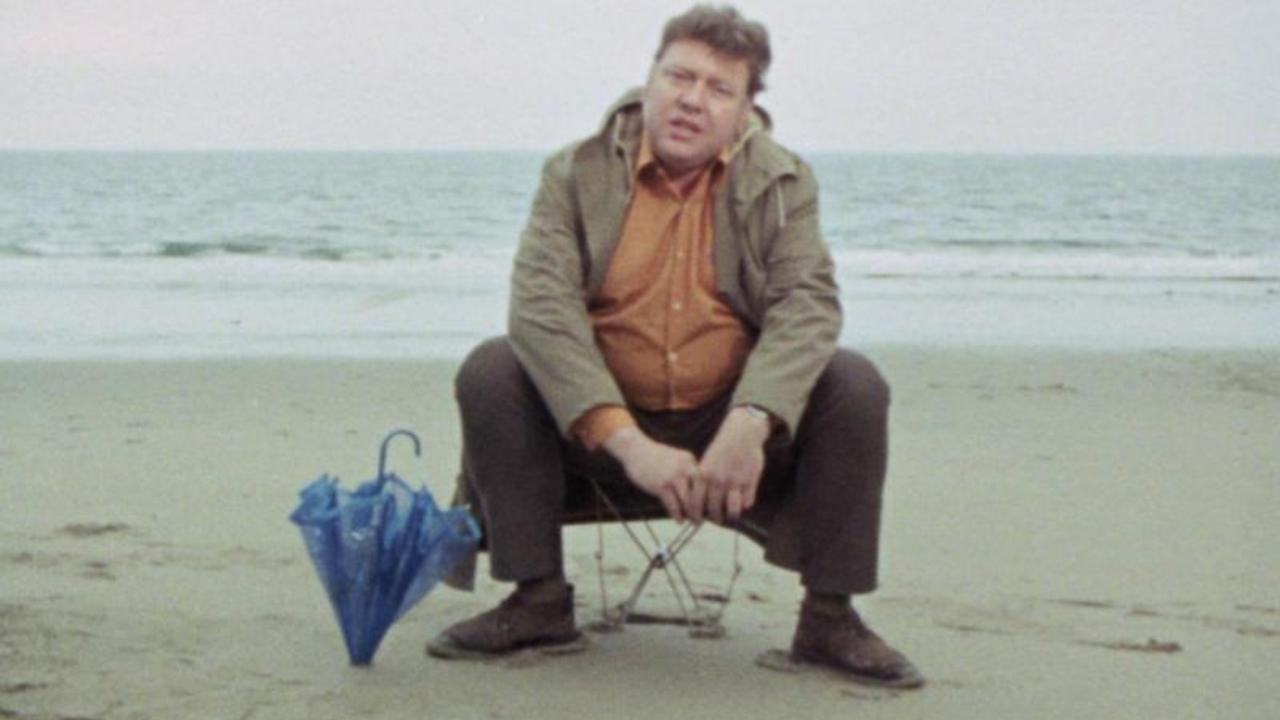
I remember reading a very short article in Sight & Sound magazine a year or so ago about the films of someone named B.S. Johnson. The writer’s description of this quizzical yet entertaining figure tickled my curiosity, so I dropped a link to one of his films – Fat Man on a Beach – into my watchlist.

There it languished, until recently, when I finally got around to watching it. What a fantastic little jester he was!

The first thing that you notice is just how consistently hilarious he is, dropping witty one-liners, extended funny stories and beautifully naughty nursery rhymes.

But B.S. Johnson was clearly no one-trick pony. As witty as he is, there’s a reason he’s not just a stand-up comic. He was much more than that; a proficient filmmaker, a clever writer, a solemn orator – even a philosopher of sorts, incorporating profound allegorical insights into his work.

There’s an exquisite absurdist tone to much of what he presents to the camera in Fat Man on a Beach. Said with a deadpan delivery and coming so thick and fast, it’s almost hard to keep track of when he’s making a joke and when he’s being deadly serious. Maybe there is no difference. Perhaps that’s the point.

There’s also a beautifully balanced delivery to B.S. Johnson’s monologues in the film. It seems to be the wonderful balance between witty humour and extreme profundity that furnishes the film with such wisdom. It’s the carefully curated life experiences of Johnson that provide the basic structure to what he’s telling the audience, but the wonderfully funny way in which he speaks creates a disarming tone that allows the wisdom to practically slide right into the psyche of the viewer with hardly any friction at all.

But there’s also an awful sadness hanging over the final scene of the film, indeed over the entire life of B.S. Johnson. The last thing he says to the camera is “….you can go, off you go, up, up, up” as he motions to the camera (the eye of the audience) to move upwards with his arms. After this, he simply proceeds to walk into the Irish Sea, alone, fully clothed.

While that famous dictum about the thin margins between genius and insanity has always felt a bit twee to me, I can’t help but think that the closest the dictum gets to the truth is in characters like B.S. Johnson whose psyche seemed as though it had no conscious choice but to push at the boundaries of polite, sensible reality into the realms of hilarious absurdity in relentless pursuit of wisdom and truth. Unfortunately, no matter how hard you push, it’s sometimes not enough to escape the demons that are chasing you.

A few weeks after filming that scene, he ended his own life.

Why The Shining is the Best Horror Film Ever Made


The Shining 4

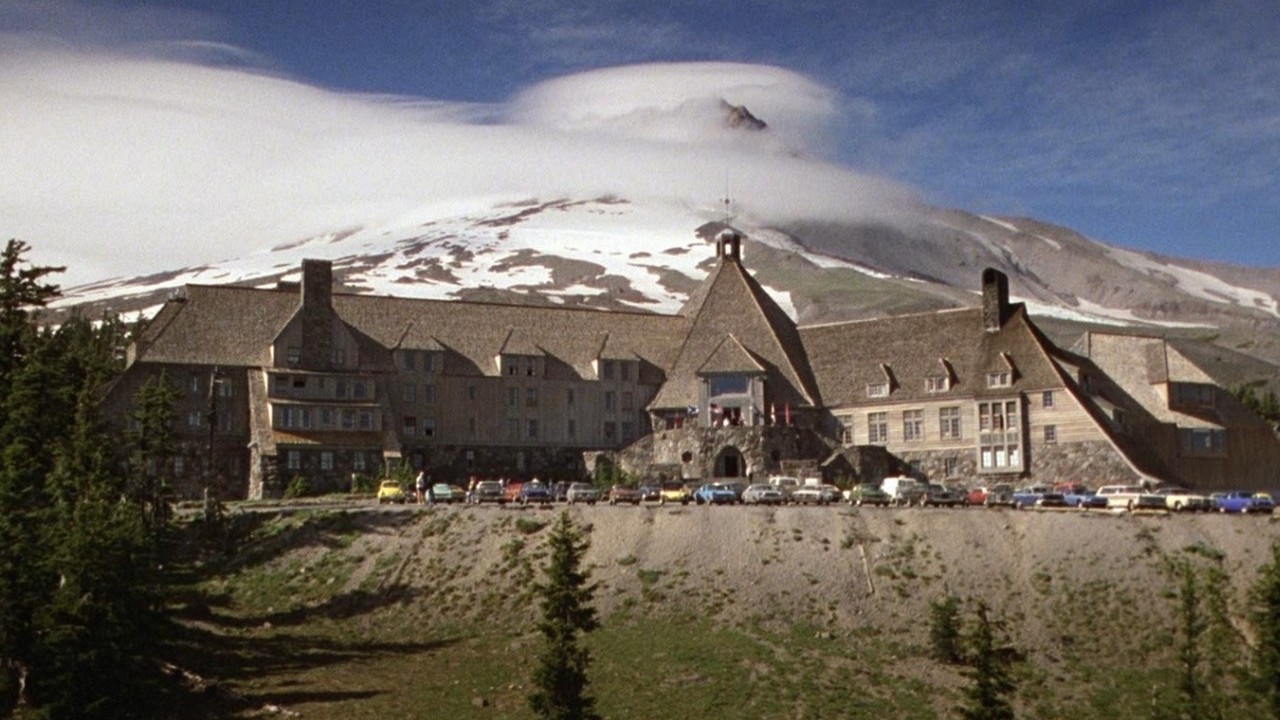
I hold my hands up. Not too long ago, I believed that Stanley Kubrick’s The Shining was an underwhelming horror film. Don’t get me wrong, the acting is outstanding, the immersing wide shots make the cinematography gorgeous to behold and the accompanying soundtrack creates a truly chilling atmosphere. However, I firmly believe that a horror film should be scary. It should make you check that nobody is lurking in the dimly lit corner of your room. It should make you afraid to go to sleep. When it came to The Shining, up until now I have always held that it simply didn’t meet these criteria. Watching a slightly unhinged man chase his wife and son around a big hotel as he slowly slipped into insanity simply wasn’t scary enough for my tastes. Where were the malevolent spirits trying to haunt the family’s souls? Where were the demonic beings trying to push their way into the lives of the terrified family?

However, after giving it some thought and looking at the film with fresh eyes, I have changed my mind. I now believe it may just be one of the greatest horror films ever made.

In a recent interview with The Verge, Kubrick’s wife Christiane explains that:

“He wanted to make a ghost film. A ghost film! You know, just that – a good ghost film [that was] scary. That’s what he wanted to do.”

The Shining 3

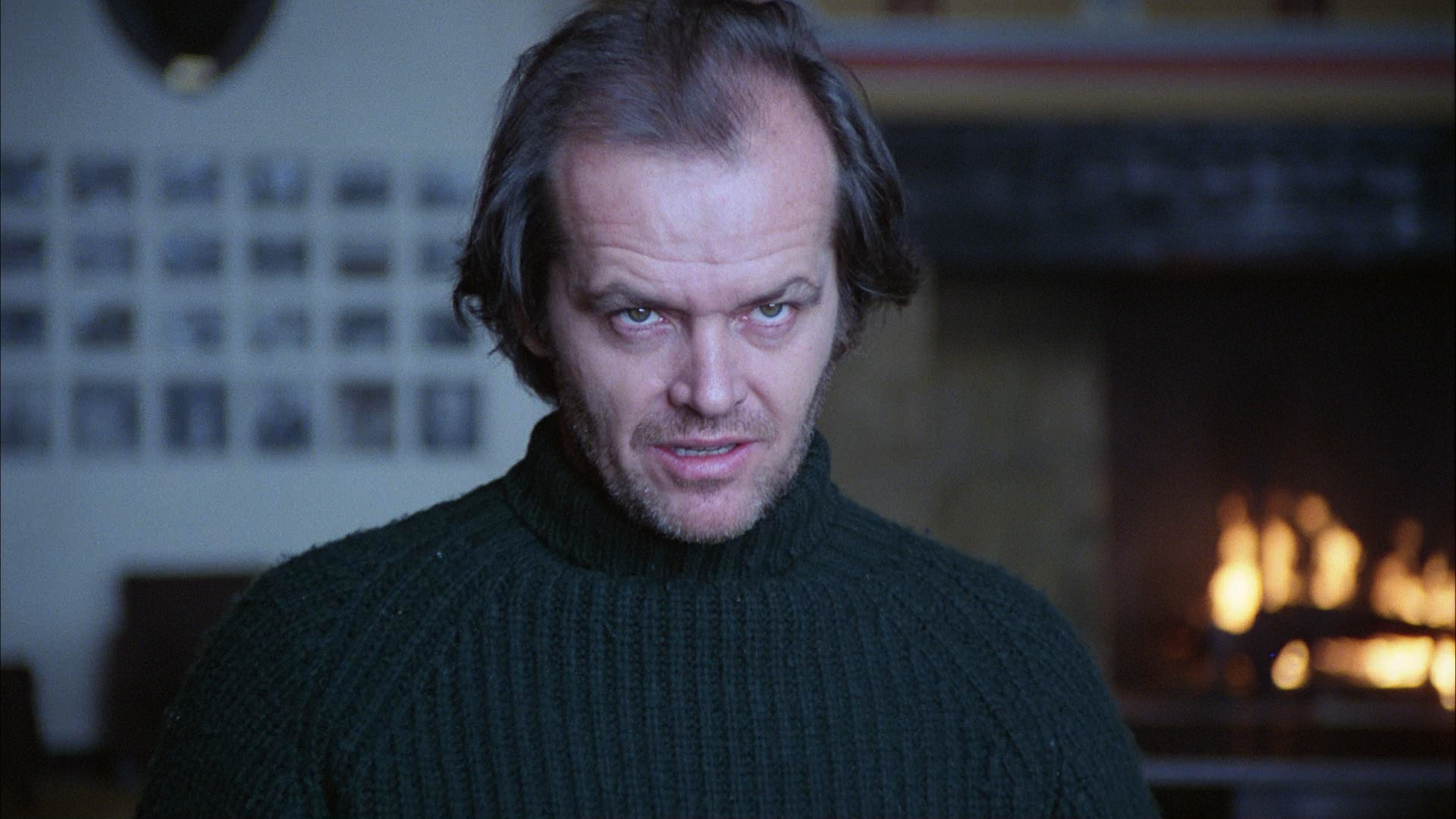
After reading this, I was compelled to watch the film once more and reassess my views. Only then did it dawn on me that The Shining is exactly what Christiane had said it was; a film entirely about ghosts. After all, what are ghosts? Simply beings we cannot see that subtly affect the minds of living people. In The Shining, over the course of the film Jack Torrance is slowly but radically influenced by an unseen force that we cannot see! He gradually deteriorates from a lively coherent individual to a terrifying, psychotic zombie-like monster. What can possibly cause a man to undergo this radical change in such a short space of time? The film gently suggests that Jack’s psychosis is the result of interference from a supernatural force, i.e a ghost or a spirit. What is most terrifying to the viewer is if an everyday guy like Jack Torrence can rapidly fall under the influence of some unknown supernatural force, might it be possible for us to suffer the same fate?

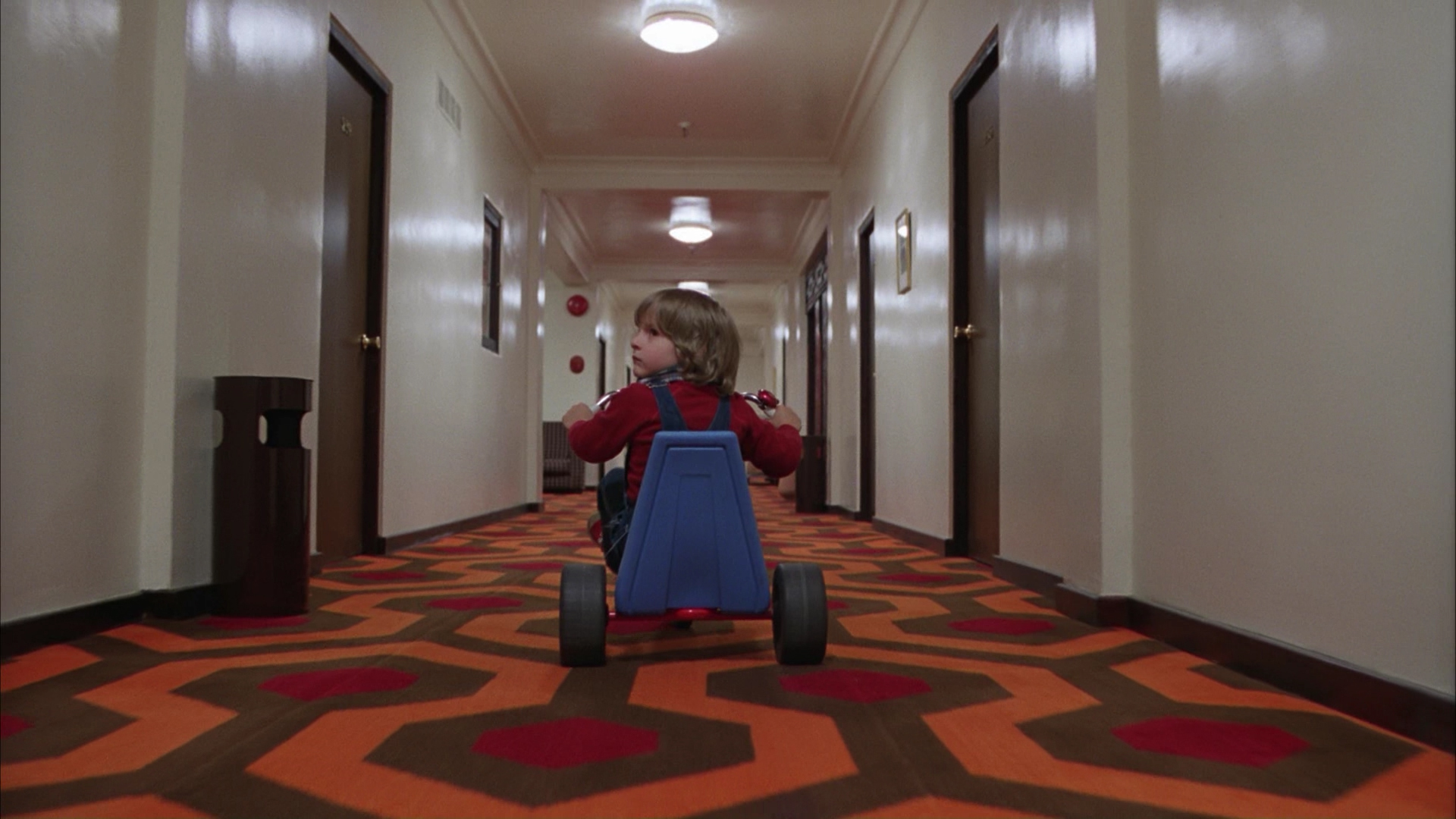
The Shining is far from a simple film. If you want to scratch the surface, Kubrick has included enough ideas and visual metaphors to keep you occupied for a long time. The documentary Room 237 explores a number of proposed theories as to what Kubrick wanted to express through The Shining and while many of the theories may say more about the theoriser than the film itself, some cannot be dismissed so easily. Kubrick was known to be a perfectionist who put an extreme amount of effort into getting his films to be just the way he wanted. Therefore, some of the things pointed out in Room 237 such as the impossibility of the layout of the hotel quite clearly exist for a reason.

The Shining 1

When you start to analyse The Shining in greater detail, you end up diving head first down a rabbit hole that does not seem to have a visible end. At its broadest, the film hints at what it means to be human, with a mind that’s more akin to an endless labyrinth than the clear organised bunch of compartments that we like to think it contains. When it comes down to it, I think The Shining is terrifying because thinking about how our mind works is like thinking about the vastness of outer space or the contents of the afterlife. It is scary because we cannot contemplate it, it is beyond our understanding and therefore it takes on a sort of mysterious aura.

Ultimately, like all of Kubrick’s films and all good films in general, The Shining is as simple or as complex as you, the viewer, want it to be. For me it is simply a deep, invasive probing of the human mind and as there is nothing more paradoxical than something thinking about itself, The Shining is the most terrifying film ever made.

Holy Motors and the Wonder of Cinema

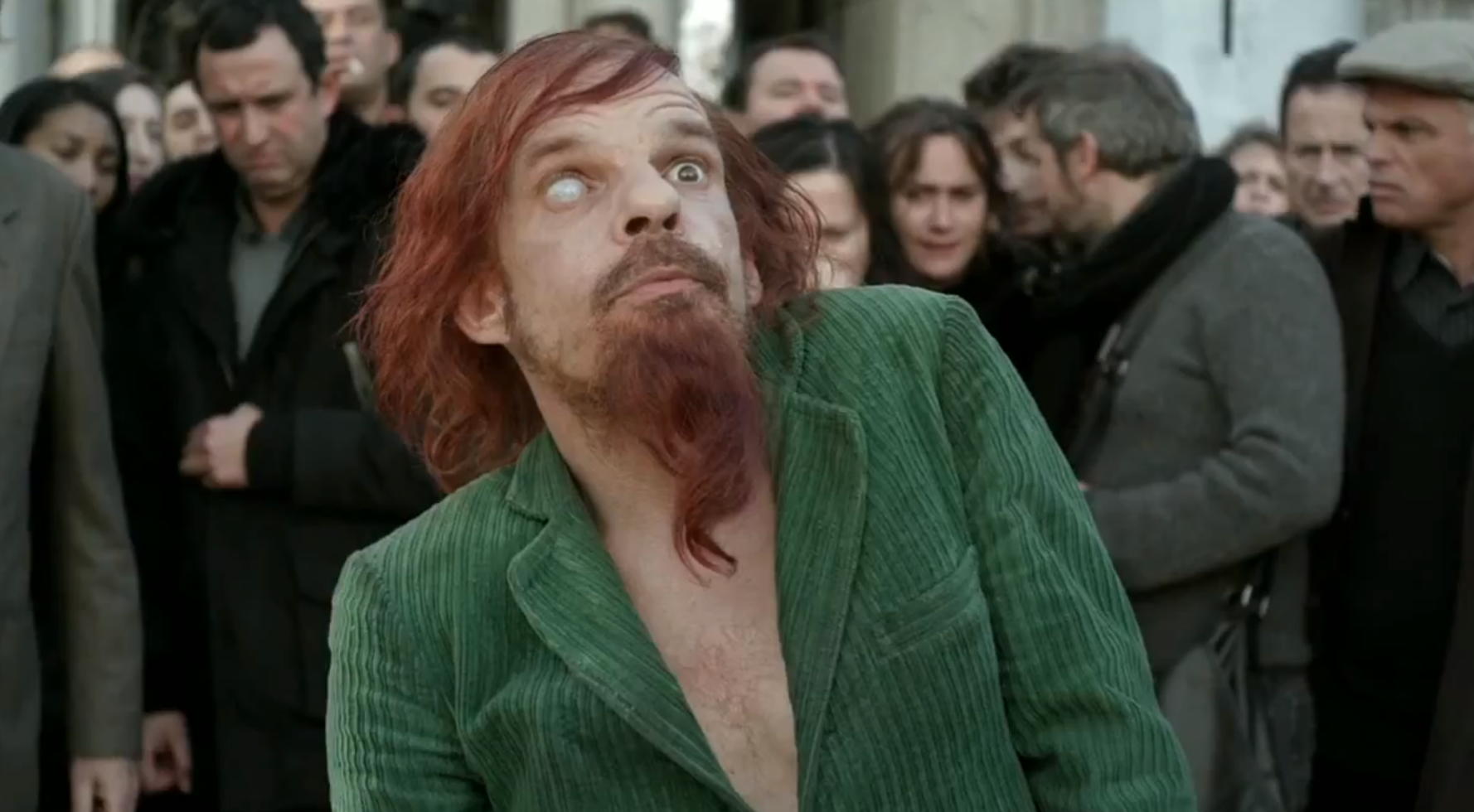
Holy Motors 1

The average film is made up of over 150,000 individual images or “frames” displayed one after the other at high speed. If it is projected using 35mm film, a shutter will momentarily close between each frame, preventing any light from leaving the projector while the frame changes. This means that if you’re watching a film projected in 35mm, for half the film you are sat in complete darkness!

Despite this, the mind buys into the illusion and we are left watching what appears to be a continuous stretch of moving images. The wonderful art of film is capable of producing from this an experience that we often enjoy very much and occasionally provides something more, something so sublime that we are left speechless by the end. Parts of the film Holy Motors were, for me, the very definition of sublime.

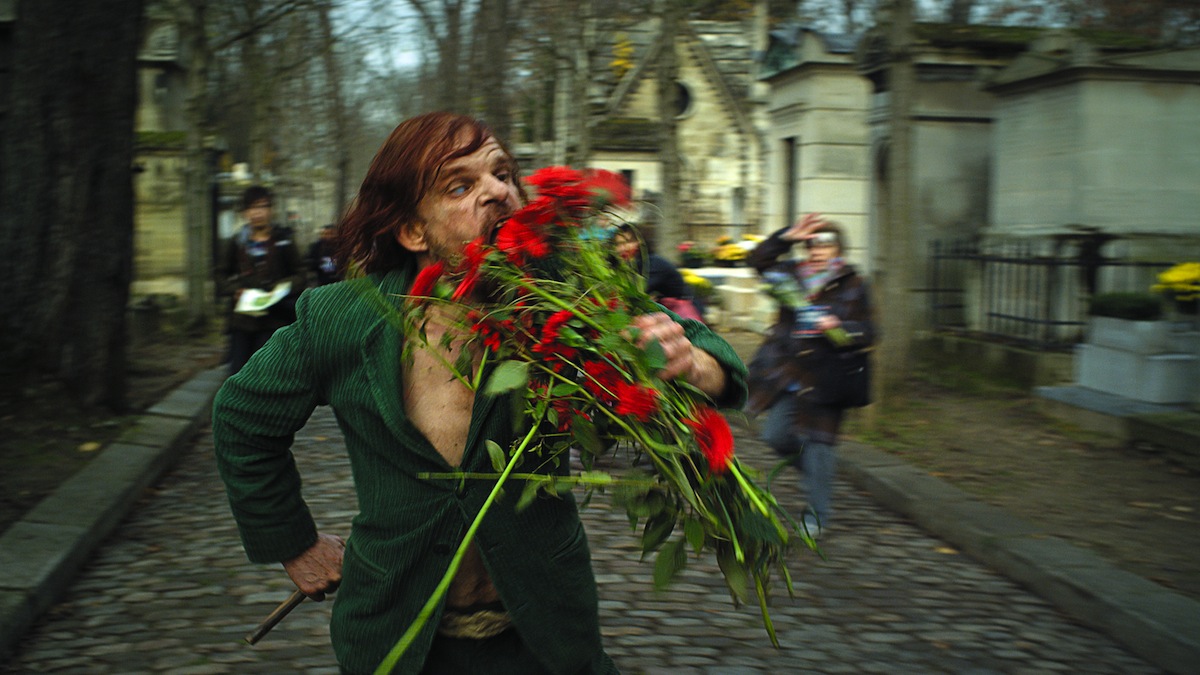
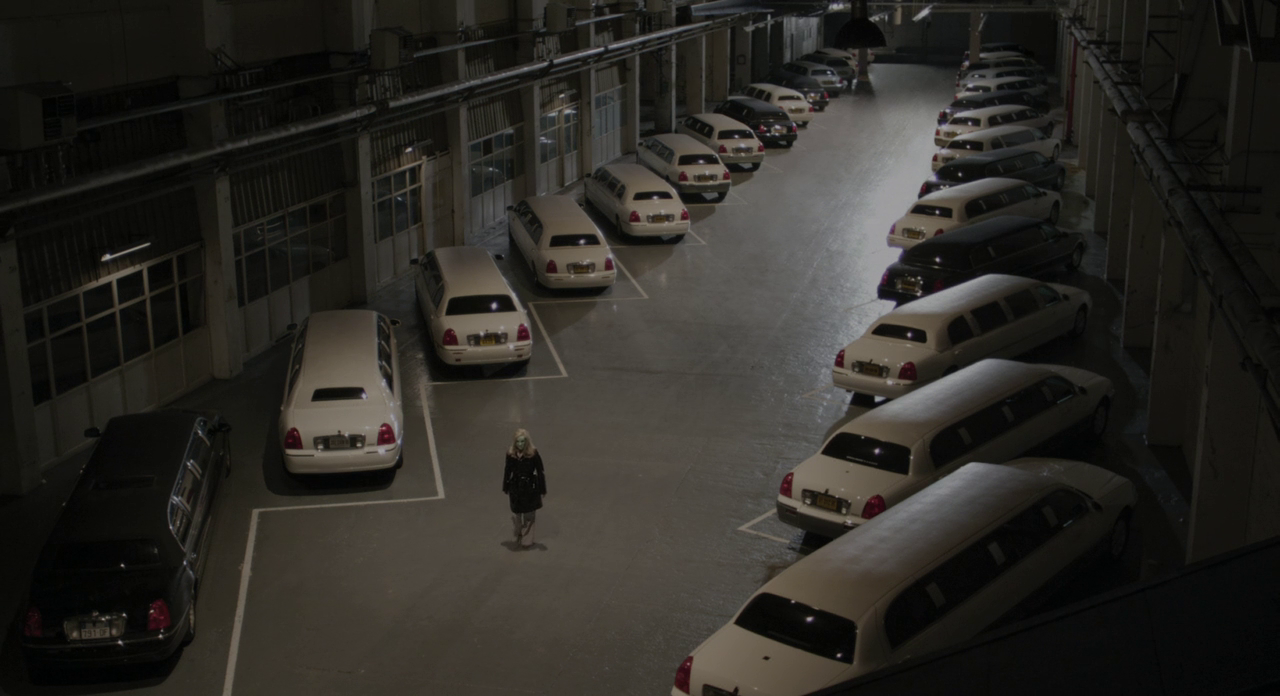
Primarily composed of a selection of wildly different vignettes, Holy Motors is on one level a day in the life of a Parisian man who is chauffeured around in a limousine from place to place as he carries out his daily business. Looked at in a wider sense, it can be seen as a tribute to cinema itself. In its broadest, it is an exploration on the meaning of life.

Holy Motors 2
By the time the credits begin to roll, your mind begins to race, probing and analysing the previous two hours of film that you have just witnessed. What does it all mean? Does it even have a deeper meaning? The important thing is that it makes you think. In an age when cinema seems to be becoming less cerebral and on the whole taking itself a lot less seriously, this film certainly bucks that trend.

In the middle of the film is an “interlude” that is truly magical. I don’t wish to say too much as I believe it’s best experienced fresh to have the full emotional effect but that one scene says more about what it means to be alive than most films from 2012 put together. The result is three minutes of pure unadulterated joy.

Holy Motors reminded me exactly what films are all about, the reason why we go to the cinema in the first place. Watch a string of mediocre films in a row and it’s easy to get stuck in a film viewing rut but watching Holy Motors reinvigorated my passion for great cinema and made me remember the glorious power that films have when they are at their creative best.

Prepare to laugh, prepare to be overjoyed, prepare to be shocked, prepare to be dumbfounded. Strap yourself in as Holy Motors is one hell of a ride.

I’d love to hear your thoughts about Holy Motors if you are lucky enough to have seen it already.

Holy Motors 3
© All image rights reserved by their respective owners.

Grand Relics of the Soviet Union – Part 2

The second Soviet monument I stumbled across on my recent trip to Germany was at the Buchenwald Concentration Camp near Weimar. It was constructed by the Soviet Union in 1958 to commemorate the estimated 56,545 people who died at the camp during the Holocaust.

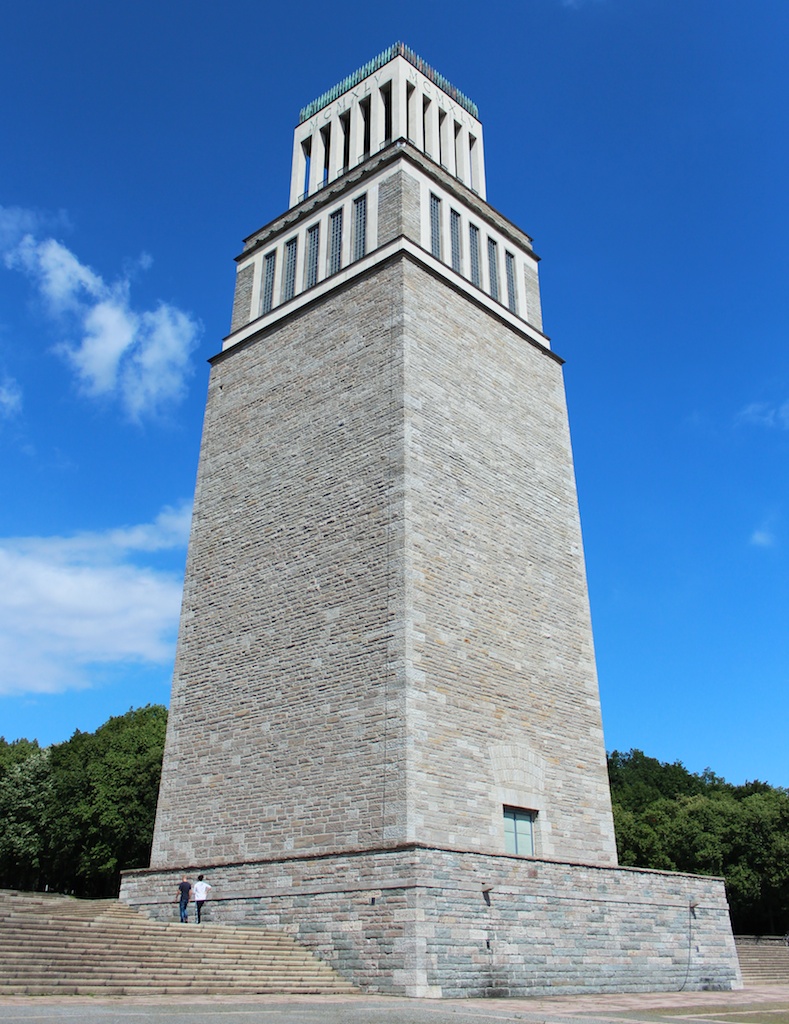
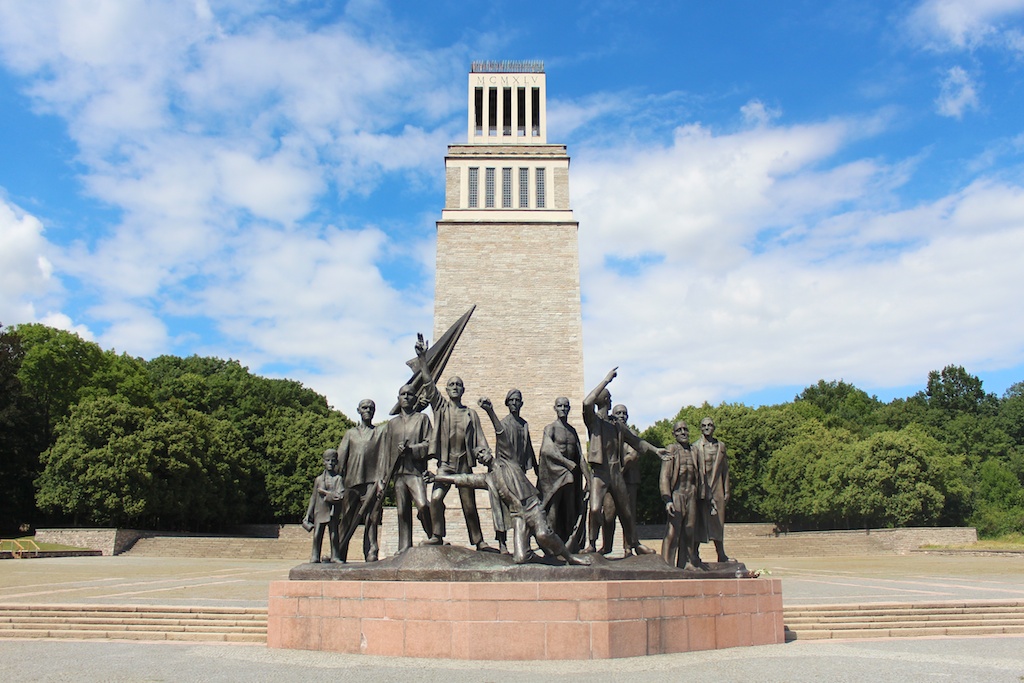
As you approach the memorial site, emerging from the trees, it is impossible to ignore the enormous stone tower which stands as the centrepiece of the whole memorial….

IMG_2458 - Version 4

The entire memorial is built on the southern slope of the Ettersberg mountain near Weimar and just in front of the stone tower is a collection of figures looking out at the spectacular vista….

IMG_2459 - Version 3

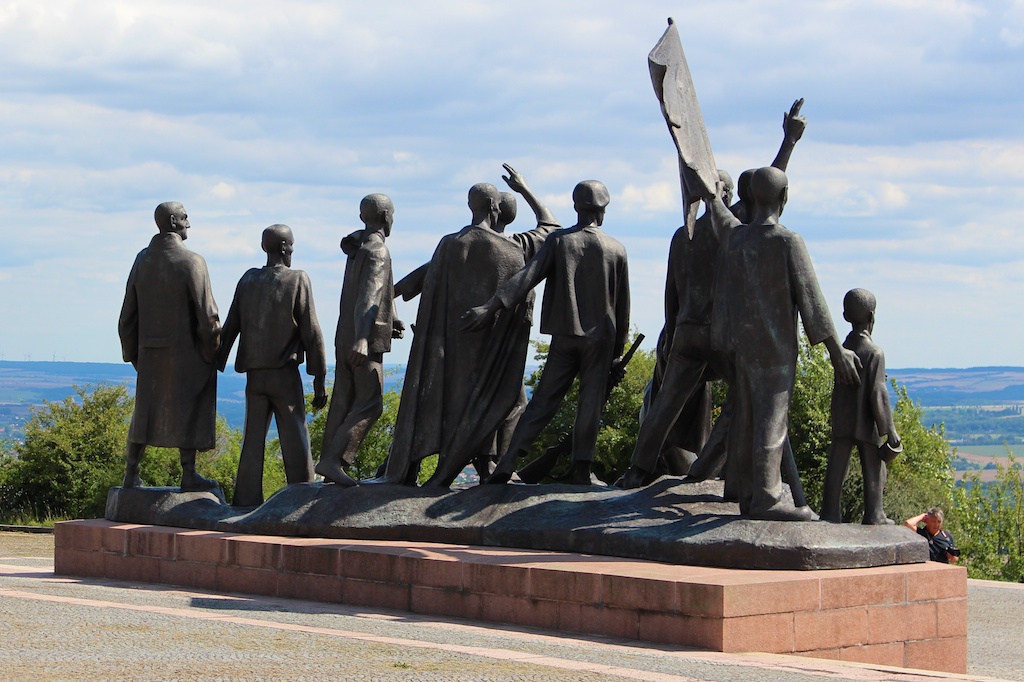
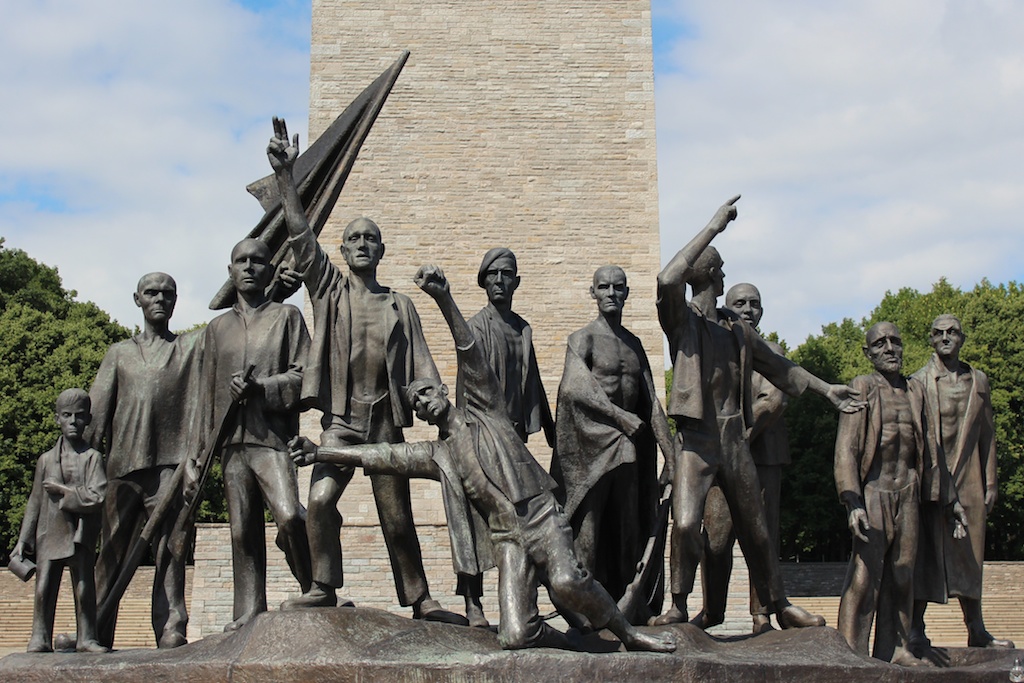
The sculpture depicts emaciated prisoners as they are liberated from the camp in 1945….

IMG_2464 - Version 3

They help to give a human face to the memorial and remind you exactly what it was built to remember….

IMG_2463 - Version 2

The sculpture was designed by Fritz Cremer and the detailed figures represent resistance fighters inside the camp at the moment of their liberation….

IMG_2487 - Version 2

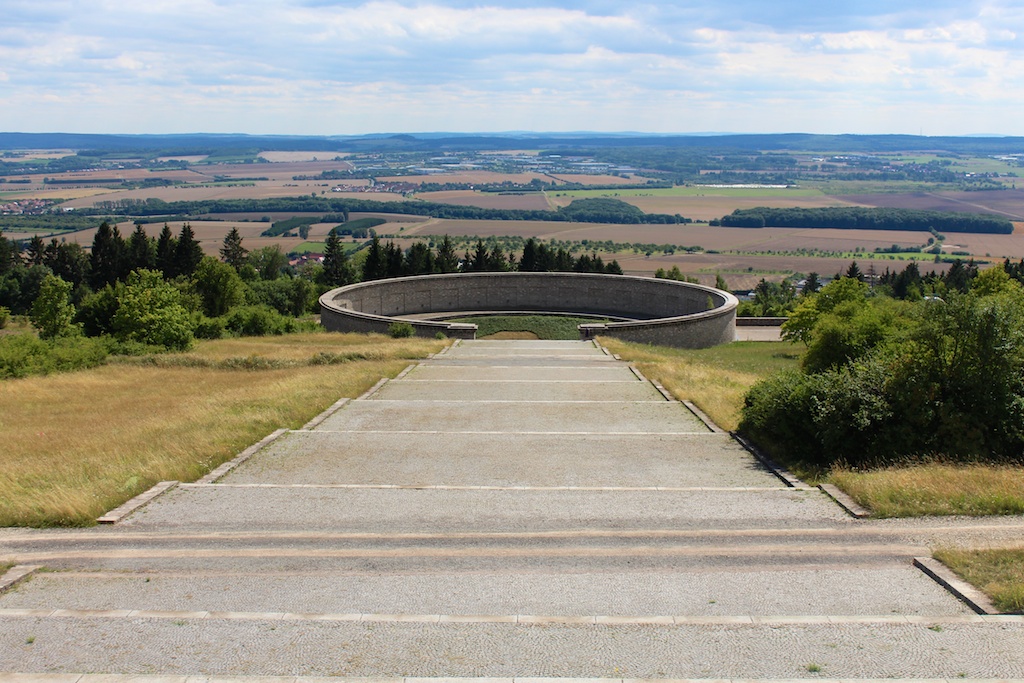
As you look down the steps to the next portion of the memorial, you begin to realise the immensity of the whole thing….

IMG_2462 - Version 3

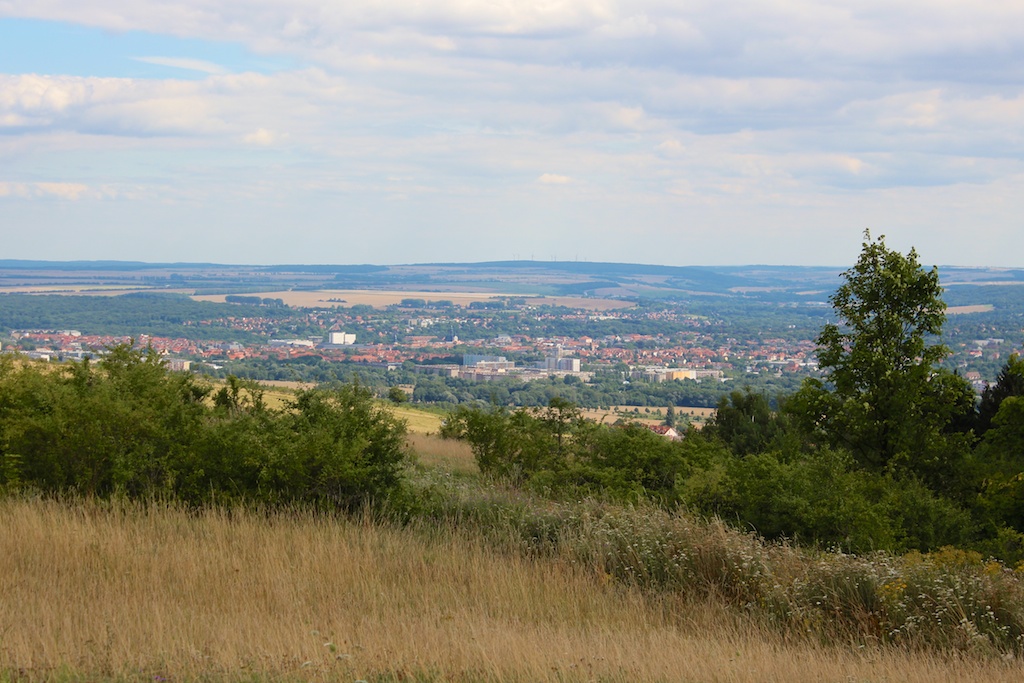
Being built on the side of a mountain means that it has a fantastic view of the surrounding countryside and the city of Weimar….

IMG_2468 - Version 2

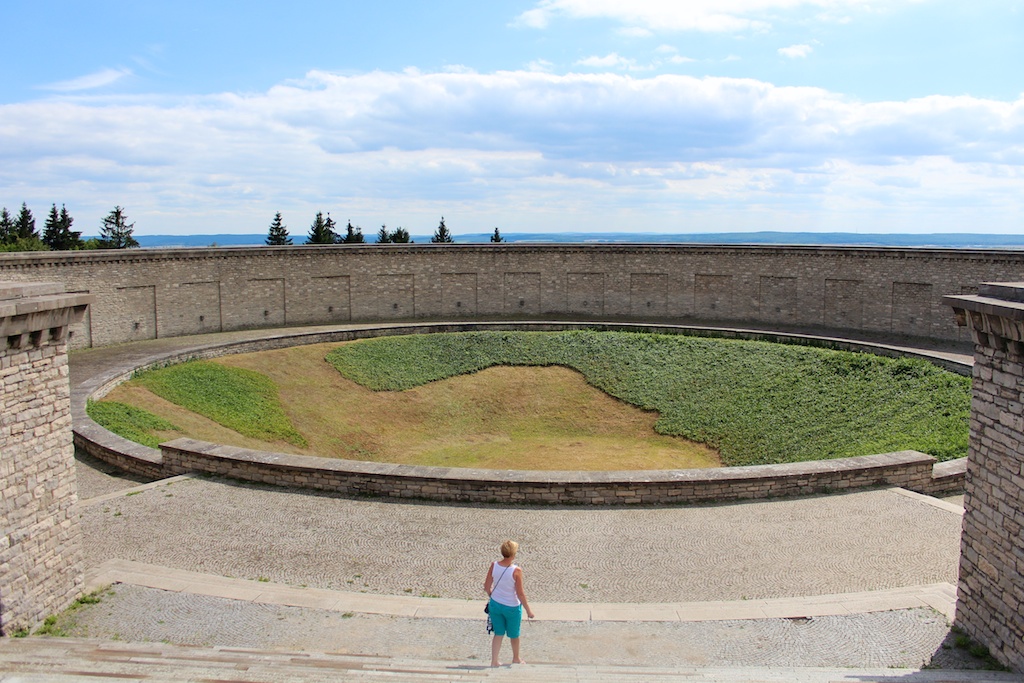
At the bottom of the huge set of steps is the first of three circular areas that are constructed around natural depressions in the ground. These depressions are where the SS dumped the ashes of people they had cremated in the camp between the end of 1944 and March 1945….

IMG_2469 - Version 2

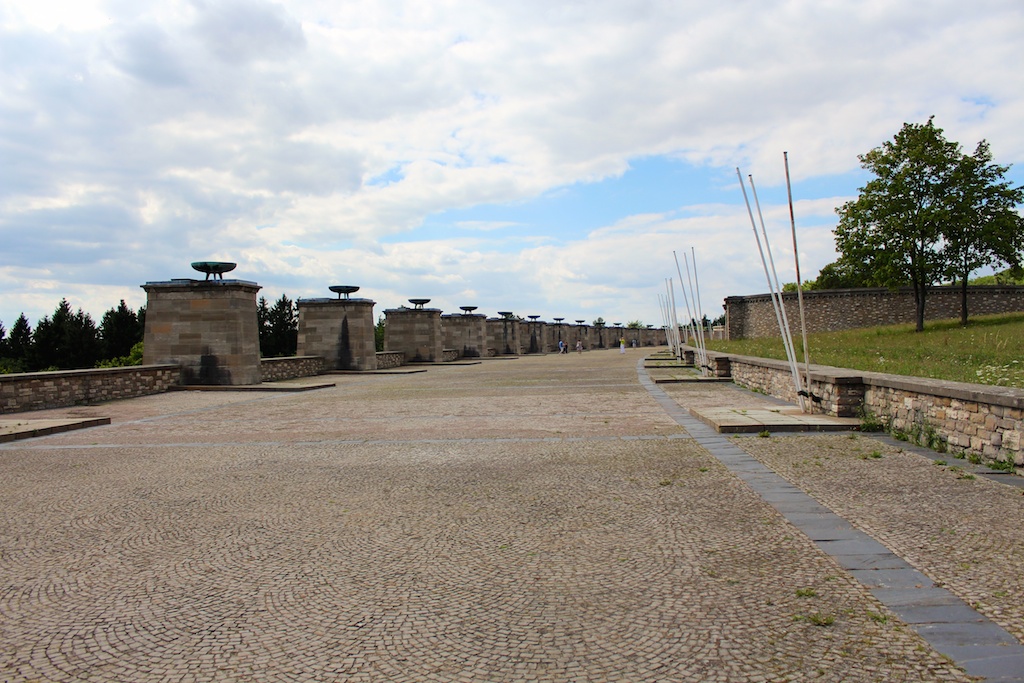
From here, a large paved area joins the remaining two natural depressions in a giant arc lined with plinths. Each plinth is dedicated to one of the countries that the Buchenwald prisoners originated from….

IMG_2479 - Version 2

The size of the whole site is quite remarkable and must have taken a considerable amount of planning by the Soviet Union….

IMG_2484 - Version 3

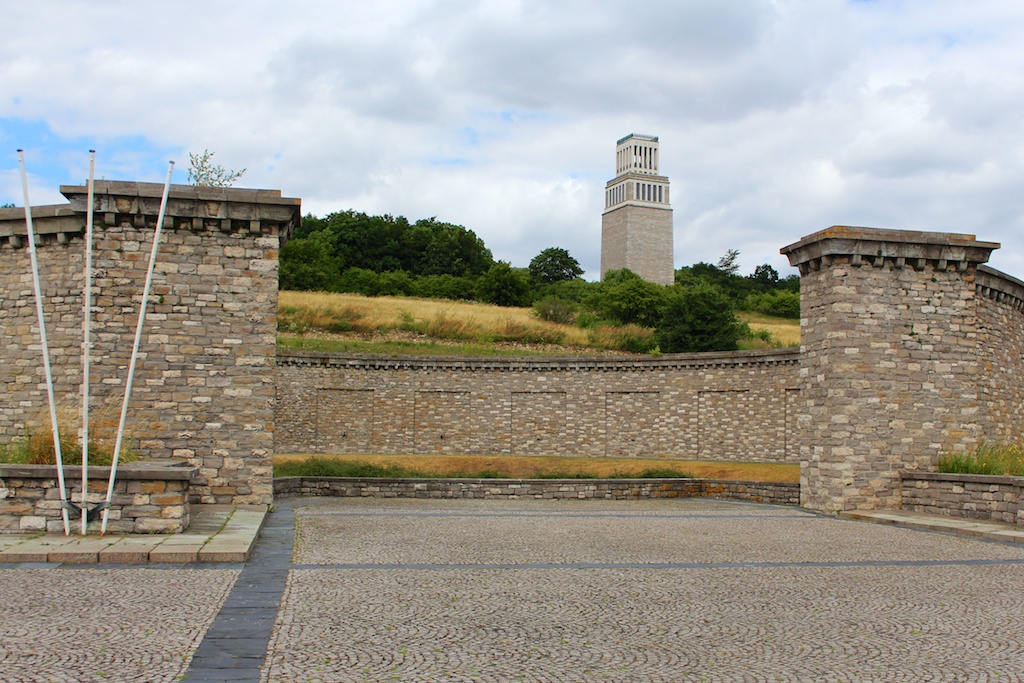
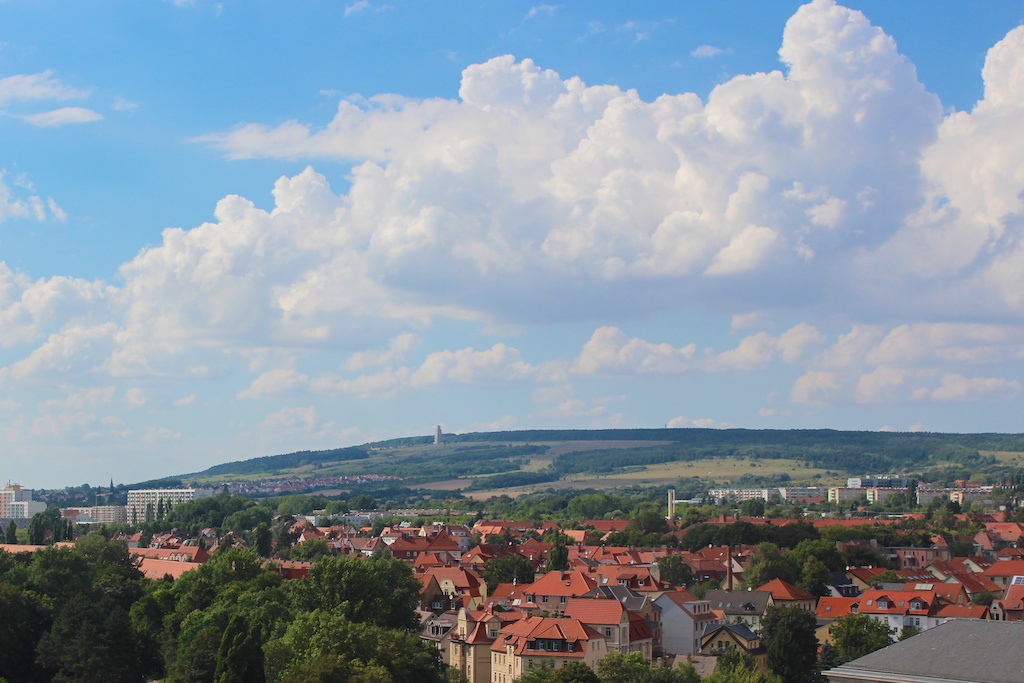
The stone tower that forms the centrepiece of the memorial can be seen from the city of Weimar over six kilometres away….

IMG_2211 - Version 2

There is no denying that Soviet memorials were built on a vast scale. Whether this extravagance is justified is questionable but it’s worth remembering in this case that Buchenwald Concentration Camp witnessed the massacre of over 50,000 people. Therefore, any memorial which reminds people of this horrific period in history is in my view extremely important, regardless of it’s size or grandiosity.

Grand Relics of the Soviet Union – Part 1

While in Germany recently, I stumbled upon not one but two enormous monuments erected by the Soviet Union to commemorate the huge loss of life in two different aspects of the Second World War.

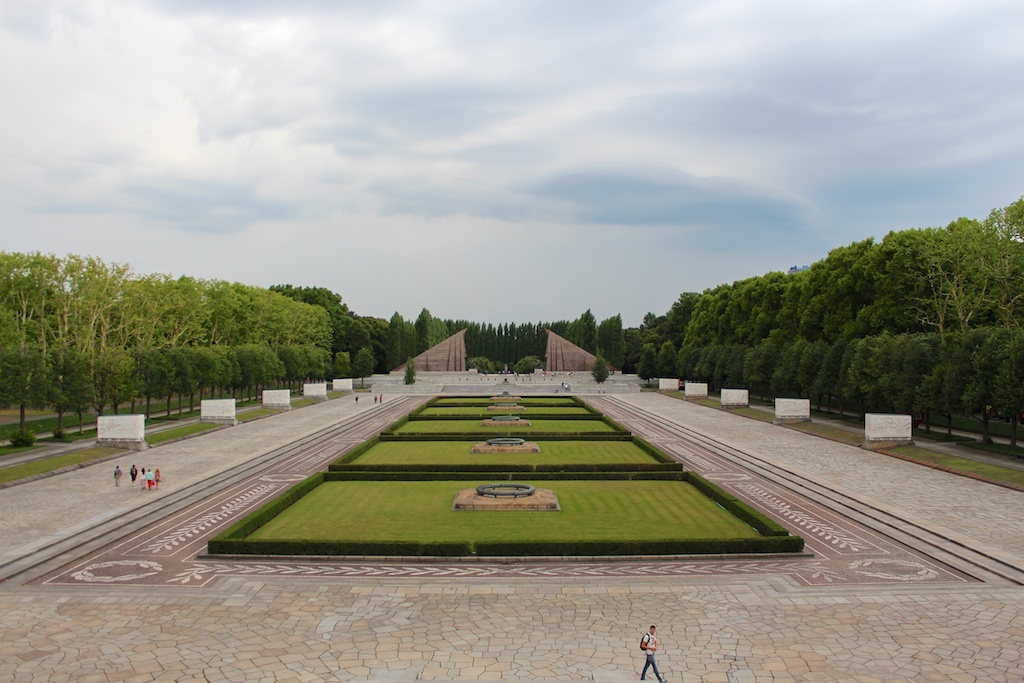
The first was nestled away inside Treptower Park in Berlin. It was constructed in 1949 to remember the 80,000 Soviet lives lost during the Battle of Berlin four years earlier.

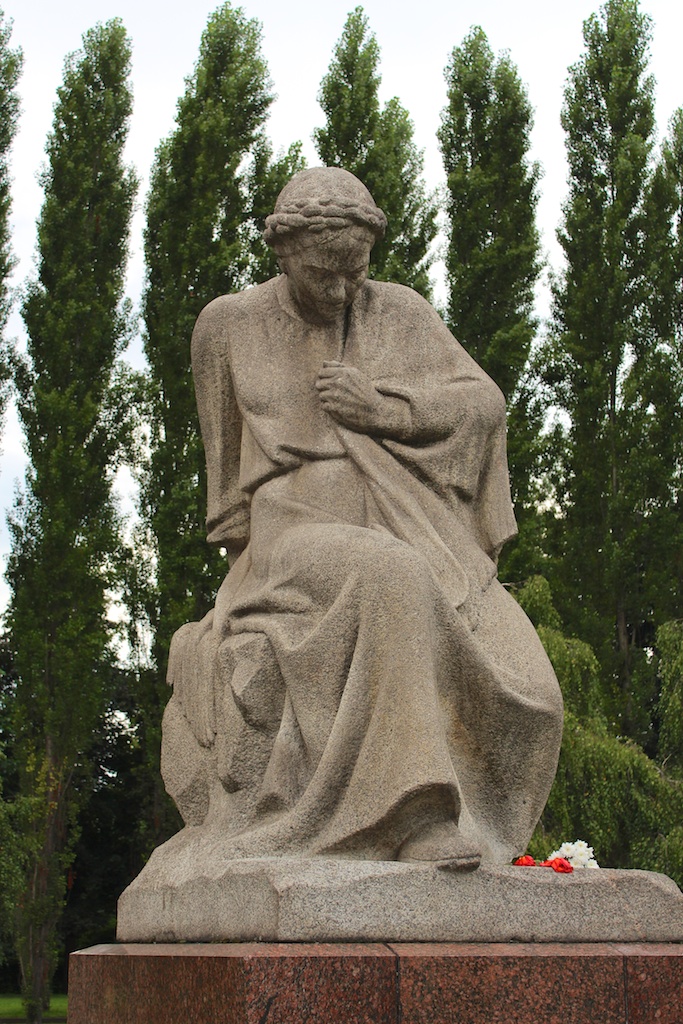
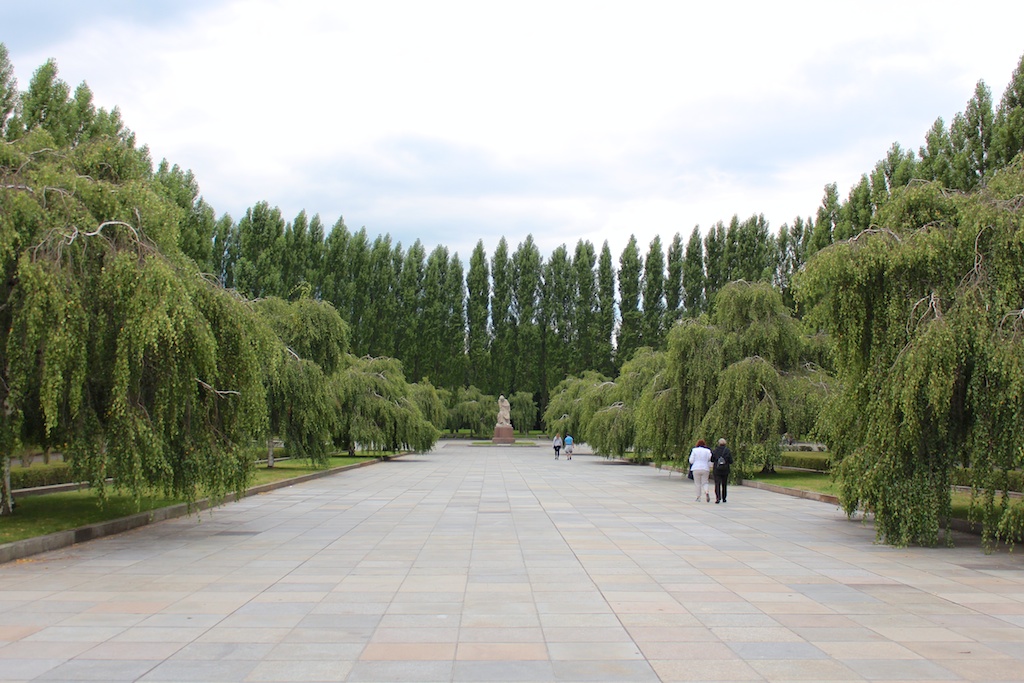
When you first walk into the memorial, all you can see in front of you is a hunched figure on top a plinth surrounded by trees. As you draw nearer, it becomes clear that what you are looking at is a female who it turns out is “the Motherland weeping at the loss of her sons”….

IMG_2600

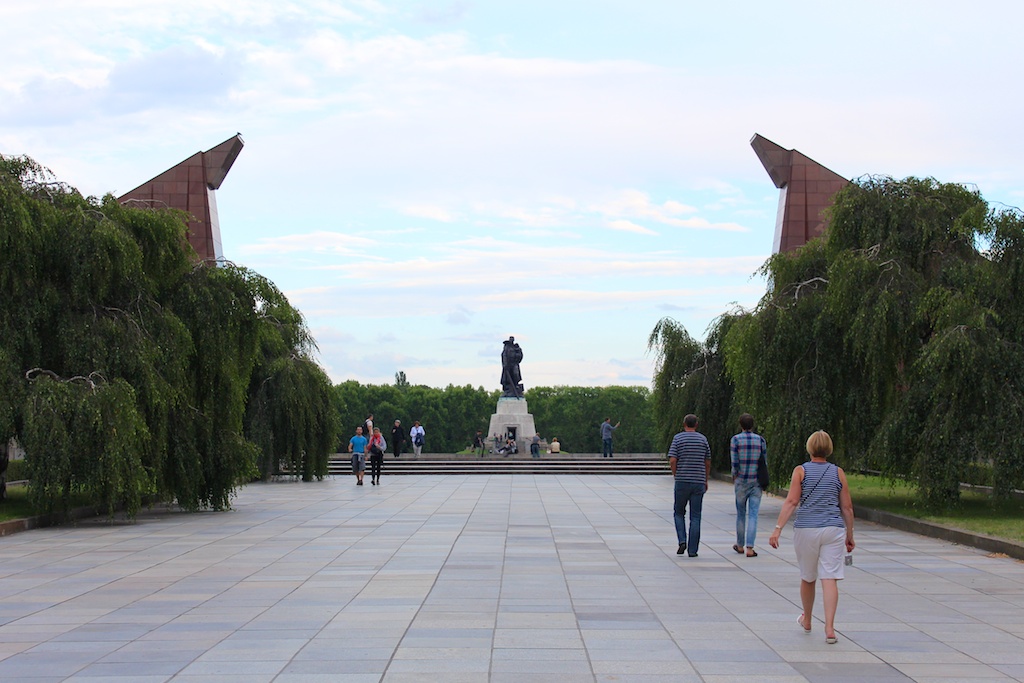
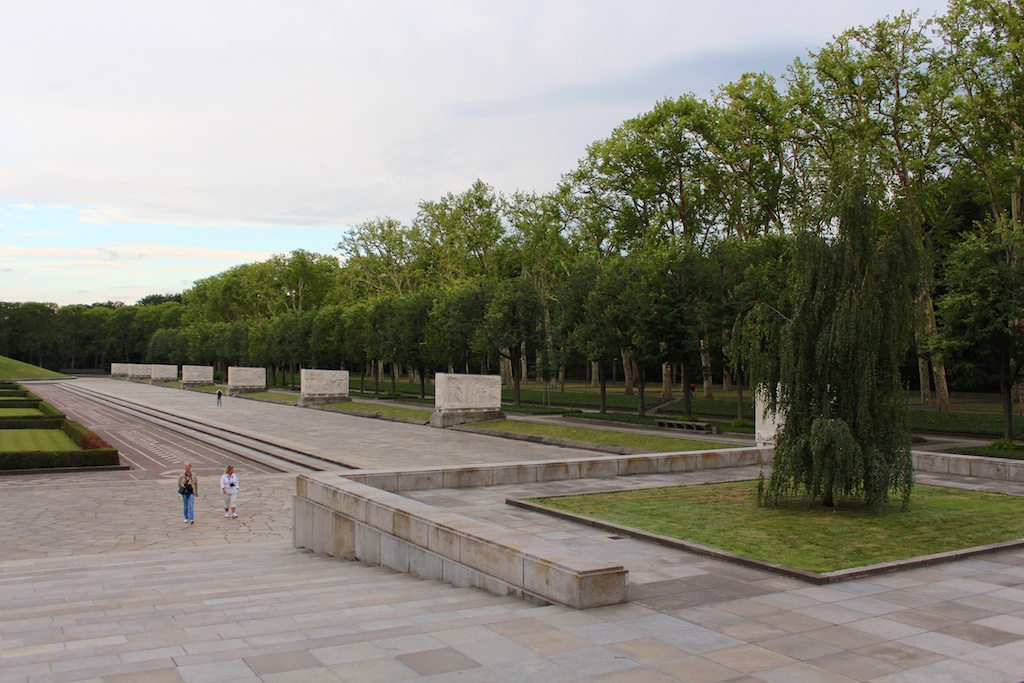
As you turn to the left, it is now possible to see the rest of the enormous memorial directly in front of “the Motherland”….

IMG_2605

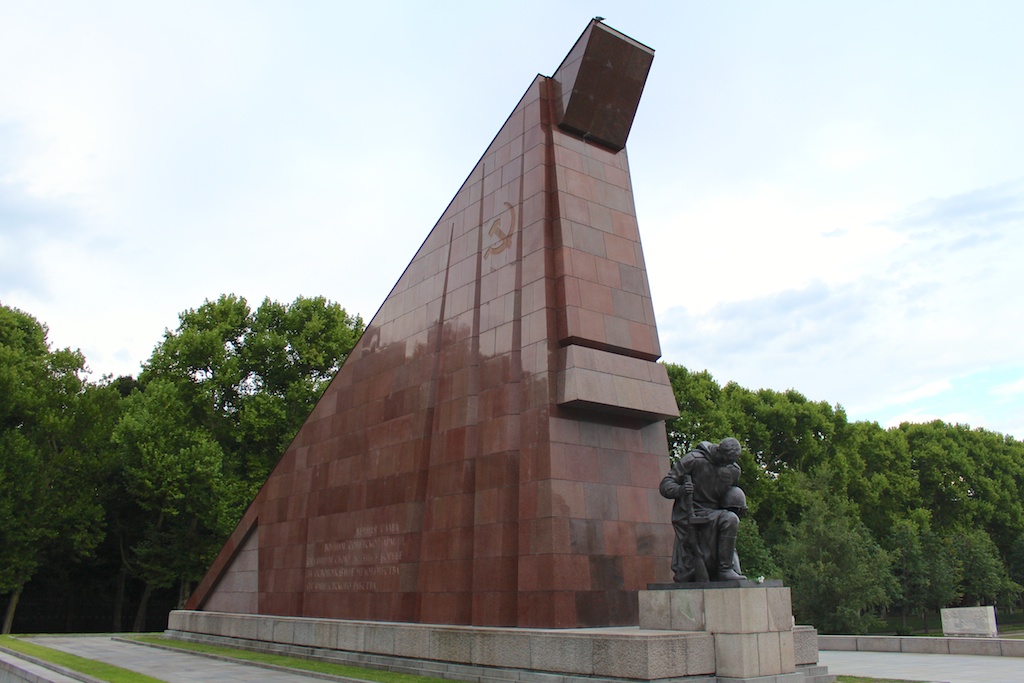
Two huge triangular towers form a gateway into the main part of the memorial. The red granite was allegedly taken from the ruins of Hitler’s Reich Chancellory 4 miles away….

IMG_2607

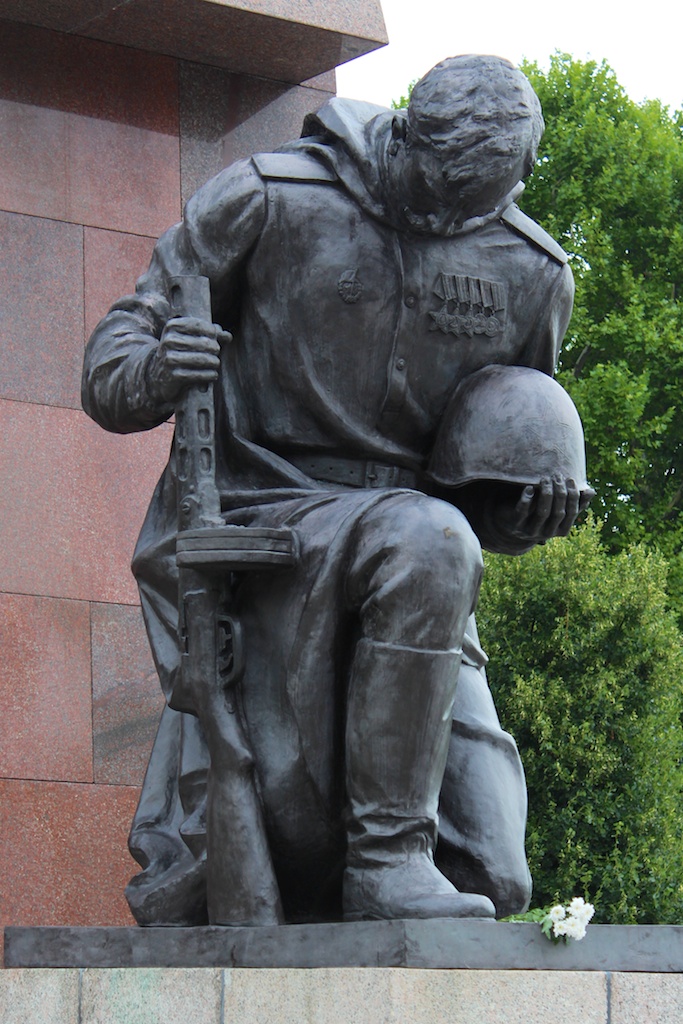
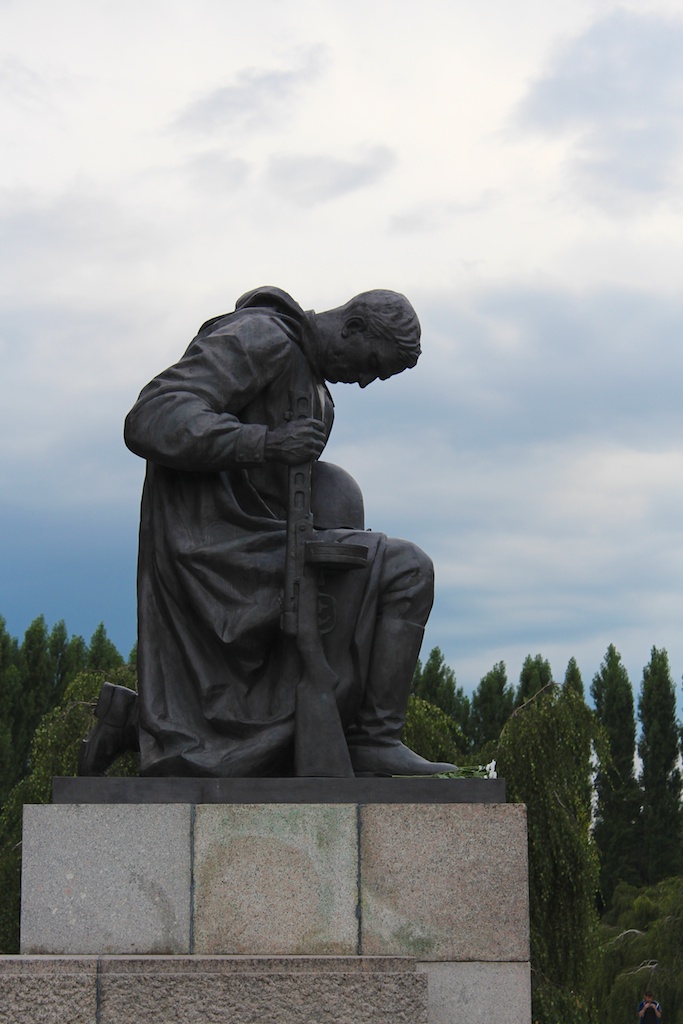
At the foot of each tower is a Soviet soldier kneeling to those who pass….

IMG_2610 - Version 2

Turning back to look in the direction that you came, “the Motherland” is now a small figure in the distance shielded by trees….

IMG_2606

Walking on through the gateway, past the two kneeling soldiers….

IMG_2615

You enter the vast central area of the memorial. Here, over 5,000 Soviet soldiers are buried in mass graves….

IMG_2613

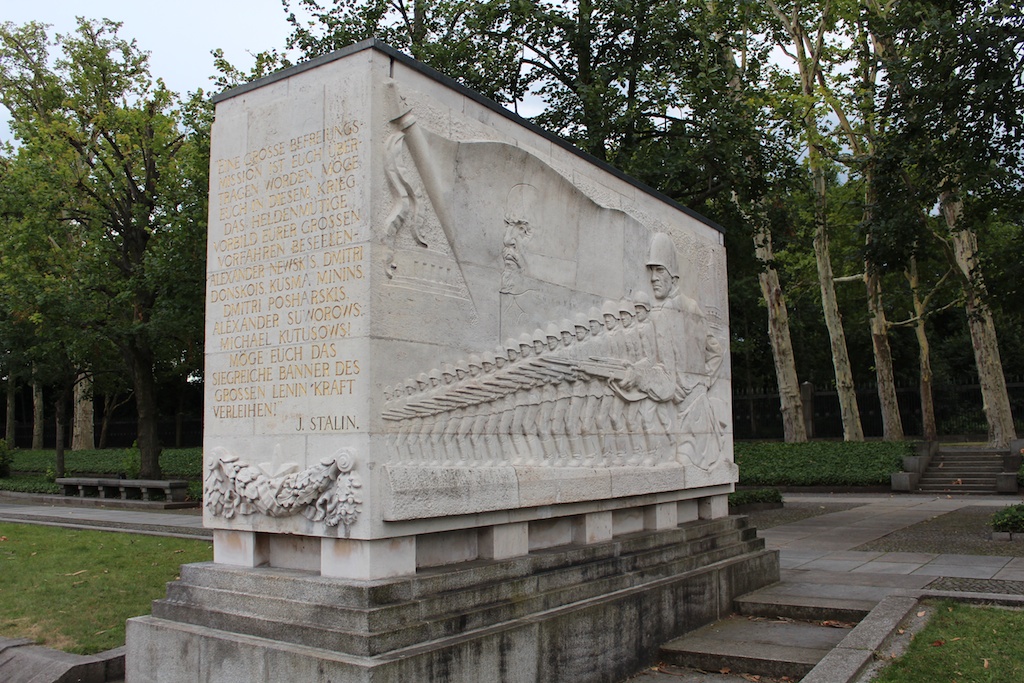
Surrounding the graves are sixteen stone sarcophagi….

IMG_2618

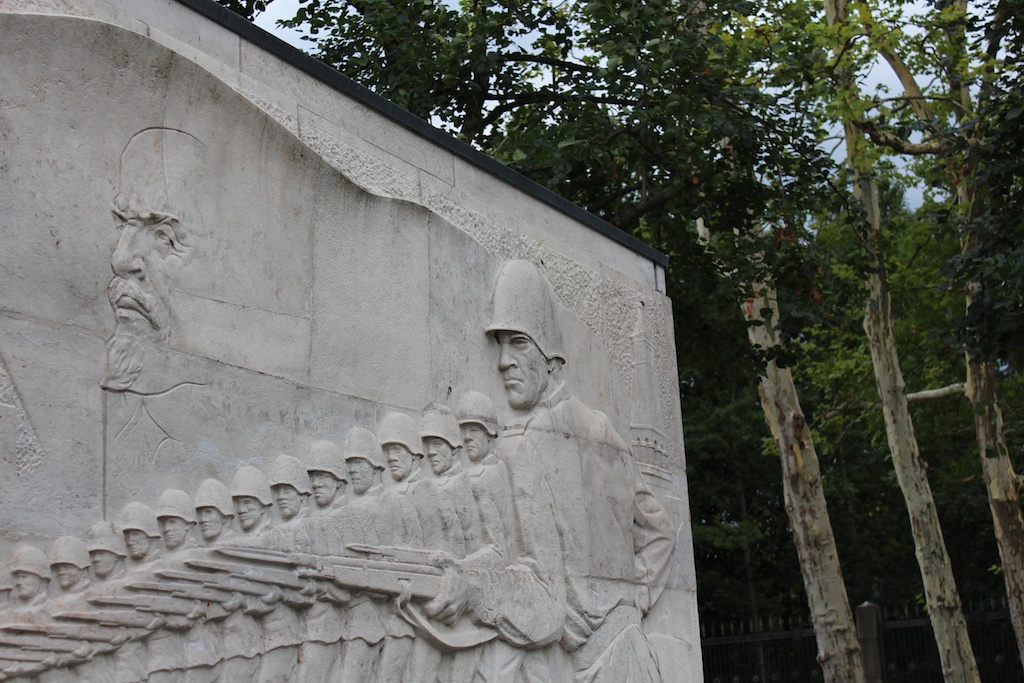
Each with detailed carvings of military scenes and quotes from Joseph Stalin….

IMG_2622

This particular sarcophagus shows Soviet soldiers charging into battle below the ghost of Vladimir Lenin….

IMG_2623

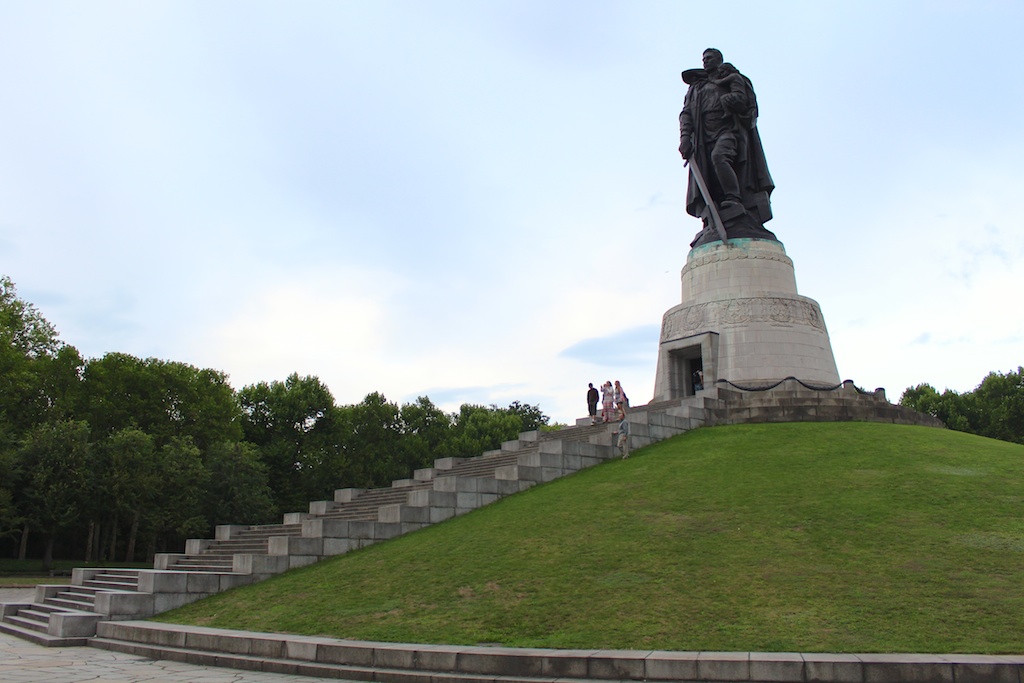
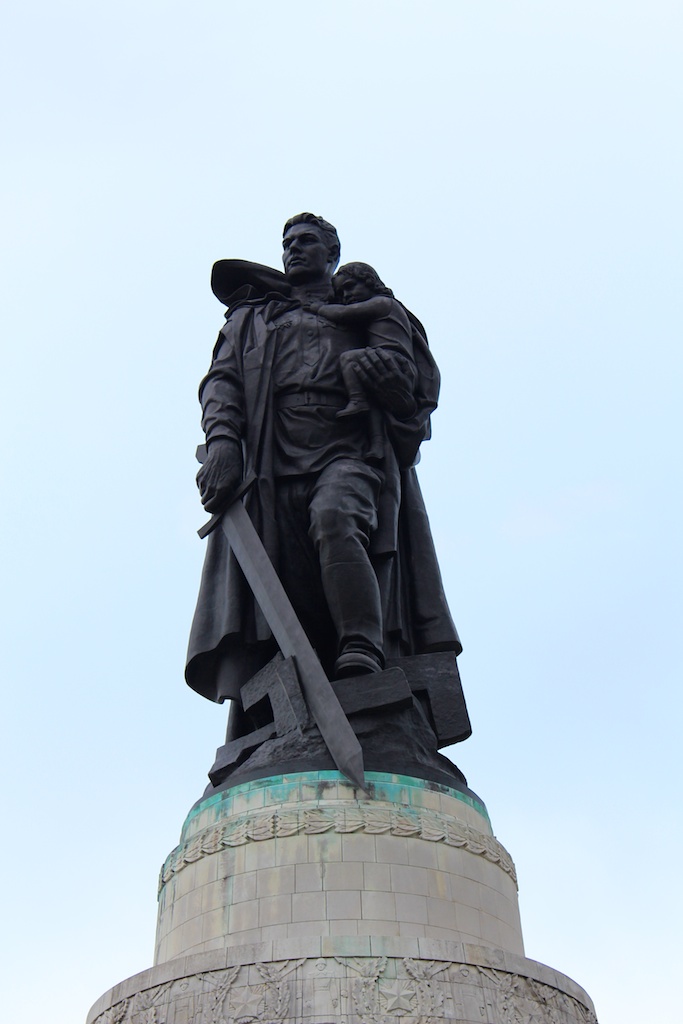
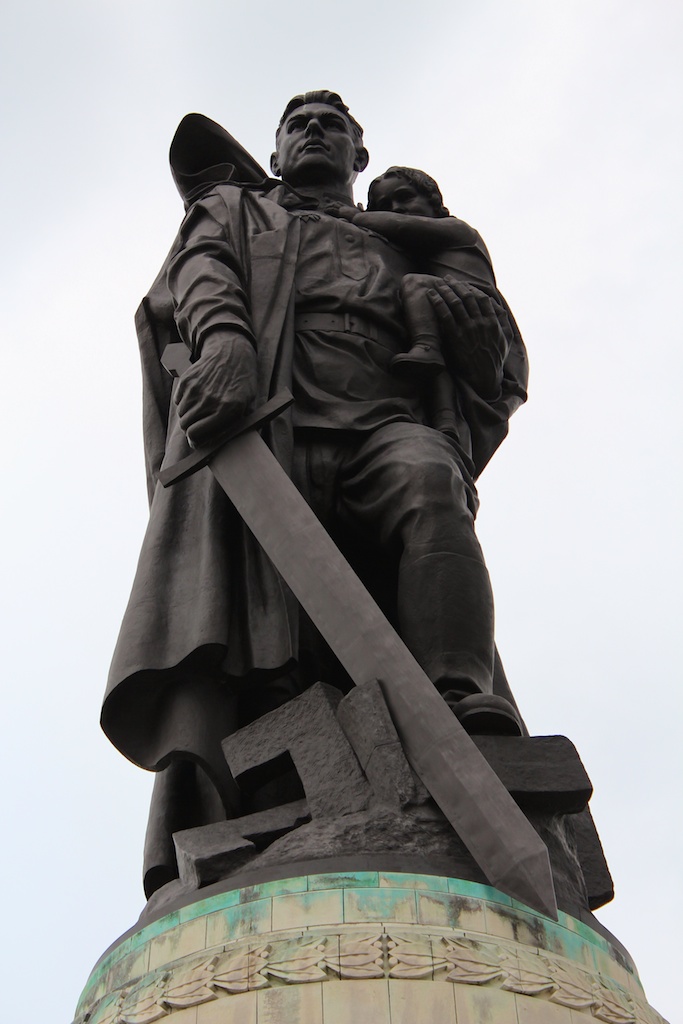
Watching over the graves and acting as the centrepiece of the entire memorial is a hugely imposing 12 metre statue upon a stone plinth….

IMG_2627 - Version 2

It depicts a Soviet soldier carrying a German child while cutting a swastika in half using a giant broadsword….

IMG_2629

As you climb the steps leading towards the statue, you begin to feel extremely insignificant in relation to the looming figure….

IMG_2632

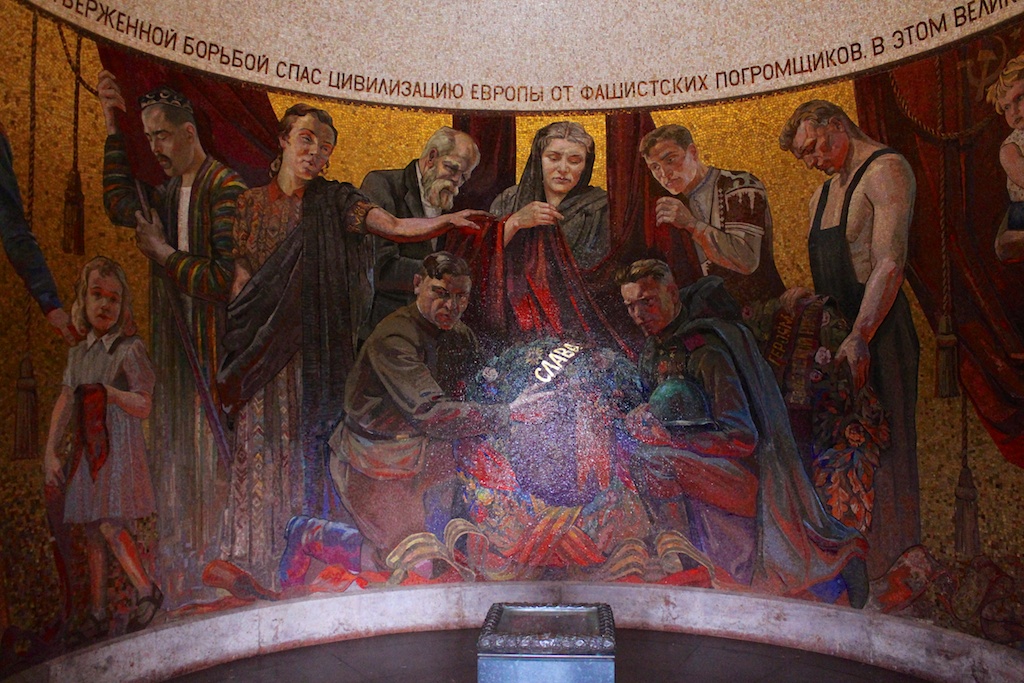
Inside the stone plinth is a circular room containing a mural of Soviet people….

IMG_2640

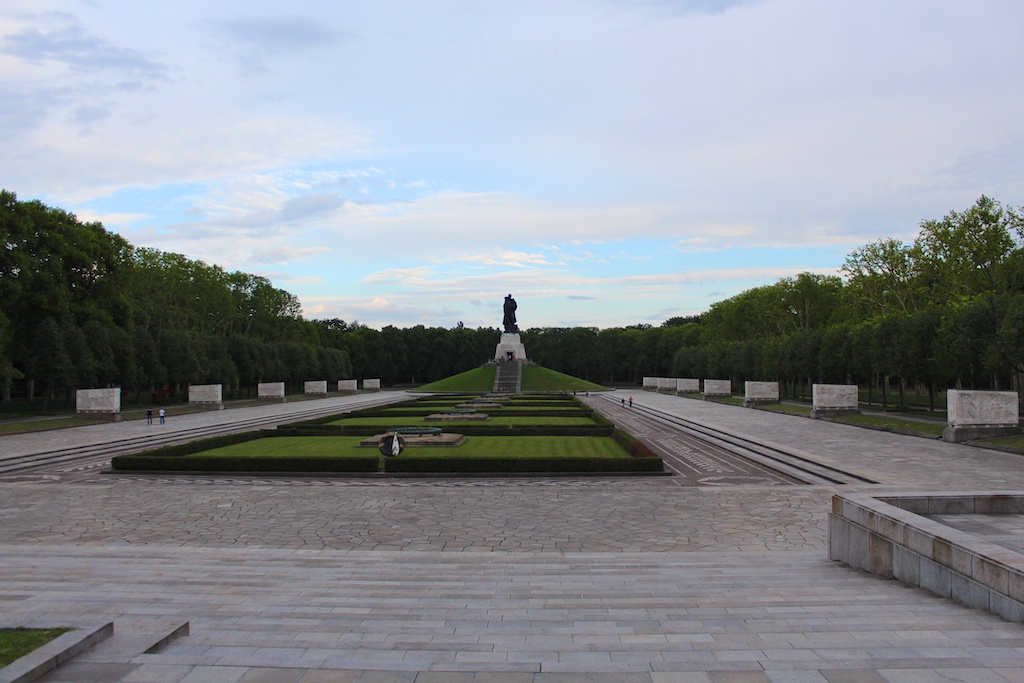
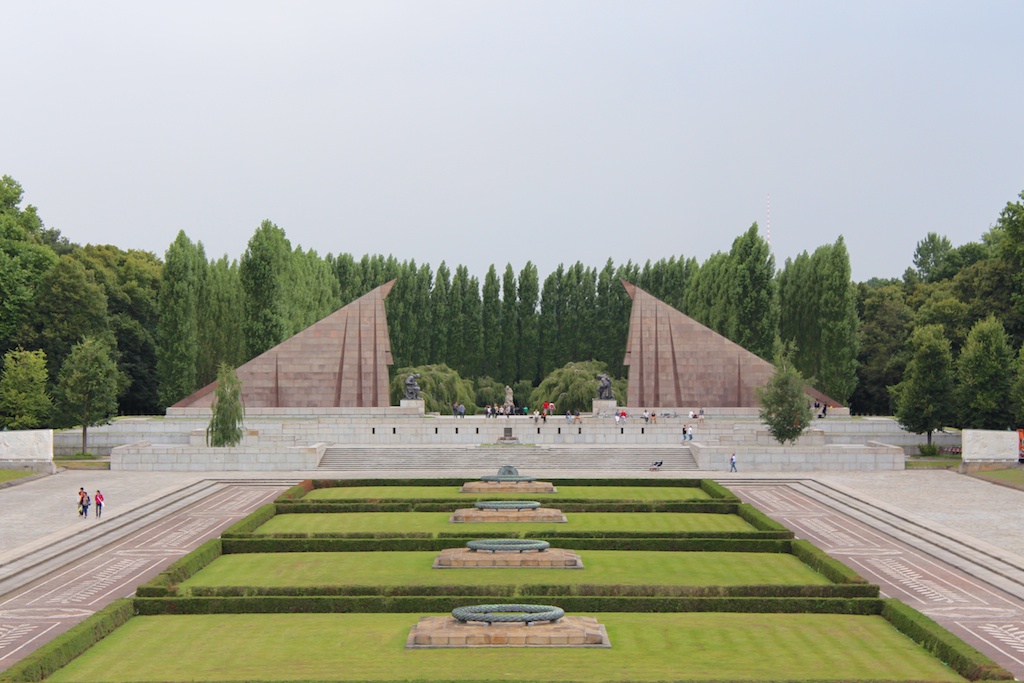
From the top of the plinth, the whole memorial can be seen….

IMG_2635

From here, the true scale of the memorial can be appreciated. The enormity of it is at times overwhelming which is likely the effect intended by the architect Yakov Belopolsky….

IMG_2634

As you spend time at the memorial, you begin to realise that the 5,000 soldiers buried underneath the manicured lawns aren’t the only ghosts that haunt the vast space. The spirit of a once mighty empire, now long dead, can also be felt as you walk around. The memorial was built at a time when the Soviet Union was on the rise and well on the way to becoming a world superpower. The grandiose architecture is evidence of this and demonstrates how important grand symbolism was in Soviet life. Today of course, the Soviet Union is no more and the Treptower Park Memorial serves as a reminder of the transitory nature of powerful empires.

Favourite Photos #5

Shanghai Tower Under Construction

2010 | Photographer Unknown

This photograph shows the concrete foundations of the Shanghai Tower being laid down back in 2010. When completed next year, it will be the second tallest building in the world. There are many things I love about this photograph including actually how much the photographer has managed to squeeze into the composition. My favourite thing about the photo however is the way all of the machines look as if they are thirsty animals drinking from an oasis.

Unfortunately I can’t find who the photographer is but if anybody reading this knows, please let me know.

Folk Tale

Today I came across this fantastic little parable. Unfortunately I could not find an author/source for it.

A stranger walked through a village wearing a hat. It was painted red on one side, white on the other, green in front and black behind. Later that evening the villagers were sitting around discussing the stranger. One who had been working in a field to the west of the village described him one way, another who had been in a field opposite vehemently disagreed, while another who had followed the stranger into the village called both of them liars. The argument heated up. They began to fight.

Top 20 Films of 2012

This may get said every year, but 2012 was a truly great year for film. With new films from Malick, Mendes, Tarantino, the Wachowskis and Paul Thomas Anderson, it was extremely difficult to make this list. 2012 was an especially good year for documentaries too with a handful that had some really interesting things to say.

Before we move on to the actual list, an honourable mention goes to; Liberal Arts, Arbitrage, The Sessions, Sightseers, Ginger & Rosa, Les Miserables, Marley, Shadows of Liberty, McCullin, Moonrise Kingdom, On The Road, Frankenweenie, End of Watch, Babeldom and Canned Dreams.
20. Chronicle
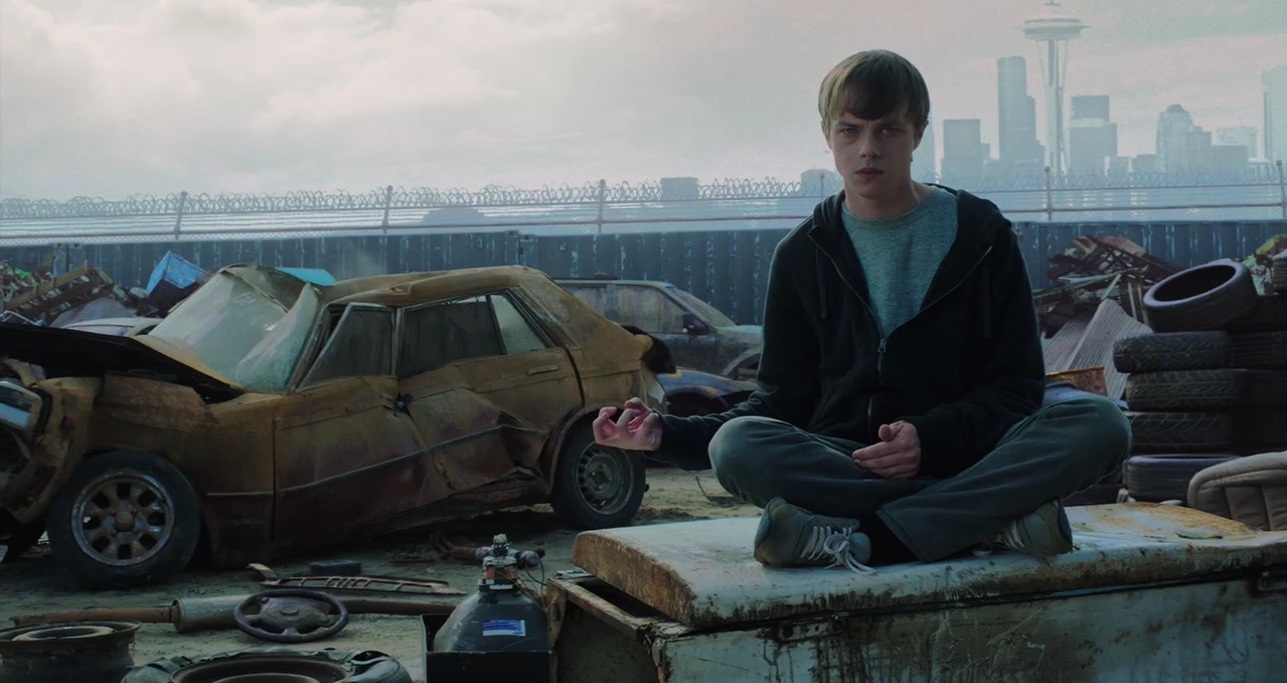
Chronicle caught me off guard. Released in the fifth week of the year, it was hidden amongst a cluster of Oscar contenders and initially looked as if it might be another Skyline. It turned out to be quite the opposite. The film takes a unique look at the possession of super-powers and has some very impressive special effects to boot. All-in-all, Chronicle is an extremely original film that builds until the action-packed finale.


19. Lore
The indoctrination of children with Nazi ideals by their SS parents is a subject many film makers would find hard to approach. Not Cate Shortland however. In Lore, she has crafted a beautiful yet poignant coming-of-age film that tackles some extremely interesting ideas. Set at the end of WWII, the atmosphere throughout is dark and at times close to apocalyptic. The film contains a huge amount of humanity however which only adds to its emotional strength.


18. The Cabin in the Woods
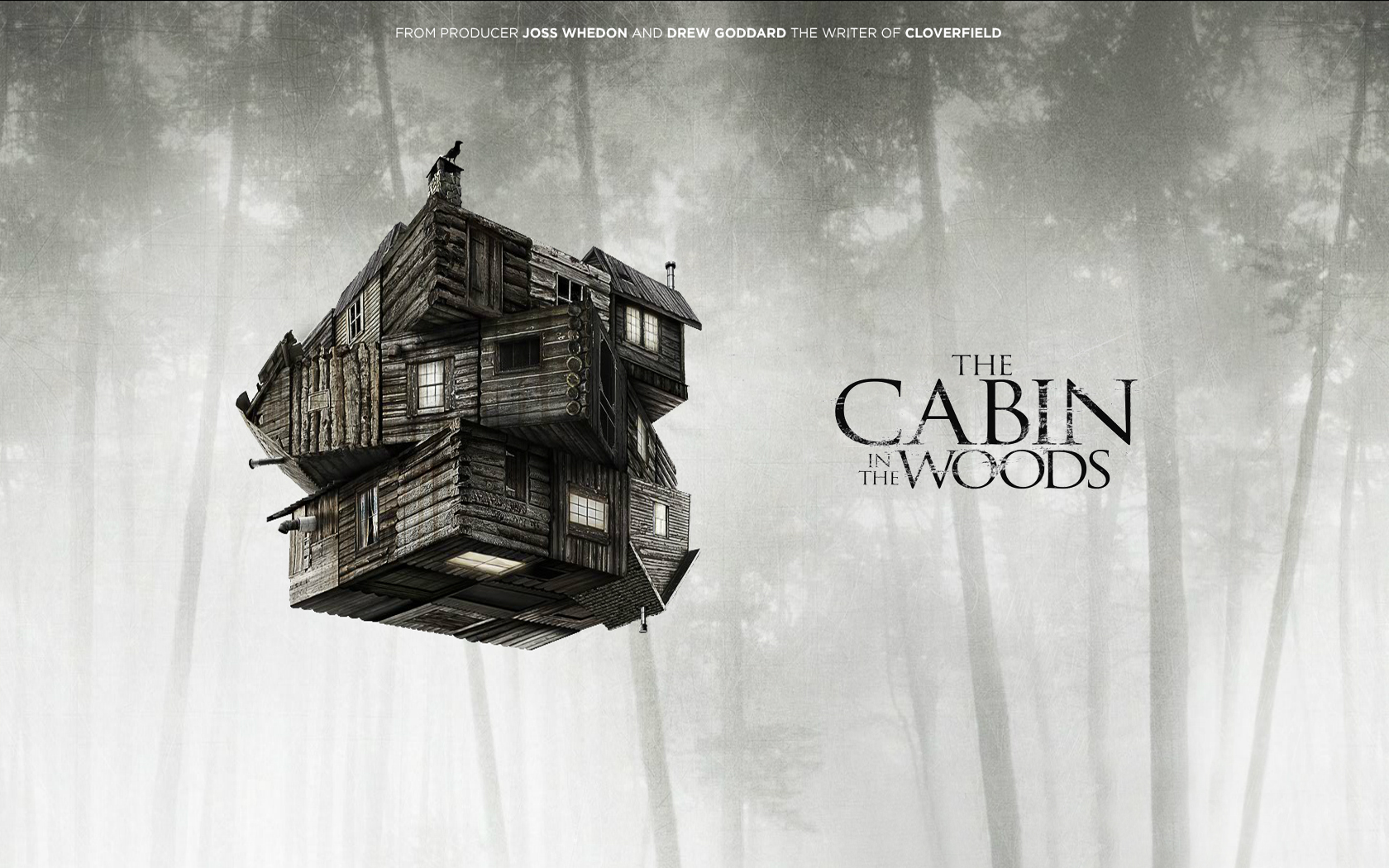
Joss Whedon was probably best known in 2012 for his super-budget blockbuster Avengers but far superior in my opinion is his much smaller film The Cabin in the Woods. The less you know about the storyline, the better but I will say that the story – like Chronicle – is highly original and contains a healthy dose of satire.


17. Searching for Sugar Man
This is the story of how Rodriguez, a 70’s singer-songwriter from Detroit, failed to gain fame and fortune in his native country and spent his life living in poverty while simultaneously, unbeknown to him, selling millions of records in South Africa and Australia. The film tells the story with great energy and enthusiasm and is without doubt one of the best documentaries of the year.


16. The Imposter
Like one of those Channel 4 documentaries that seem to simply be a platform for exhibiting freaks on prime-time television, The Imposter draws you in by its premise alone. The film tells the true story of a 23 year old French man who claims to be the missing 16 year old son of a Texas family. It is a prime example of truth being stranger than fiction and will have you on the edge of your seat from start to finish.


"The Impossible"

15. The Impossible
Telling the true story of a family caught in the middle of the 2004 Indian Ocean Tsunami, The Impossible is both deeply harrowing and immensely up lifting. The film achieves a sense of realism that few modern films can equal by ditching the special effects in favour of a giant water tank.


14. Ruby Sparks
Ruby Sparks is another film that caught me off guard. At first it seems like your average rom-com but as it goes along, it begins to get darker and a lot more interesting. By the end it has posed some pretty interesting questions and will definitely be getting a re-watch from me.


13. The House I Live In
If The Wire isn’t enough to convince you that the War on Drugs has failed, this hugely insightful documentary by Eugene Jarecki will definitely do the job. By interviewing everybody from addicts to police officers, politicians to judges, Jarecki puts forward a cohesive argument that will leave all but the most authoritarian lawmakers questioning their previously held views on drugs.

12. Skyfall
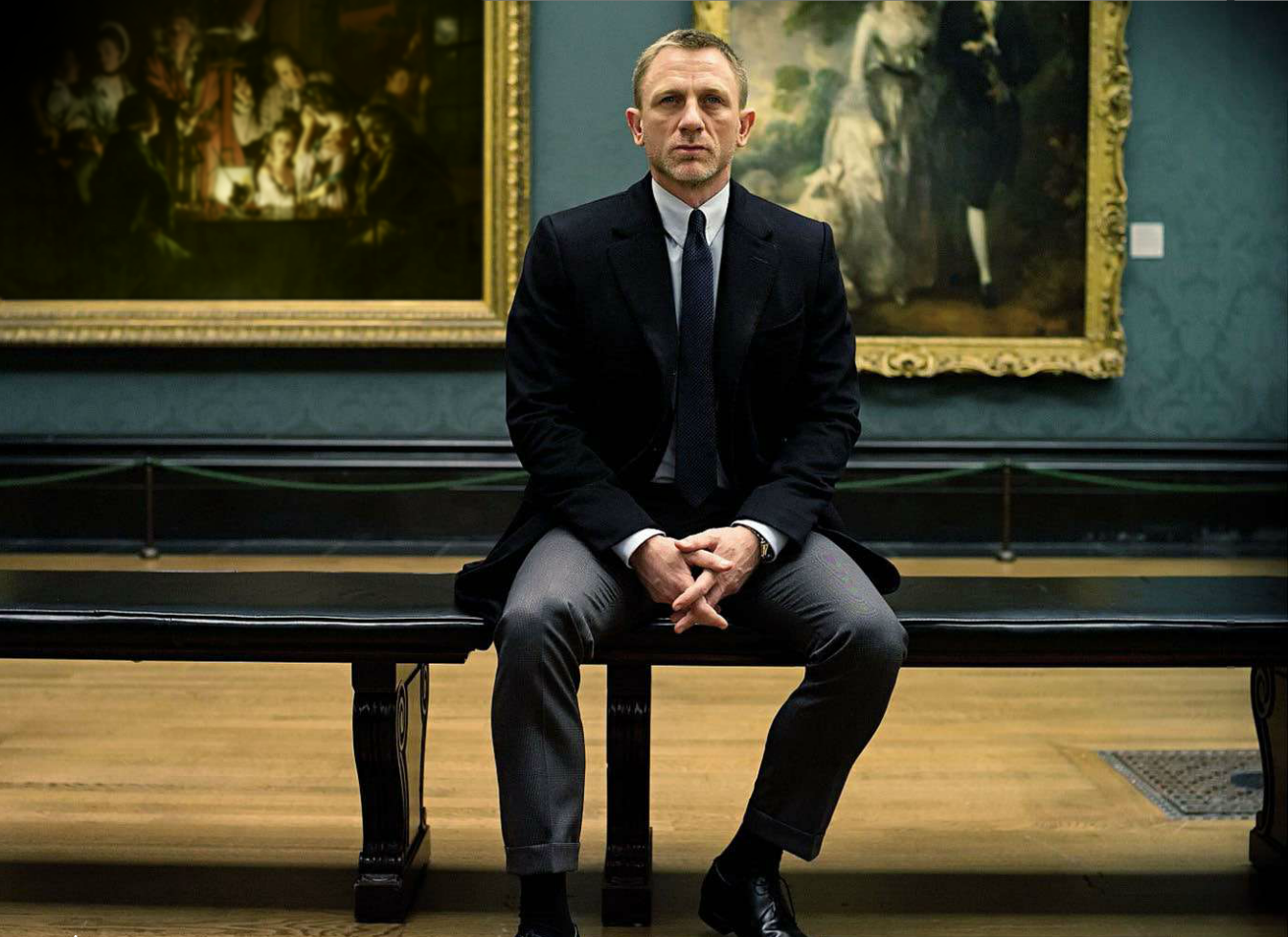
As soon as I heard that Sam Mendes was taking the reins of the 23rd Bond film, my ears pricked up. When it was announced that Javier Bardem was starring as the villain, I got excited. Skyfall doesn’t disappoint. By stripping it down and building a solid, character-driven story from the ground up, Mendes has perhaps created the best Bond film since Goldfinger. It’s gritty, sincere and most important of all, extremely well acted. Bond purists and newcomers alike will not be disappointed by this fantastic addition to the series.


11. Beasts of the Southern Wild
I have no idea how this low budget indie flick got a mainstream release but boy am I glad it did. The fact that Quvenzhané Wallis was only five years old when she played the leading role only adds to the fact that this is one of the best stories to appear in 2012. The enchantment and pure thirst for life that flows from each frame of this film is a true sight to behold.
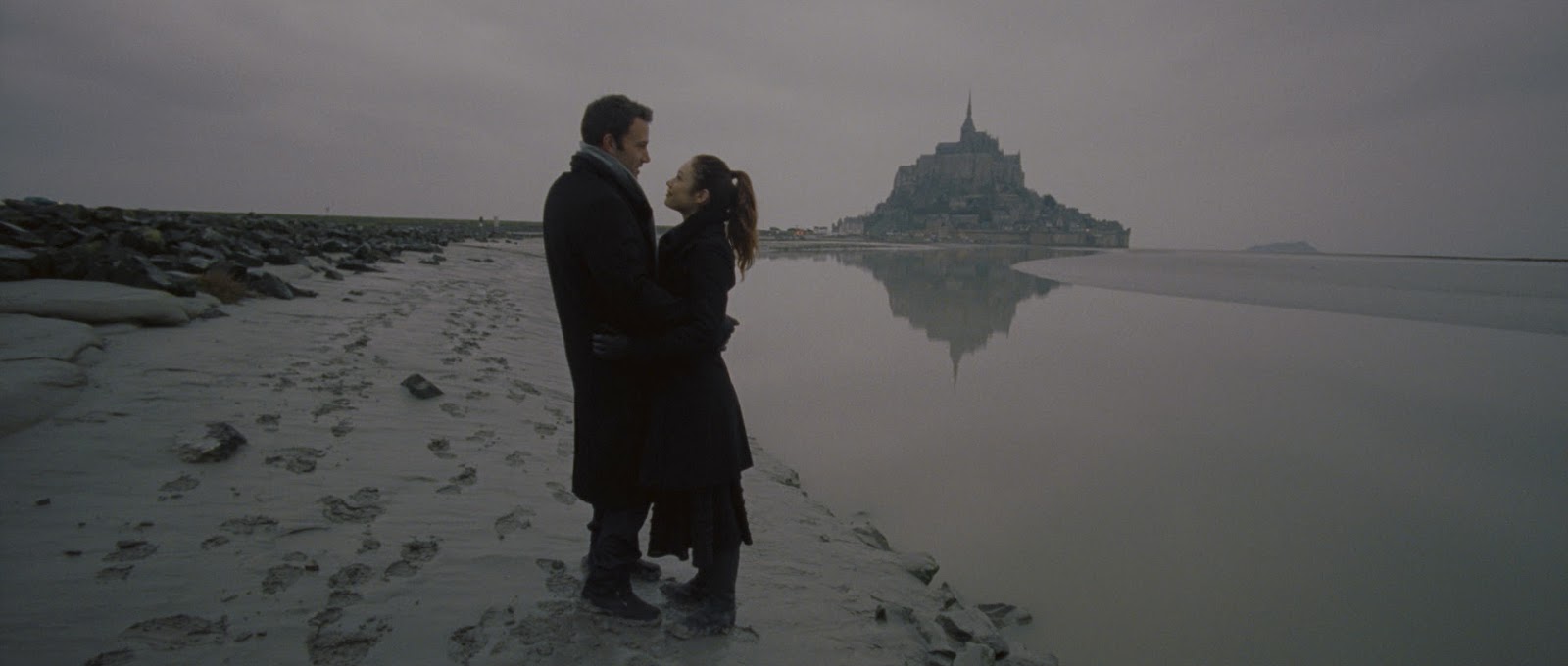

10. To the Wonder
Terrence Malick is a genius. That much is undisputed. Every single one of his films are simply dripping with his thirst and curiosity for life. There are many however that feel his more recent work has become slightly pretentious and meaningless. I wholeheartedly disagree. To the Wonder is not only a beautiful and mesmerising work of art, it also explores deep and complex ideas that few filmmakers are brave enough to touch.


9. Amour
Amour is an extremely touching film about love, growing old and one of the World’s greatest taboos: death. At times it is difficult to watch due to its sheer emotional gravitas but ultimately it is a triumph of cinematic realism that draws you right into the hearts of the characters involved.
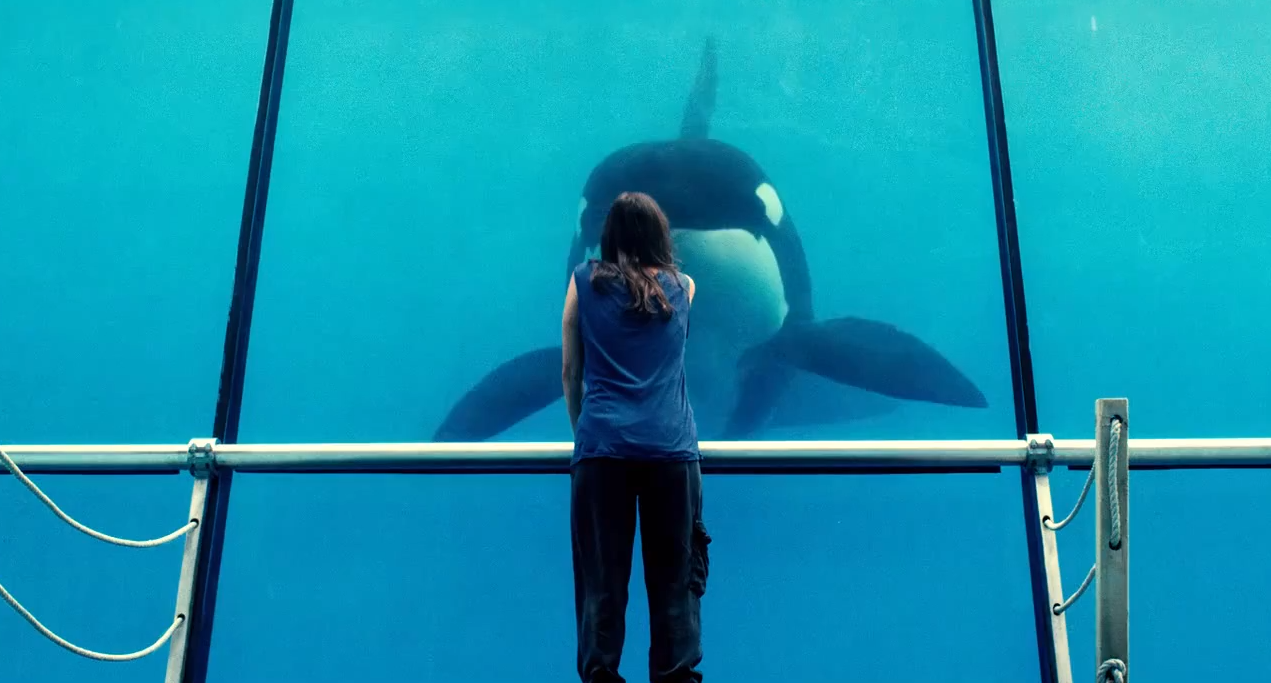

Rust and Bone

8. Rust and Bone
Marion Cotillard and Matthias Schoenaerts give two incredible performances in this gritty but beautifully told story. From start to finish it is somewhat of an emotional roller coaster ride, taking you from the lowest of lows to the highest of highs and proves that French cinema is in better health than ever.


7. Django Unchained
While not as good as some of his past work, Tarantino’s latest is still miles ahead of most other films. The script is fantastic and Tarantino manages to somehow tease yet another outstanding performance from Christoph Waltz. While the subtext of the film is not as ground breaking as some claim, it still raises some important points about slavery and civil rights. Whatever you may say about Tarantino, he is still one of the best writers in Hollywood today.


6. Silver Linings Playbook
Our society literally has no idea what to do with those who suffer from a “mental illness”. It is almost considered taboo sometimes and rarely gets talked about as openly and with as little stigma attached as it should. Silver Linings Playbook tries its hardest to correct this. On the surface, it can be seen as a simple rom-com but there is so much more to it than that. It is a beautiful character study of two people who both struggle to live their lives because of the mental illness from which they suffer. The thing that really draws me to the film however is, as Brett Easton Ellis put it: “Silver Linings Playbook grabs the audience by the lapels and shrieks Feel! Feel! Feel!”. In a World overwhelmed with mediocrity and an increasing lack of emotion, we need more films like Silver Linings Playbook.


5. Life of Pi
Life of Pi is a beautiful philosophy-rich film which is not only unafraid to ask big questions but does so with style, panache and sincerity. I’m sure much of this is owed to the original novel but Ang Lee still does a marvellous job of bringing this so called “un-filmable” book to the screen. The special effects are truly groundbreaking and likewise the cinematography is simply stunning, with a beautifully vibrant colour palate. As a family friendly hollywood film that leaves you not only with a smile but ideas to contemplate at the end, this is hard to beat.


4. Samsara
Like Baraka and Koyaanisqatsi before it, Samsara is a work of genius. I won’t say too much about it as I have already written an extensive piece about it here. I will say however that the art of film making doesn’t get much better than this and although it may be a bit too unorthodox for some people, if you let it simply wash over you, you may be pleasantly surprised.
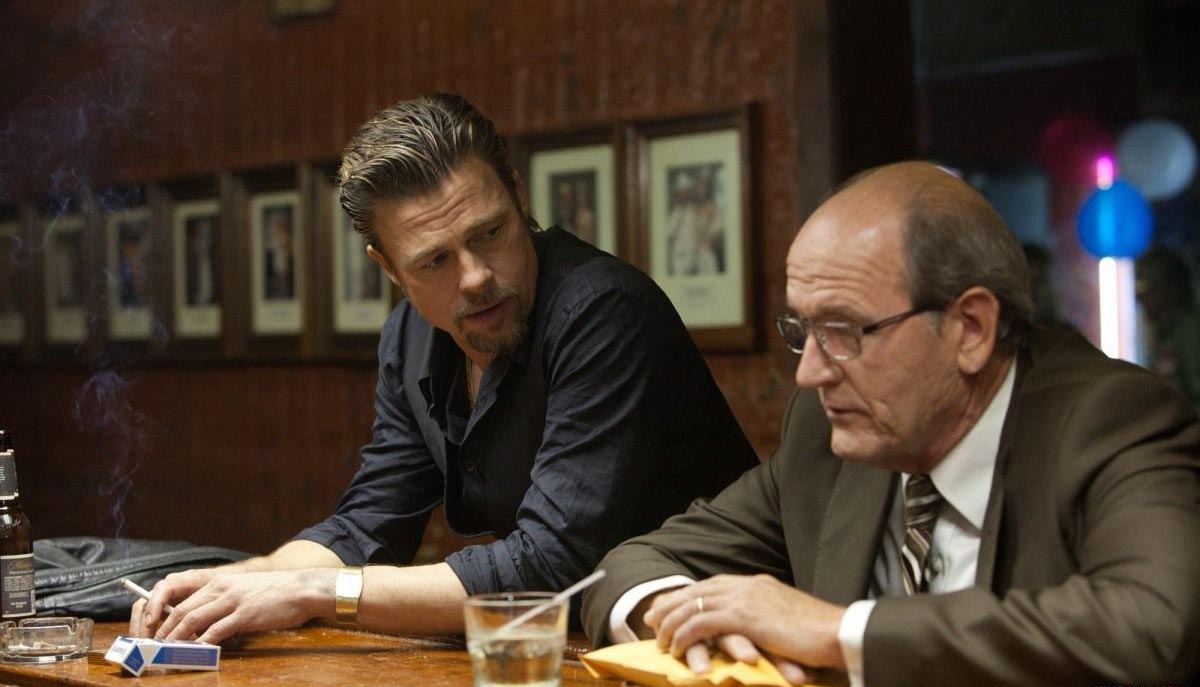

3. Killing Them Softly
Killing Them Softly has to be the most criminally underrated film of 2012. On the most basic level, it is a fantastic noir thriller set around the criminal fraternity of a decaying American city. The film reaches much deeper than this however and intelligently juxtaposes the 2008 economic collapse with the collapse of the local criminal economy. The acting is top draw with Brad Pitt, Ben Mendelsohn and Scoot McNairy all delivering fantastic performances and the choice of music is also brilliant.
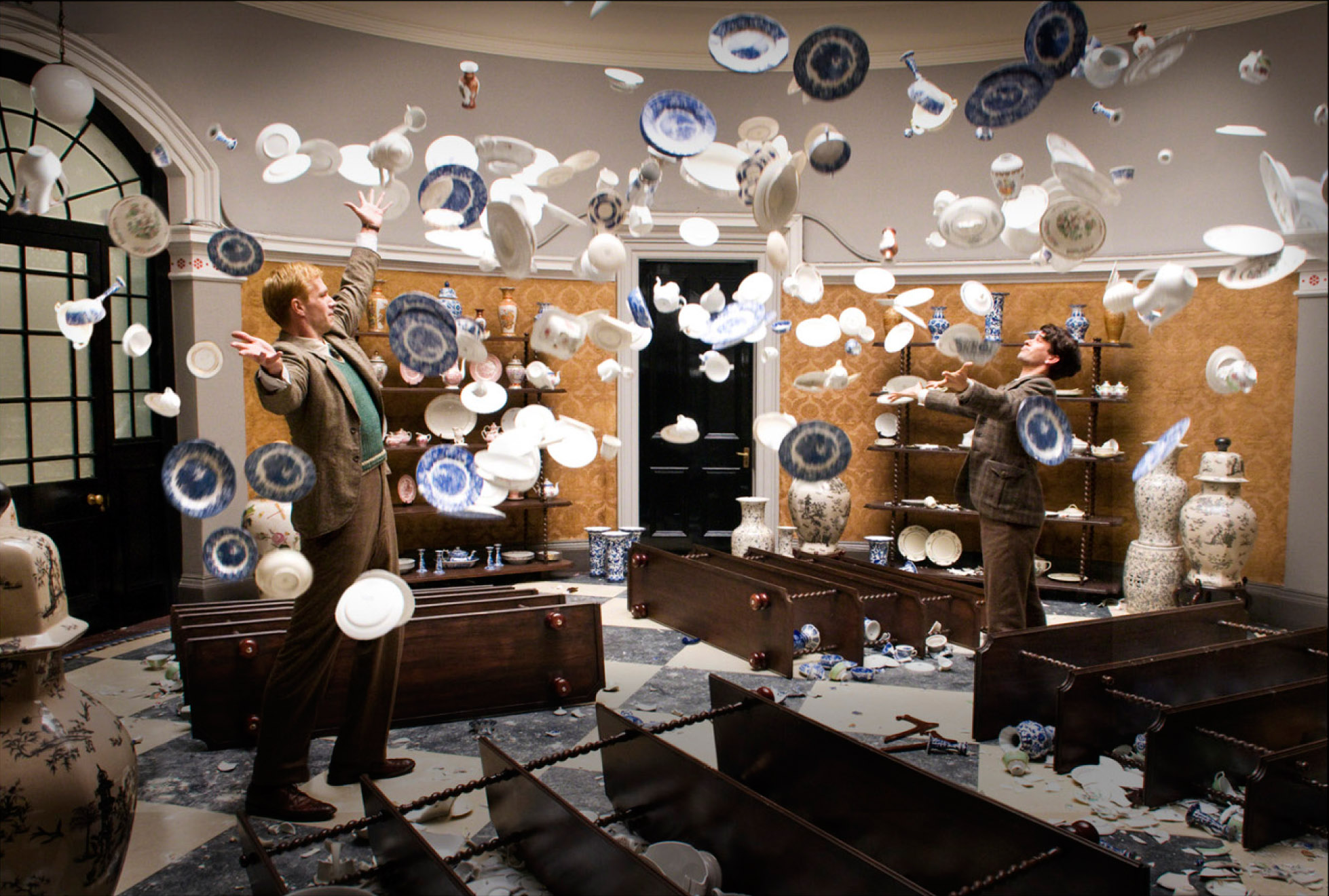

Cloud Atlas 2012

2. Cloud Atlas
In any other year, Cloud Atlas would be number one on this list. It is a very special film and I believe its true artistic value will only be realised in the years to come. It is impossible to describe the plot due to its sheer complexity, spanning 6 story lines in 6 completely different time periods from 1849 to the 24th century. I don’t think I have ever seen a film that has so much intellectual ambition while still presenting it in a format that is easily accessible. I still need to watch it again before saying anymore about it as there is so much that I missed the first time around but if there’s one film you see in the near future, make this it.


1. The Master
Paul Thomas Anderson is arguably the greatest living film director and The Master shows exactly why this is the case. From start to finish, it’s an absolute film making masterclass. PTA has some magical ability to squeeze the performance of their career from his leading actors and this is never more evident that in this film with Joaquin Phoenix and Philip Seymour Hoffman both giving performances better than any other in 2012. It is simply criminal that neither won an Oscar. The acting is only a small part of what makes this film a masterpiece however. The script, including the subject matter covered is truly fantastic but we have almost come to expect this from PTA these days. The cinematography is some of the most beautiful this year, shot entirely on 70mm film which makes it almost pop off the screen. I also had high expectations for Johnny Greenwood’s score which certainly didn’t disappoint. All in all, The Master is in a league of its own and I can’t see a film this decade coming anywhere near it, let alone this year.