A brilliant video essay explaining how the Centre National du Cinéma et de l’Image animée works, providing a sustainable funding model for French moving image culture, as well as helping to push Film forward as a radical, constantly evolving art form.
Category: Uncategorized
Emma Stone Interview – The-Talks
It’s definitely gotten better as time has gone on. I’m not so hard on myself — a lot of it was the pressure that I would put on myself. I’ve learned that anxiety in its essence is fear. And what is the major fear? Fear of death. There is nothing else to be afraid of. So utilizing the positive side of that, there is this excitement for life, you know, they say anxiety is excitement without breath. So if you breathe through it, it becomes excitement.
January means the annual appearance of David Ehrlich’s latest Best Films of the Year video.
Yes, it’s a simplistic purified distillation, a click-baity listicle at heart, a confection engineered to mine short-term cinephilic nostalgia – and yet these days, nothing rekindles my love for the incredible art form of Cinema, nothing reminds me what’s so magic about those 24 simple frames per second as much as David Ehrlich’s yearly treat.
The true magic, the actual Art, lies within the films themselves of course. However this doesn’t detract from the fact that Ehrlich is a master-editor who is able to make the best films of the year riff off each other to wonderful, emotive effect. He finds ways to draw out topical themes, strands of deeper meaning within the collective arc of the year’s artistic output, elevating their individual genius to an even greater teritory.
I often think of blogs as being like gardens. Our own tiny corners of the world that we tend, prune, water, tidy, grow. They are shaped in our own idiosyncratic image and we get out of them more or less exactly what we put in.
This one is more than a little unkempt. I have allowed the weeds to take over and the soil to go hard.
I would like that to change.
Richard Twentyman (1903-1979)

St Nicholas Church, Radford – Richard Twentyman, 1957
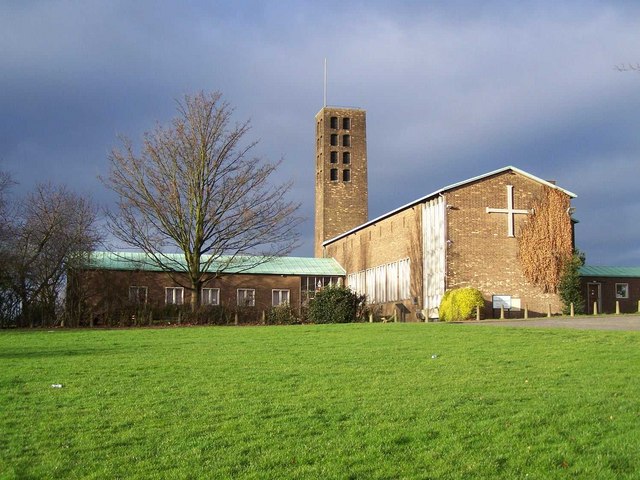
Emmanuel Church, Bentley – Richard Twentyman, 1956
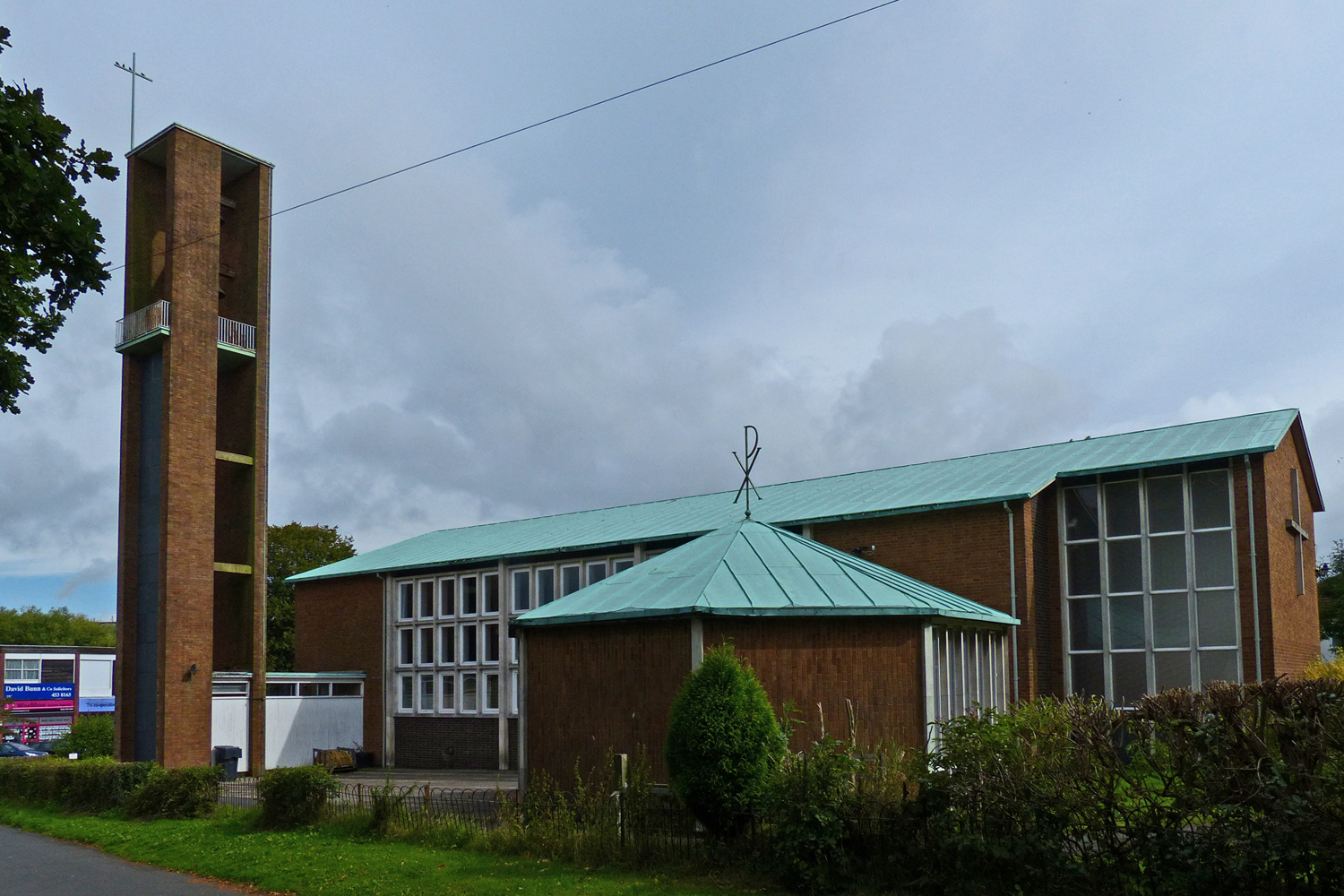
St Chad’s Church, Rubery – Richard Twentyman, 1960

All Saints Church, Darlaston – Richard Twentyman, 1952
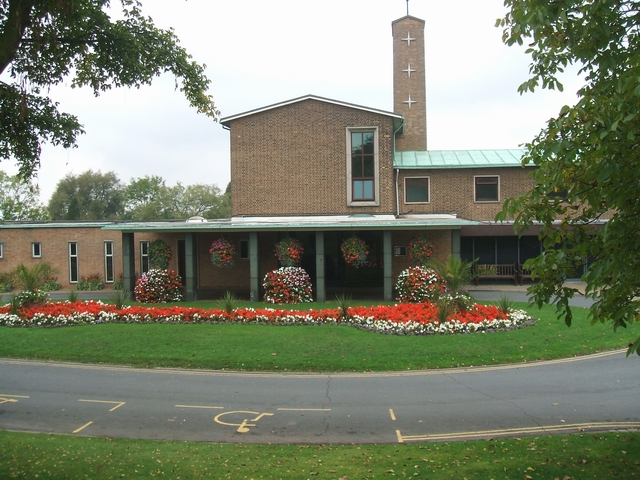
Bushbury Crematorium – Richard Twentyman, 1954

GKN Research Laboratories and Offices, Birmingham New Road, Wolverhampton – Richard Twentyman, 1954

Wolverhampton Gas Company Offices, Darlington Street, Wolverhampton – Richard Twentyman, 1938

The Pilot, Wolverhampton – Richard Twentyman, 1937

The Red Lion, Wolverhampton – Richard Twentyman, 1938

The Spring Hill, Penn – Richard Twentyman, 1937
Richard Twentyman, an architect from Wolverhampton, designed some wonderful Modernist buildings around the middle of the twentieth century, most of which (sadly unlike that of fellow titan of West Midlands-Modernism John Madin) can still be found standing around the Midlands today.
The influence of the Bauhaus is clear to see in much of his work, no doubt a result of his time spent studying at the radical Architectural Association in London during the 1920’s.
What I find particularly interesting about his body of work, is the curious and unlikely combination of pubs and churches that he decided to turn his hand to across the Black Country. Perhaps with Friday and Saturday nights drinking in the pub and Sunday morning at church, I quite like the idea that there were Black Country folk who may have spent most of their weekend in one of Richard Twentyman’s buildings, for one reason or another.

Sanctuary of Las Lajas, Colombia

Villa Majorelle, Nancy – Henri Sauvage
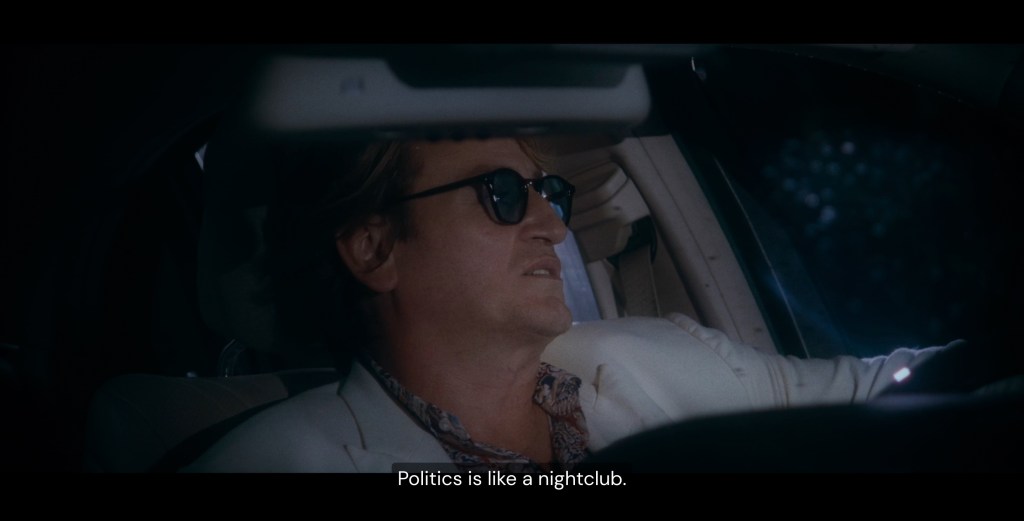
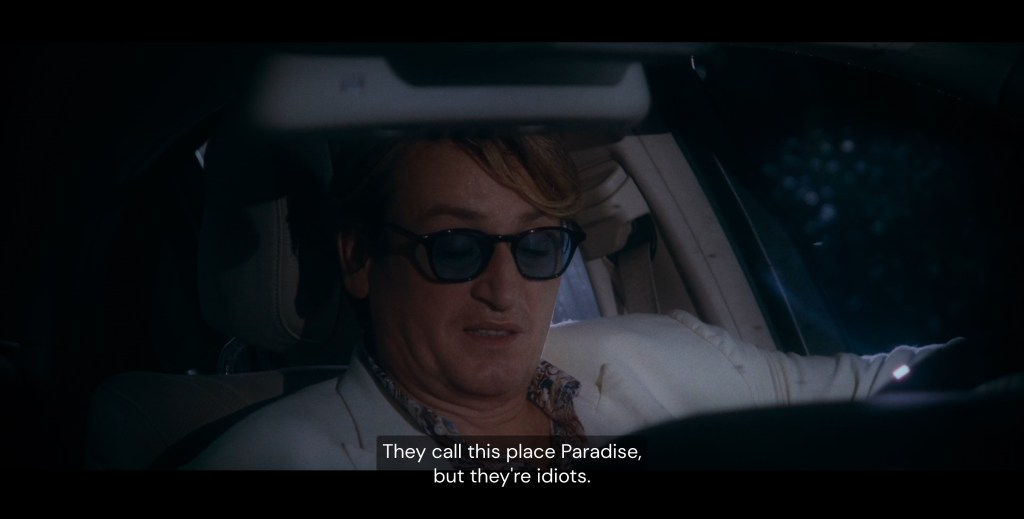
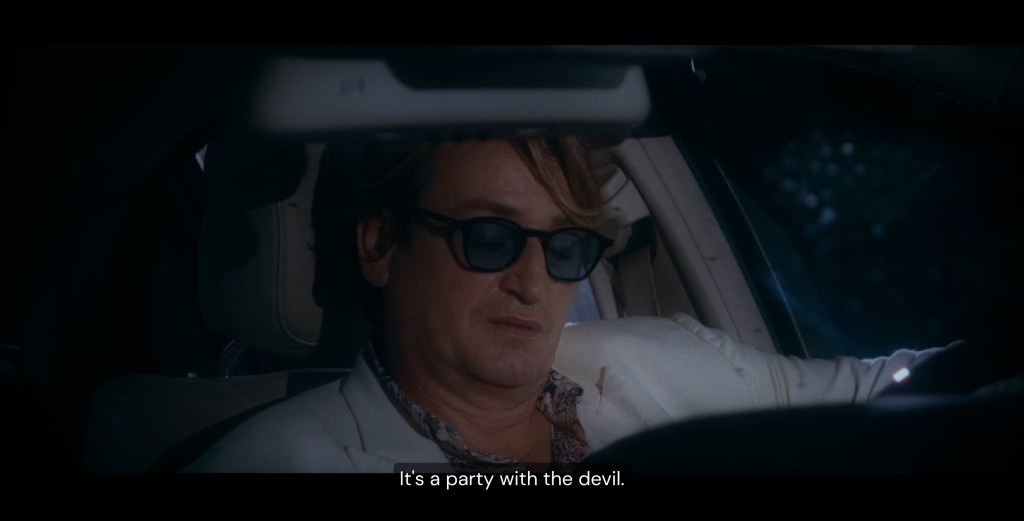
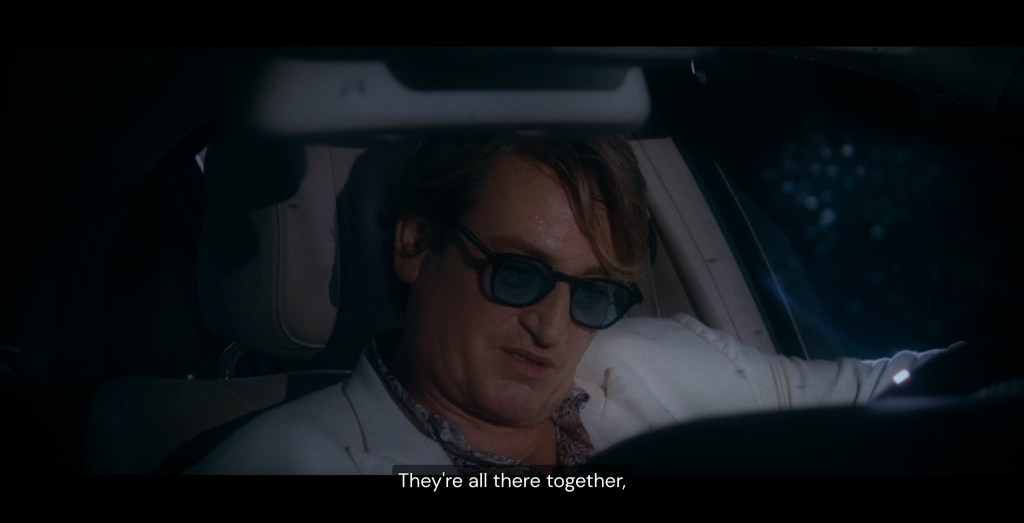
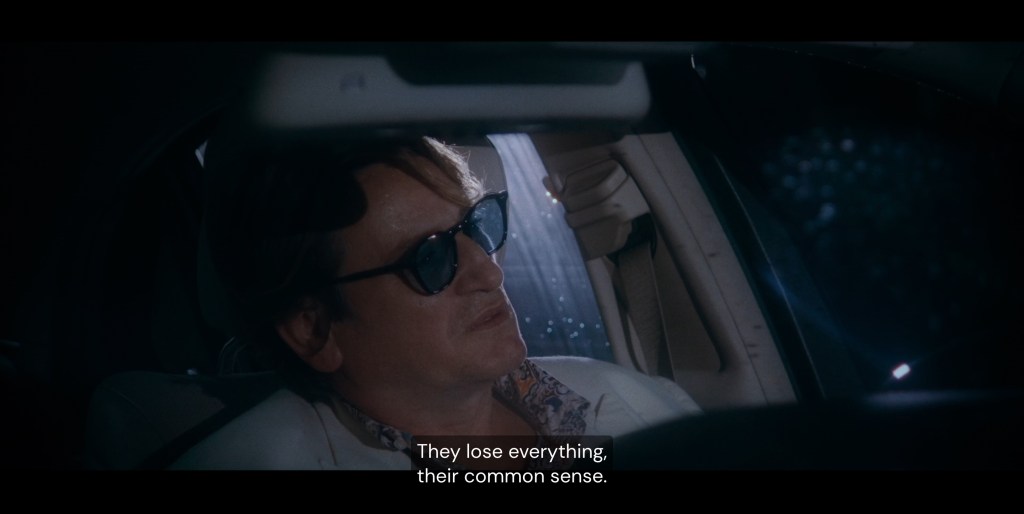
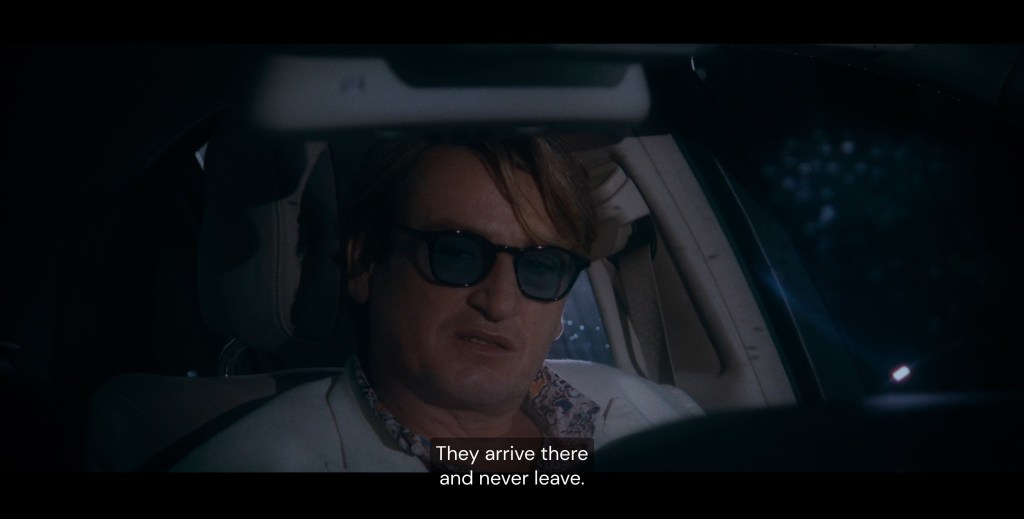
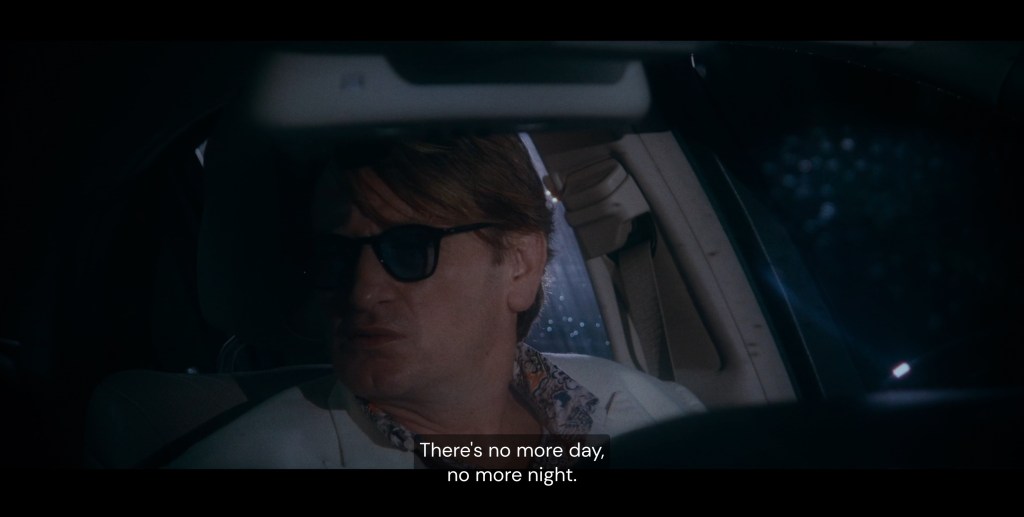
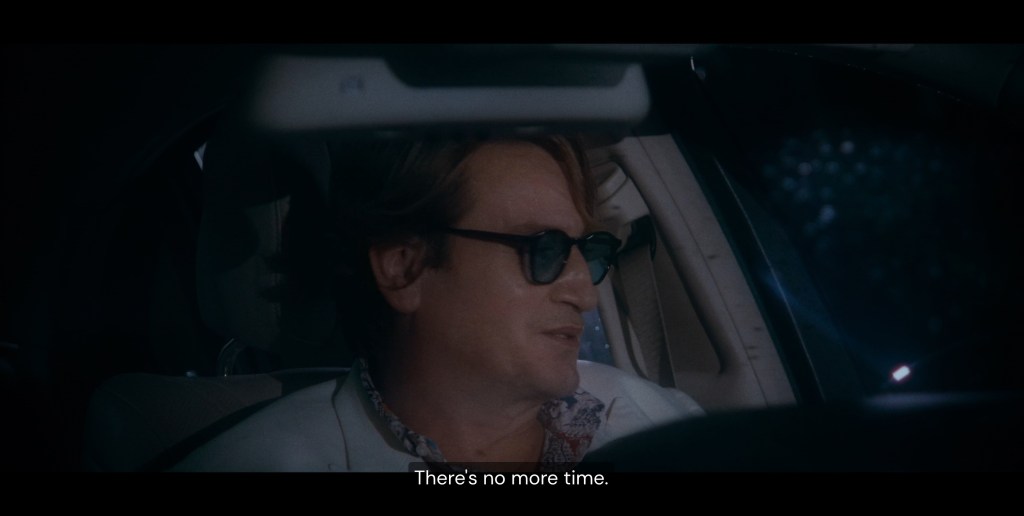
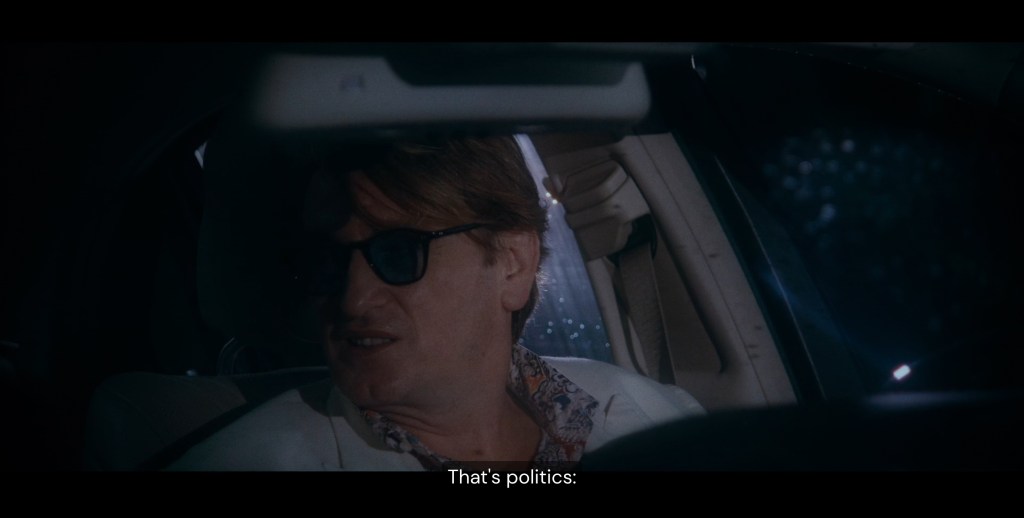
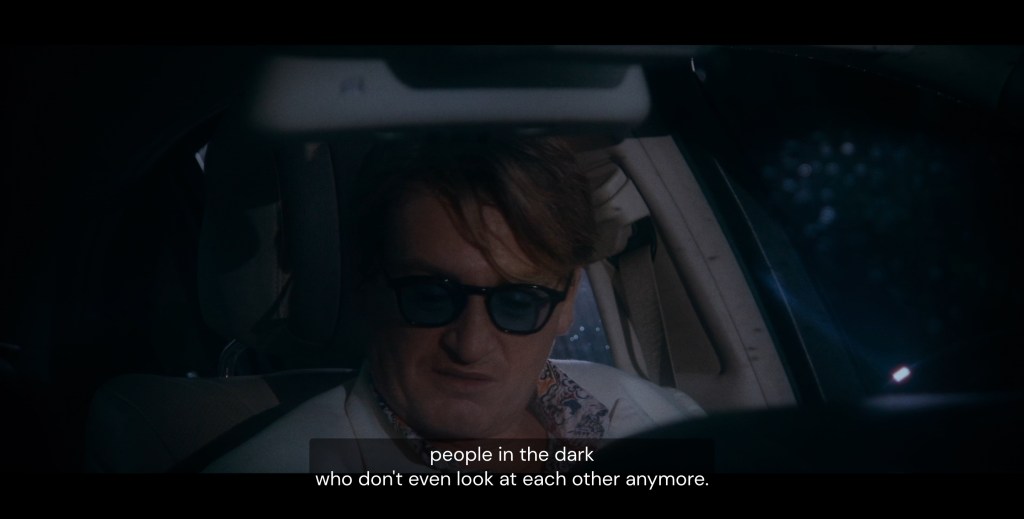
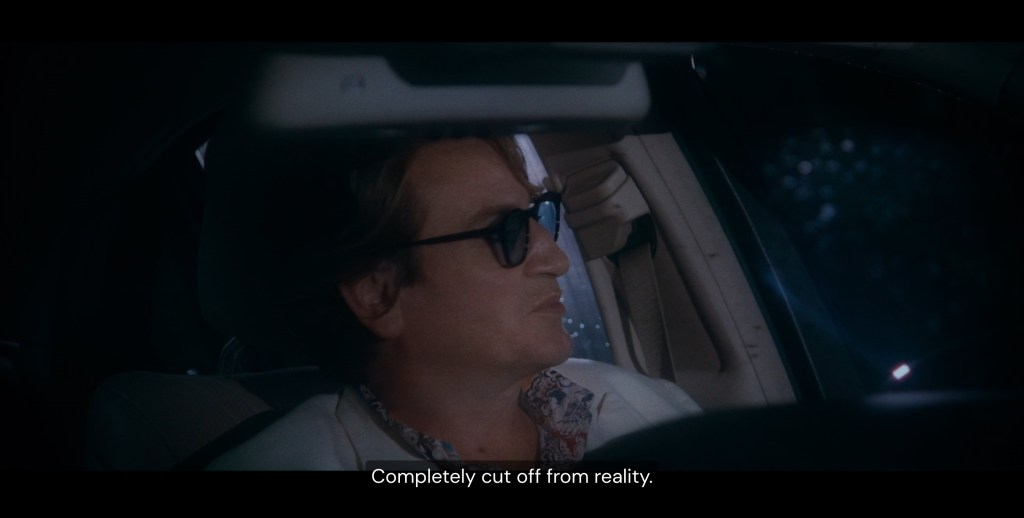
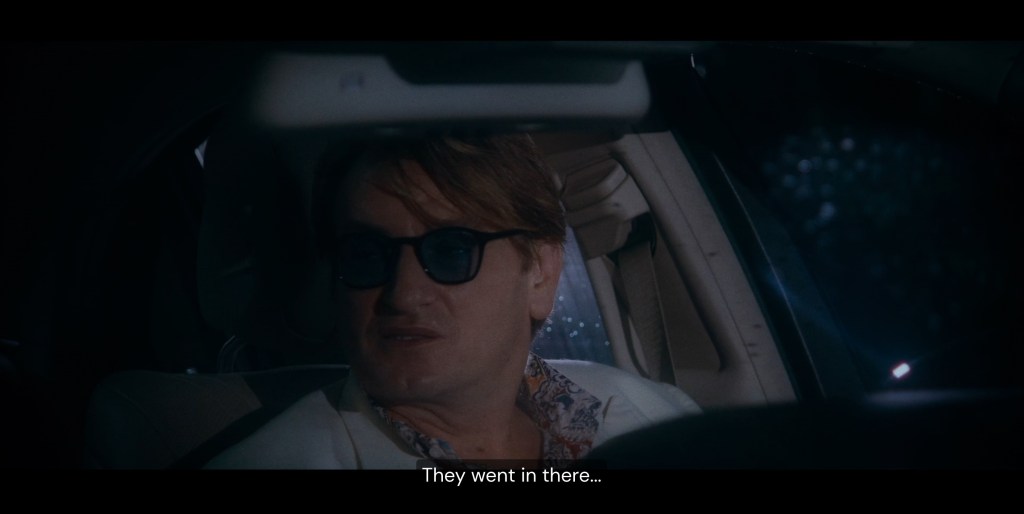
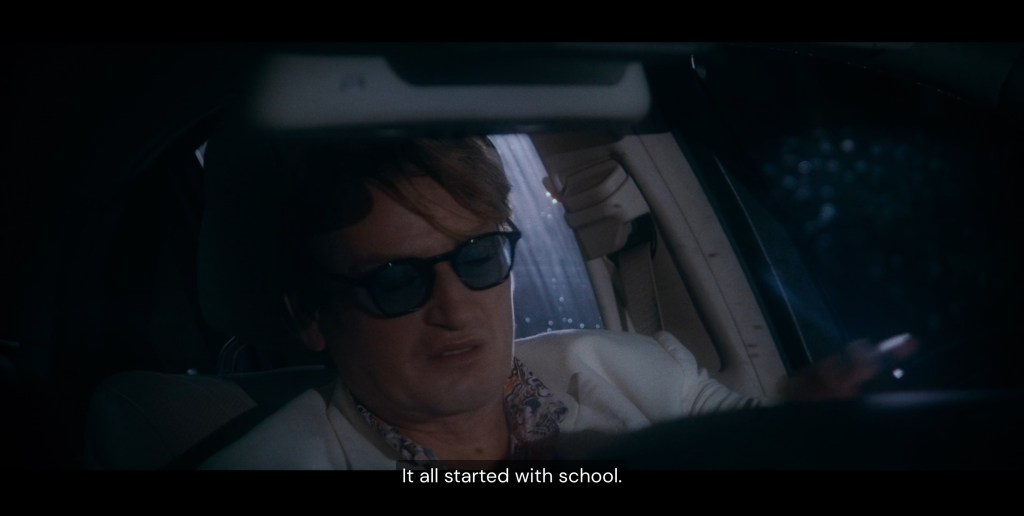
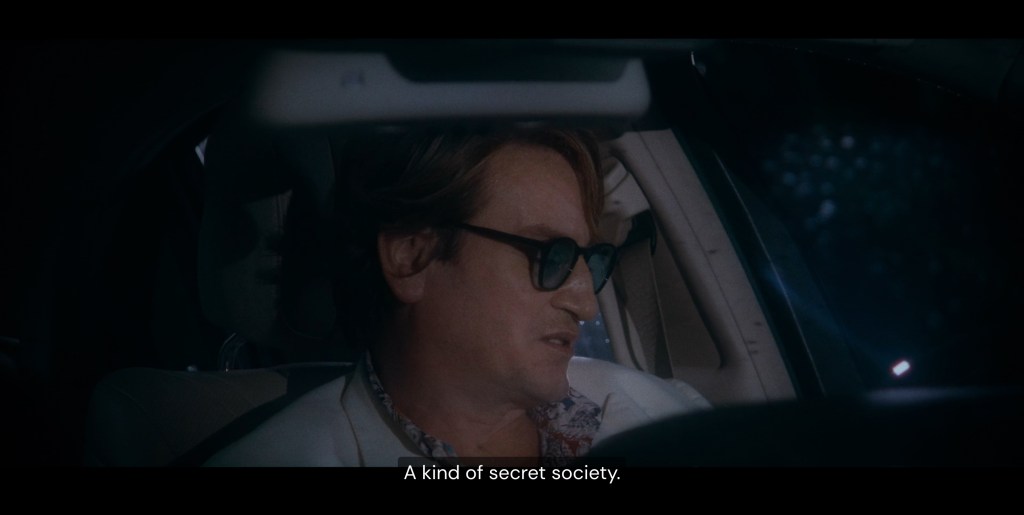
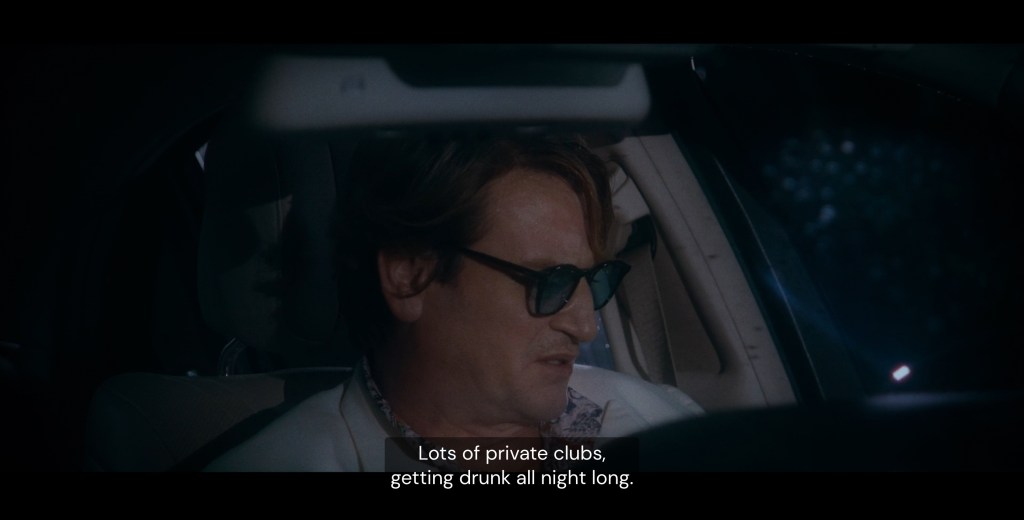
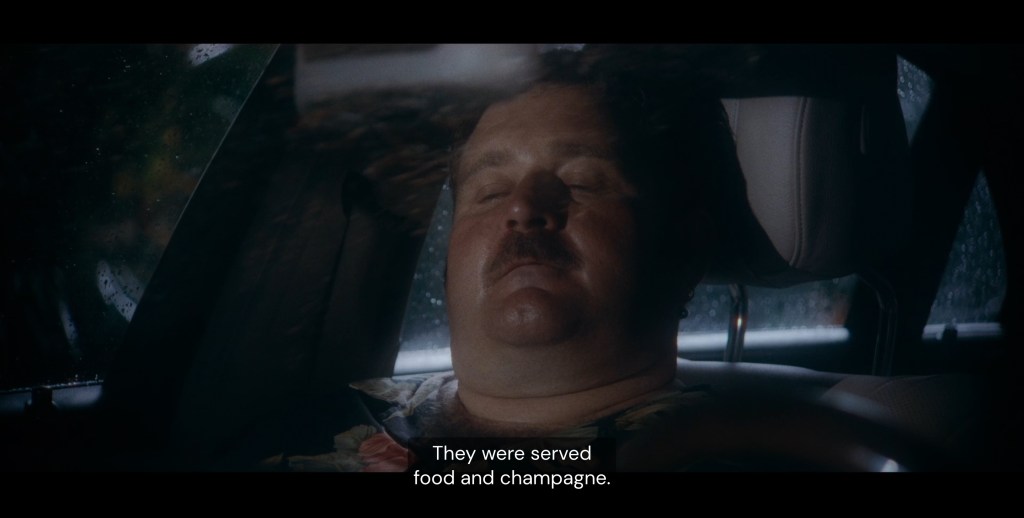
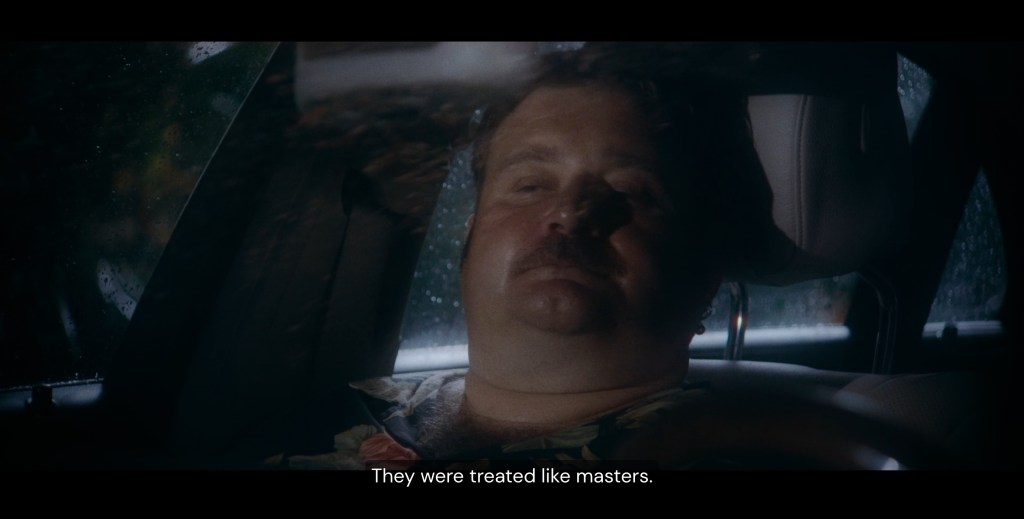
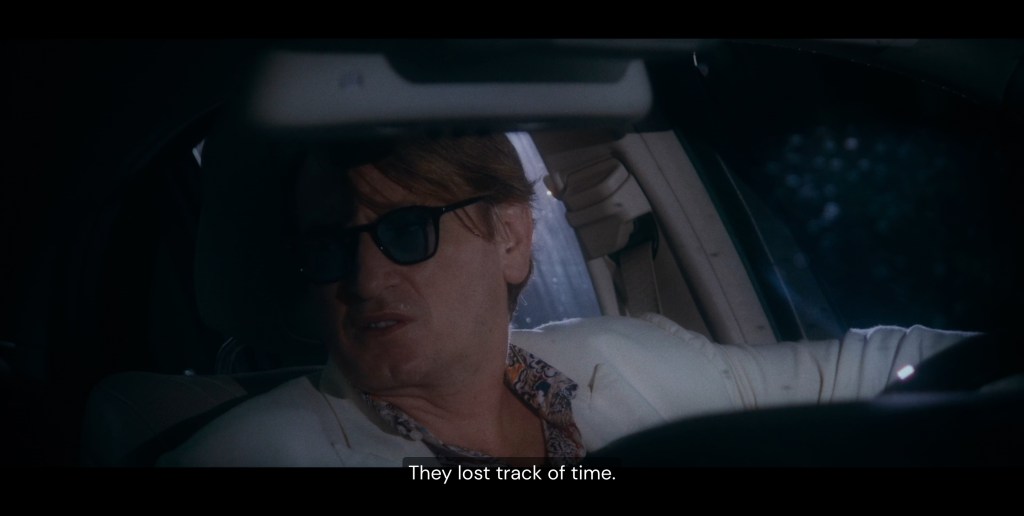
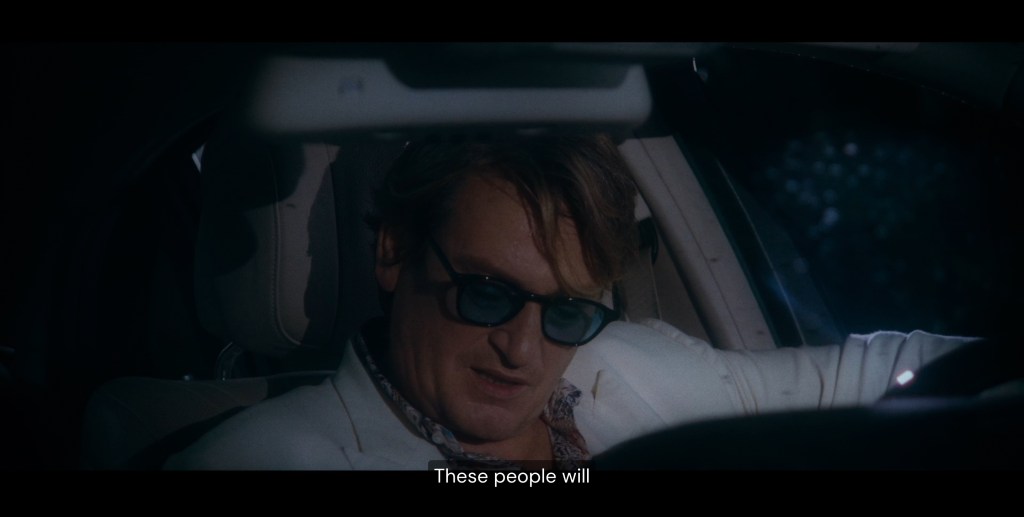
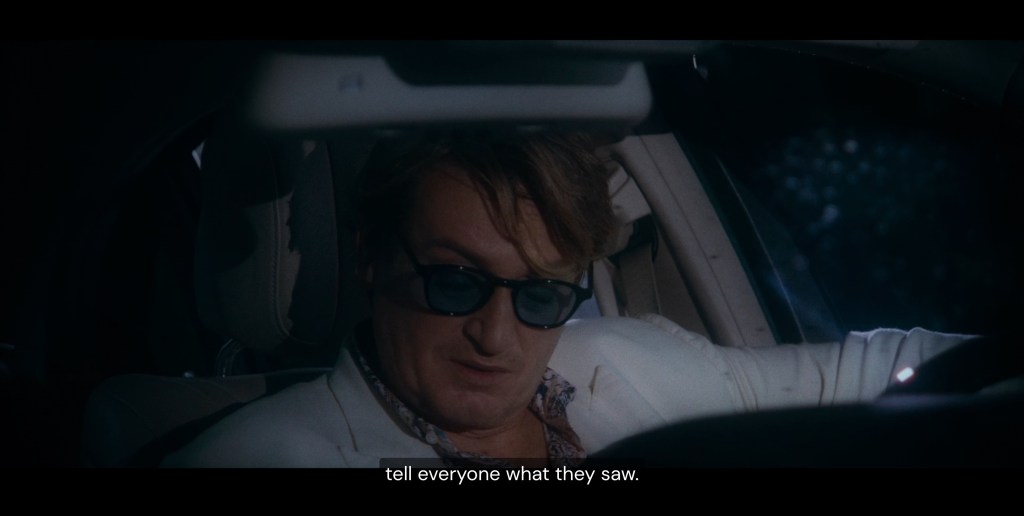
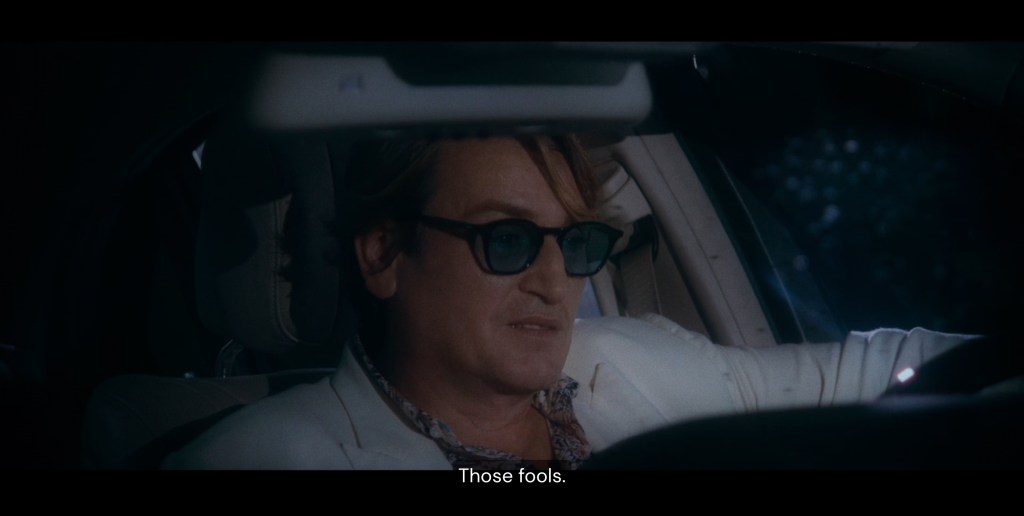
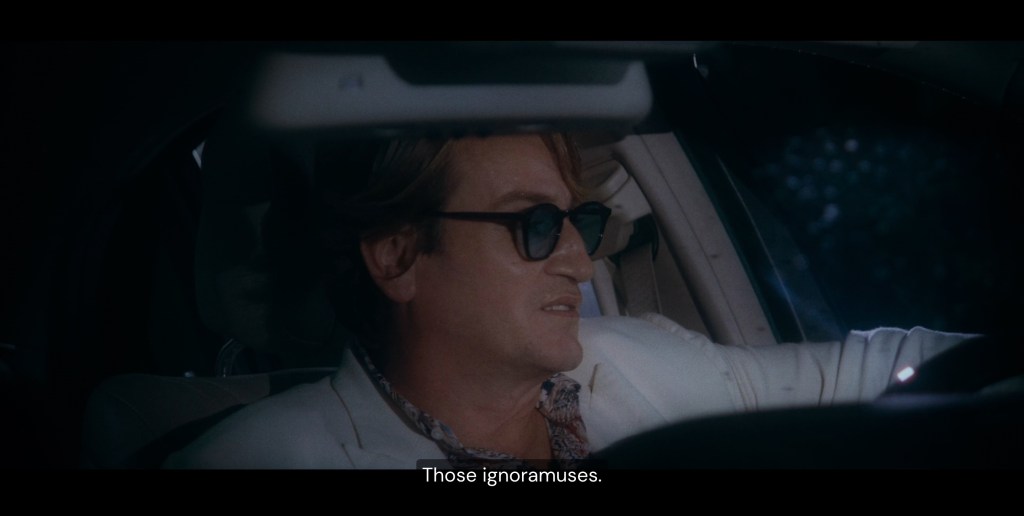
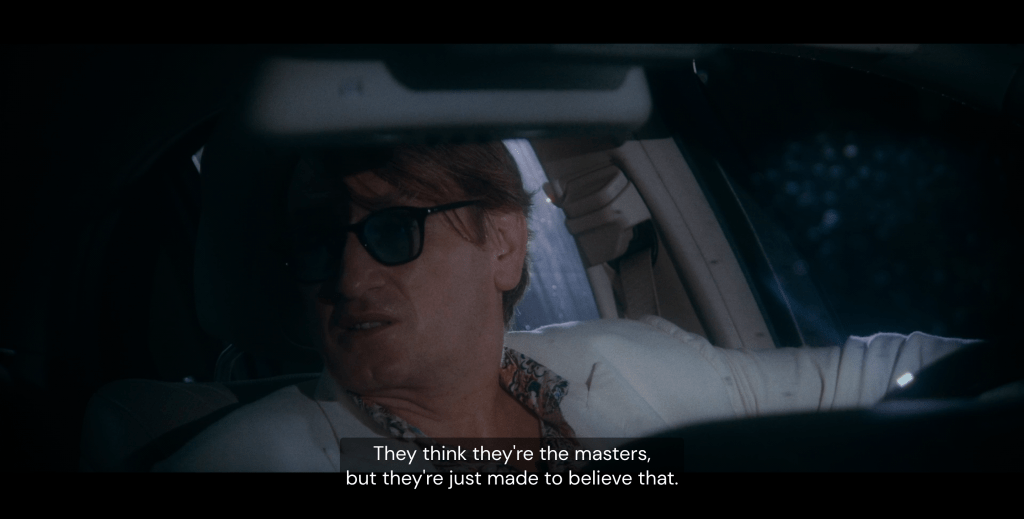
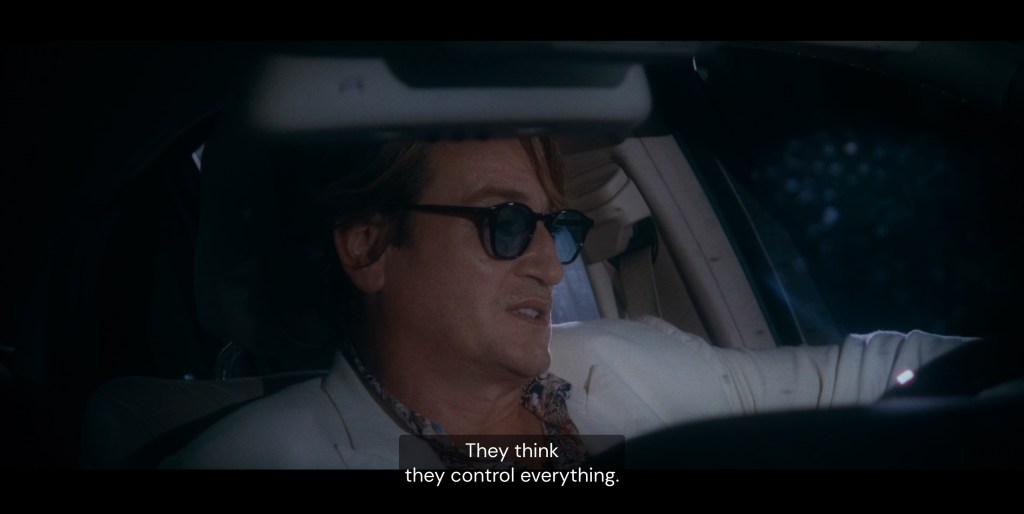
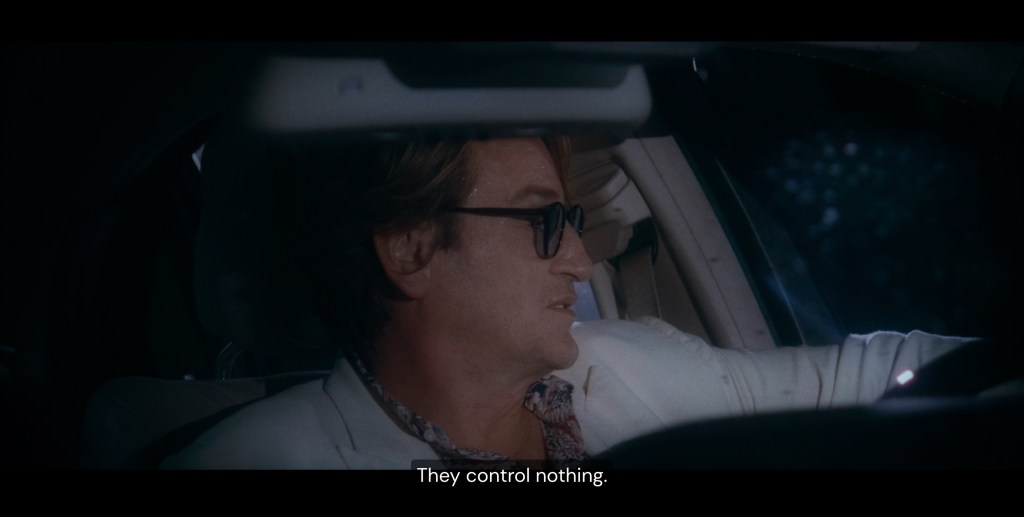
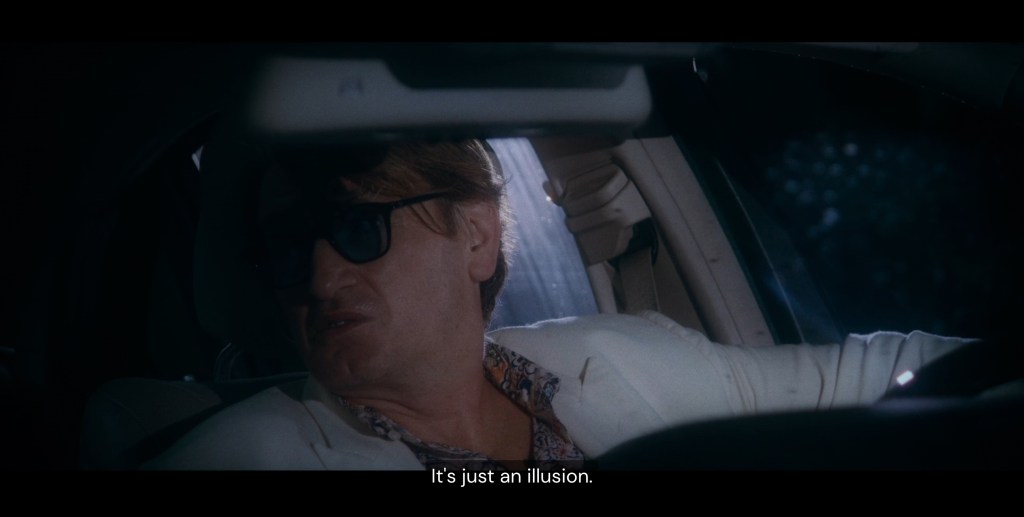
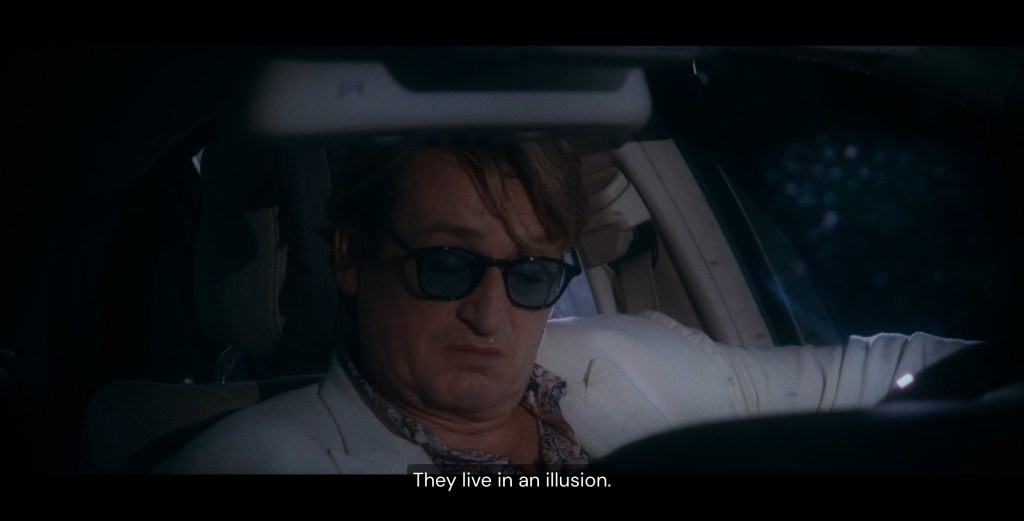
Pacifiction (2022, dir. Albert Serra)
So many things in life come down to that viscerally emotional cliff-edge between fear and love.
It’s not always clear how fear and love are connected. They are not exactly polar opposites as much as forks in the road – individual choices, up for grabs at any time we choose to embrace them, that will take us towards very different territories of lived-experience.
I increasingly think of this dichotomy when it comes to my incredibly sporadic relationship with cooking.
I do often enjoy the process of cooking; the technical intricacies, the exactness, the alchemical feel, and I almost always enjoy the end results no matter how badly they turn out.
But I don’t always enjoy the process. More often than not, it’s the motivation that I struggle with – the act of suppressing the negative thoughts that crop up before I even step foot in the kitchen. What if the end result is a failure, even after diligently following the recipe? What if the resultant pile of washing-up I create makes me miserable and ends up sitting on the worktop for two days afterwards? What if the recipe assumes I have a certain technical skill that I do not possess as I have not attended a fancy cookery school, worked in a professional kitchen or even been physically shown how to cook by another person? (how do I coddle an egg, emulsify mayonnaise or sauté vegetables?). What if it requires that I have a certain implement or machine that every kitchen but mine seems to have tucked away somewhere? (no, I do not have a mandoline, a mortar and pestle or a pie bird).
The thing I have learnt, over time, with all of these fears however, is they are just that; irrational fears, with very little foundation in reality and which very rarely come to fruition if I’m brave enough to simply grab the bull by its horns and step foot in the kitchen to give something a go.
Whenever I remember the love I feel for cooking certain dishes or developing particular skills in the kitchen, my muscles loosen, my heart soars and the motivation to cook comes flooding into me like a breached dam. When I think about baking with my Grandma’s rock cake recipe, cooking a curry for a group of friends and even chopping vegetables with my favourite, super-sharp knife or frying something in my well-cared-for carbon steel pan; my fear drifts away and the love I have for the alchemical process of cooking washes over me.
Cows and Peasants
Andrea Arnold’s documentary Cow presents the life of a dairy cow as sad, hard and painful as a result of the way she is exploited for her milk, daily, for almost her entire life.
Although never doing so explicitly, the film suggests implicitly that, because of this painful exploitation, the very practice of dairy farming, one that has been carried out in almost every part of the world for millennia, should probably stop.
It’s hard to argue with this view.
The reality of a dairy farm, as presented by Arnold over the course of her 90 minute film, is pretty grim. We see newborn calves in distress as they are removed from their mother’s side, cows forced into pens to be unceremoniously impregnated by bulls and the indignity of older cows being forced onto wooden blocks in the milking parlour so that the farm-hand can fit the milking machinery onto their sagging udders.
I have a sneaking suspicion that the particular dairy farm presented in the film is a particularly humane example of those that span the globe.
But might there be more to the story of dairy farming than the apparent cruelty on display here?
John Berger would have thought so.
In his own doc, Pig Earth, based on the novel of the same name, which is in turn inspired by his years living in a farming village in the French Alps, Berger talks about what it means to be a peasant at a time when mass mechanisation is radically reshaping agriculture and pushing vast numbers of peasants off the land and into cities.
Berger notes that at that time (the late 1970’s), most of the world’s humans are peasants, working their little patch of the Earth for their whole life. Furthermore, the overwhelming majority of all the humans that have ever lived throughout recorded history were also peasants.
This is a startling fact that shouldn’t be dismissed and perhaps ought to be considered carefully by anyone who wishes to hand down judgements on what particular types of agriculture we should or shouldn’t be practicing.
But Berger goes further.
He argues that peasant culture is a highly evolved, complex, nuanced form of society that has developed over thousands of years to work in symbiosis with nature to overcome the immense challenges of feeding human civilisation in a holistic, natural and sustainable way.
He proposes that the mechanised, bio-tech led agro-business that is increasingly displacing peasants in the process of providing food for people can never do what peasant culture has been doing effectively for thousands of years now due to the inherent contradictions in its process and relation to nature.
Throughout Pig Earth, Berger provides lived, first-hand experience of the intelligence, wit, cunning, indefatigability and philosophy of peasants who work the land.
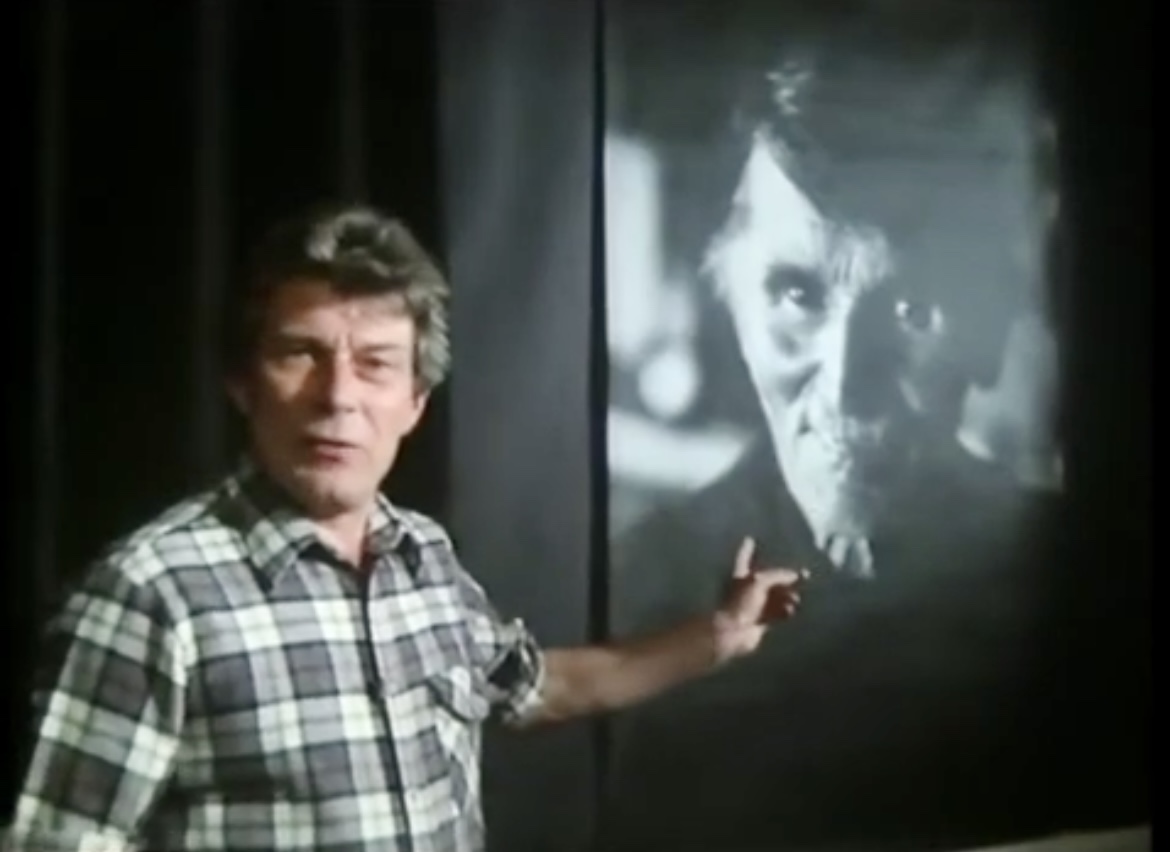
He suggests that cows are as much a part of peasant culture – and by extension our broader global culture due to peasants providing much of our food supply – as houses, fields and rivers. It is all one holistic system that has been operating in symbiosis with nature for thousands of years.
There is a moment in Pig Earth where Berger states that all of the work that a peasant family does in the fields over the 365 days of a year is purely to feed the family and their cows. Every single bit of it.
Of course, things have changed sightly since the 1970’s, but not as much as we might think. The vast majority of the world’s food is still produced by farmers who’s parents, grandparents and great-grandparents all worked the land – people who Berger would think of as peasants.
As we head into a future of less biodiversity, soil erosion, water shortages, constraints on resources like fertilisers and potentially a lack of energy to power things like machinery and agricultural equipment, the skills embedded in peasant culture, passed down through the generations will be needed more than ever.
Perhaps we should think a little more deeply before being so quick to dismiss dairy farming and all that it supports, as presented in a documentary like Cow.
 Fractalis - An ongoing journal


