Staff in Michelin-starred kitchens in the UK and abroad have told researchers how pain – from burns to beatings – continues to be central to building respect and to demonstrate work ethic and character. But far from running from the violence, many embraced it as part of achieving success and inhabited a sub-culture that imbued suffering with “a dark, tawdry kind of beauty”.
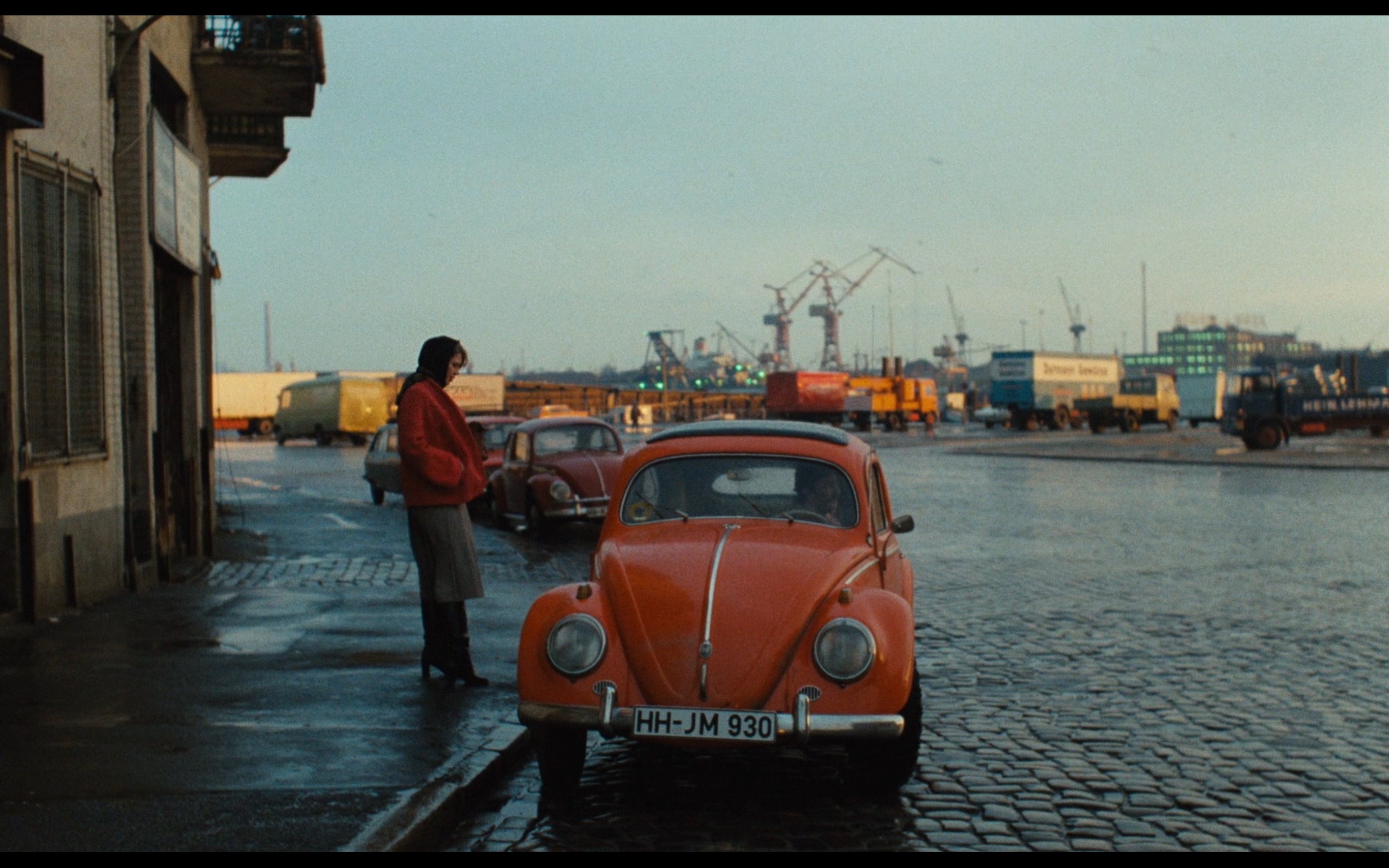
The American Friend (1977, dir. Wim Wenders)
The American Friend somehow manages to coalesce the inner psychological turmoil of the main character – a German maker of picture-frames recently given a terminal diagnosis – with the gritty urban landscape of 1970’s Hamburg and other cities. It’s hard to think of a film that so effectively marries the inner mind with the the outer urban environment in such a tight way as Wim Wenders achieves here. Both the inner and outer worlds depicted in the film seem to be decaying, falling apart at the seams. The problem for Jonathan and the family he supports however, is that decaying cities can be regenerated, whereas decaying bodies – not so much.
There’s much more to this story than terminal decay however. Wenders is a filmmaker inherently aware of the power of spirit and that’s hardly more apparent than in this beautiful piece of work, where he endows the light in every scene with a spiritual majesty that helps to reinforce the fact that there is always a little more to reality than material decay.
P.S. thanks for introducing me to the Old Elbe Tunnel which is cute A.F.
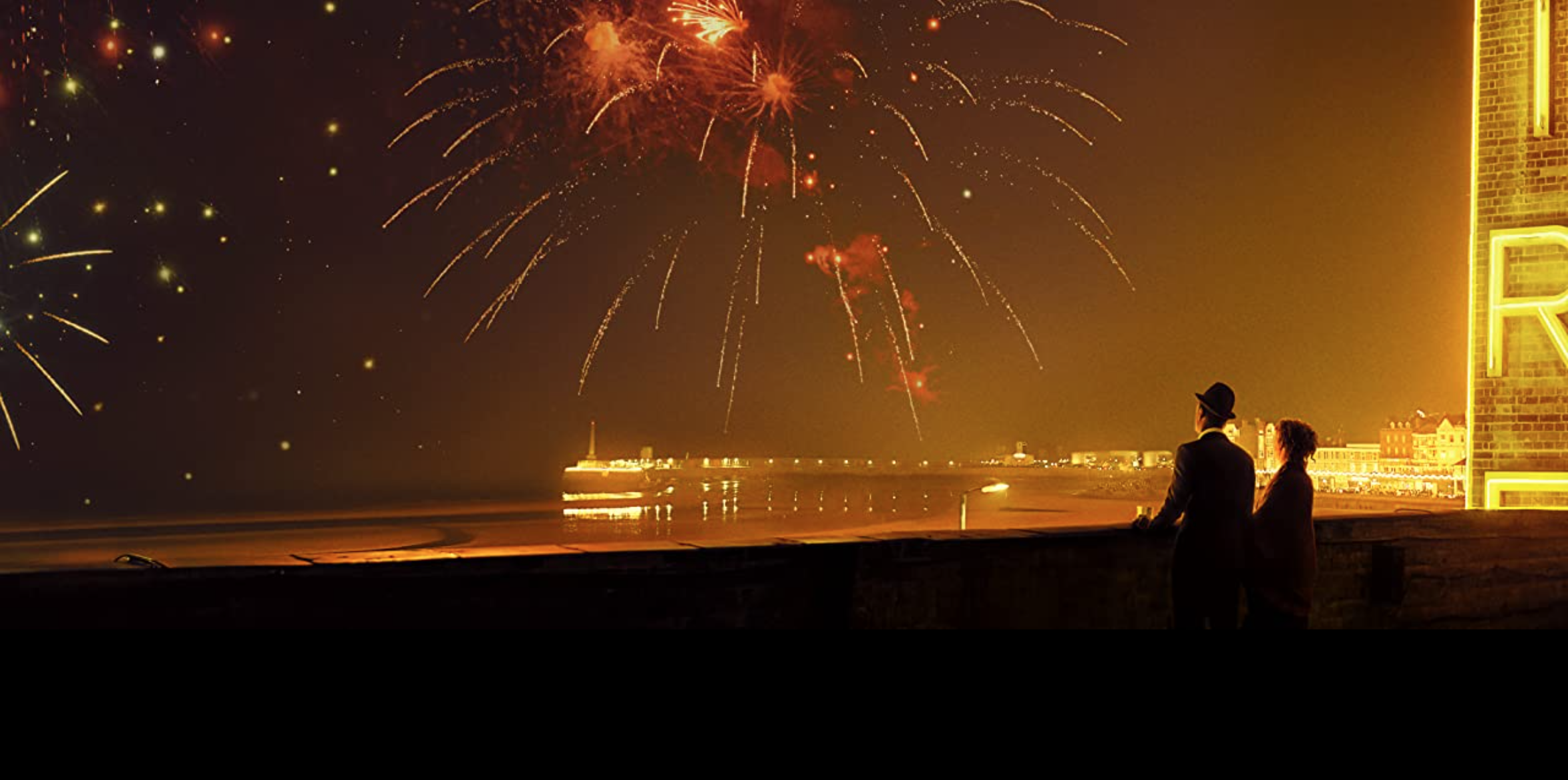
Empire of Light (2022, dir. Sam Mendes)
Life can be hard. It can grind you down as the years roll on by. But it’s by trying to find the light amidst the darkness that allows us to keep going despite all that bears down on us.
The light can take many forms; the stability of a tightly-bound community; the passion of a loving romance; the spiritual pull of great music; an afternoon on an empty beach; the transcendent beauty of the way Roger Deakins captures the subtle hope in melancholic morning sunlight. All these things and many more can send our hearts aflutter and furnish us with the spirit to push on. Whatever works. Just find the light.
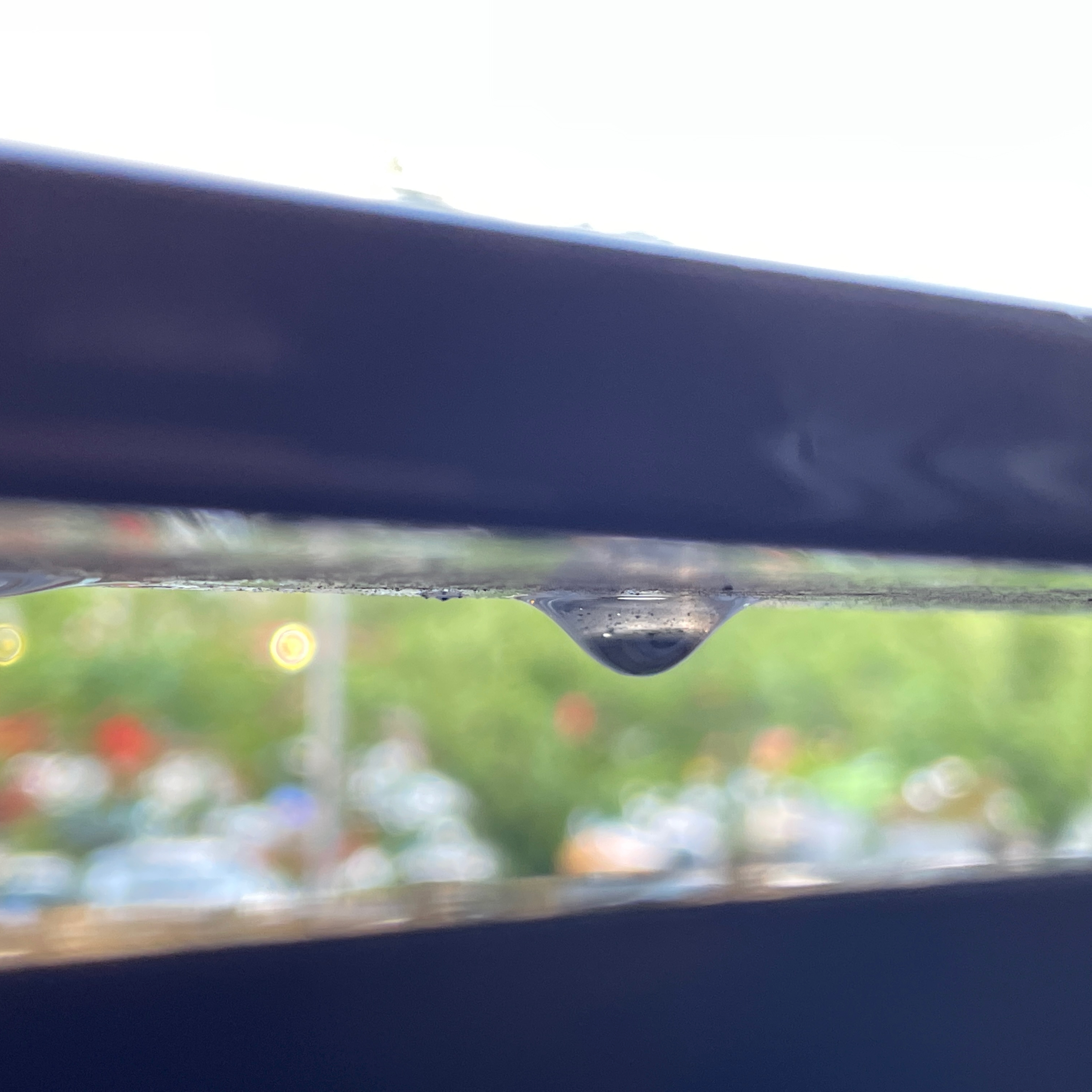
The raindrops dripping on the pavement outside are incessant. Things were fine when I stepped out this morning, but things often deteriorate unpredictably these days.
And yet we press on, as we must.
Speed feels, increasingly, to be the rule. Everything is getting faster, streamlined, efficient. But at what cost? It all makes me want to try and slow down. All this speed feels like a trick, a cleverly devised ruse by those soulless fiends to extract more value from their ‘human resources’.
In a time of incessant acceleration, when there is just so much ‘stuff’ bombarding us from all angles, what else is there to do but slow down and retrain our focus on that which is closer, more pressing, that which has a more tangible link to us and our immediate surroundings?
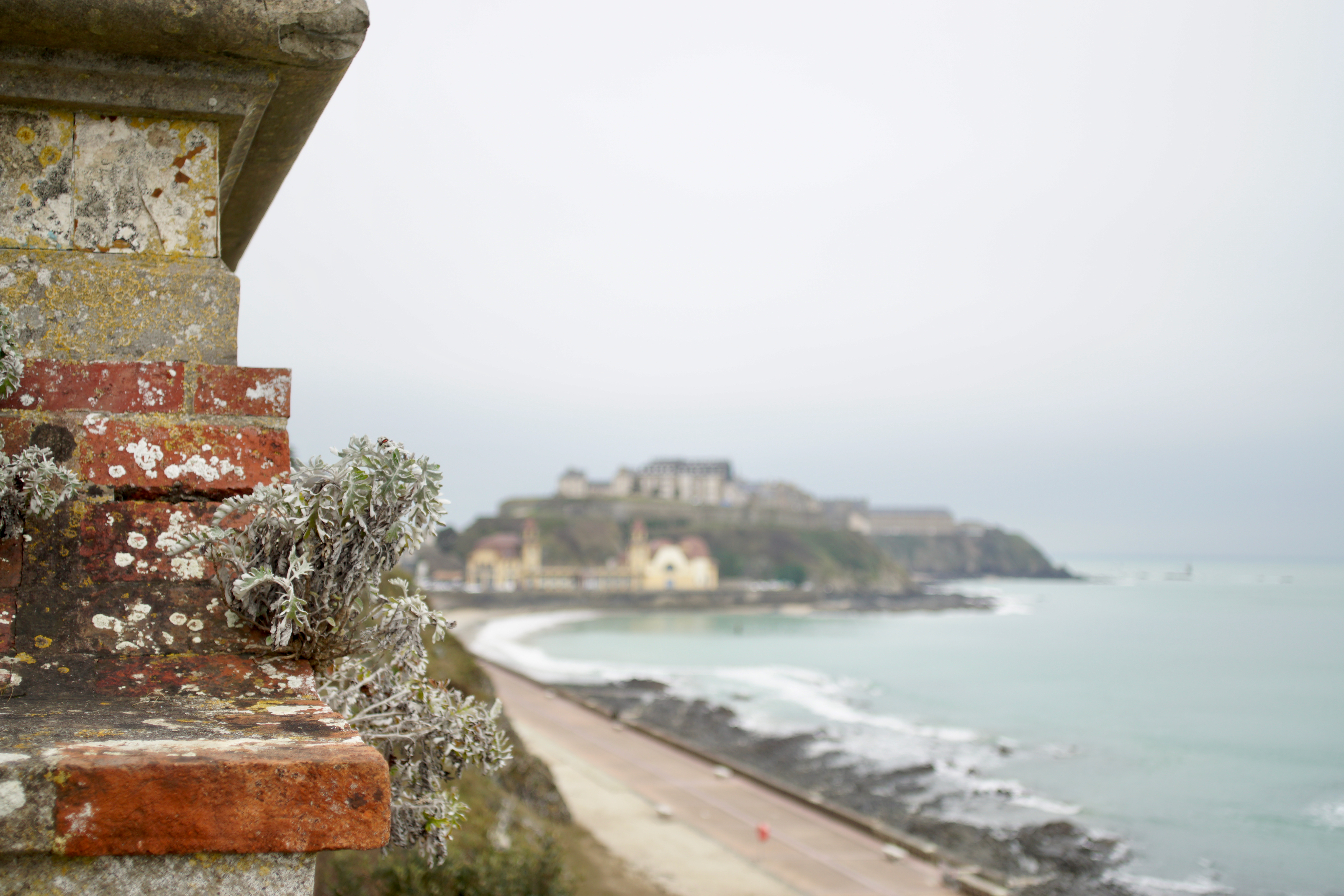
I happened to be in a French port town called Granville last week. I came across a small gateway halfway up a set of steep cliff steps leading to one of the town’s most beautiful houses. Between 1940 and 1944, the town was occupied by Nazi Germany. Without knowing for sure, I somehow have no doubt that Nazi officers would have been living inside that beautiful house perched on the cliff – just because they could. In the shadow of the cliffs there is also a grand casino, very much embedded in the history of the town. No doubt this was also a familiar haunt for bored Nazis stationed a thousand kilometres from home.
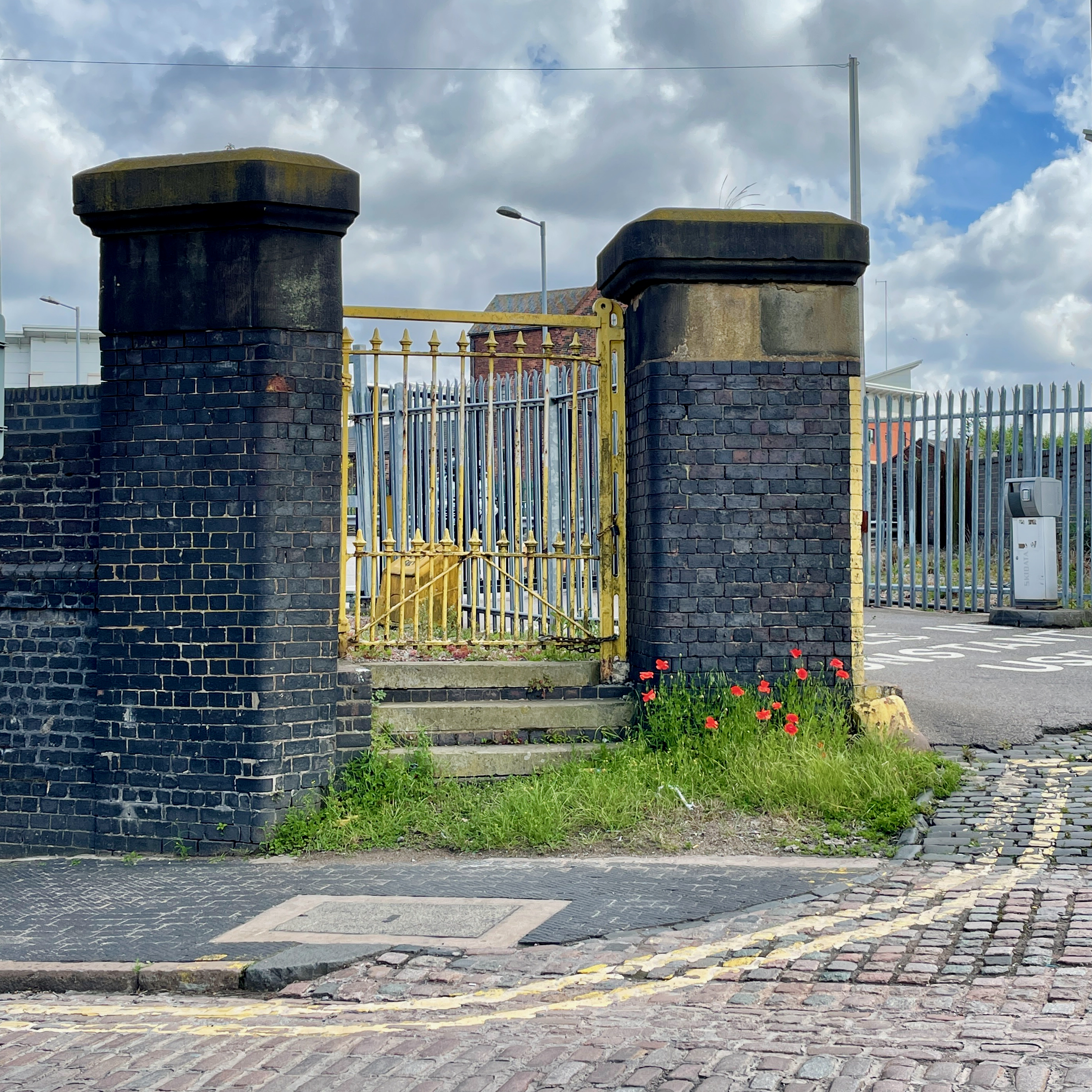
On top of the gatehouse, are a selection of decorative stones, bricks and finials. They can no doubt tell a few stories, as they say. But the decorative stones on that gateway, covered in mossy growth and standing firm in the face of many a storm, were there long before the Nazi fortifications were cast into the same cliffside and will no doubt still be there, reaching toward the grey sky long after we too cease to walk along those cliff paths.
‘This too shall pass’ they say. It’s a cliché of course, but like all clichés, there is more than a morsel of truth wrapped up in its quotidian exterior.
This striking essay piercingly dissects a culture that increasingly refuses to acknowledge the existence of spirit and begins to show how the resulting repression of such a crucial aspect of life breeds a deep pervading insecurity.
Maybe there’s more to reality than cold hard atoms smashing into each other.
At the end of April, in a powerful essay by another writer, Odessa Moshfegh, I read this line about love: ‘Without it, life is just “doing time”.’ I don’t think she intended by this only romantic love, or parental love, or familial love, or really any kind of love in particular. At least I read it in the Platonic sense: Love with a capital L, an ideal form and essential part of the universe — like ‘Beauty’ or the colour red — from which all particular examples on Earth take their nature. Without this element present, in some form, somewhere in our lives, there really is only time, and there will always be too much of it. Busyness will not disguise its lack. Even if you’re working from home every moment God gives — even if you don’t have a minute to spare — still all of that time, without love, will feel empty and endless.
I find it really, really, really hard to empathise with people who do this mid-conversation. But empathise we should, and we must also watch them like a hawk, because the slide into anti-social nihilism that this kind of behaviour indicates is one of the biggest threats to the shared project that we must all become in some way engaged.
“To see a World in a Grain of Sand And a Heaven in a Wild Flower Hold Infinity in the palm of your hand And Eternity in an hour” – William Blake
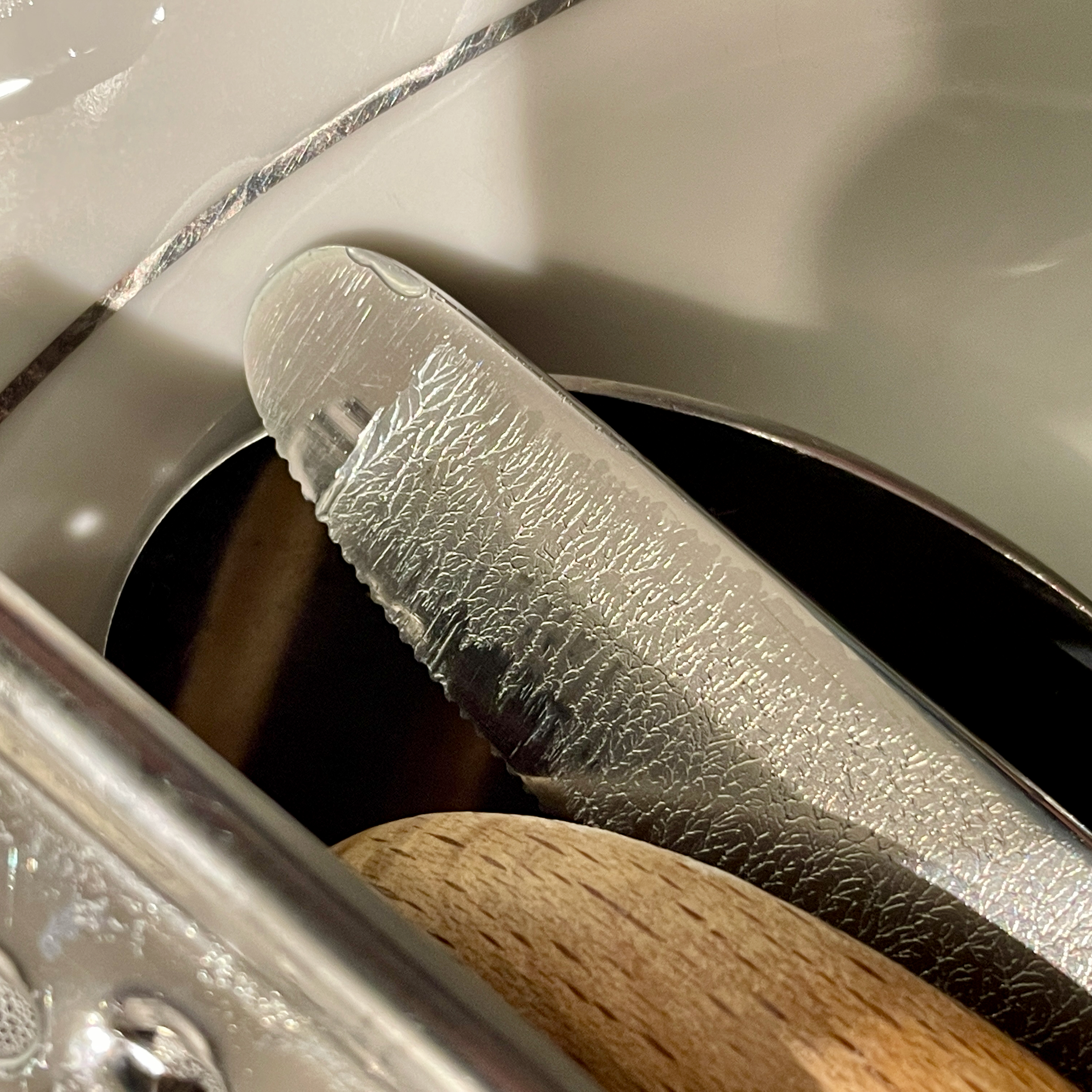
The universe decided to gift me with a wonderful fractal pattern when I cut into a block of butter with this knife.
 Fractalis - An ongoing journal