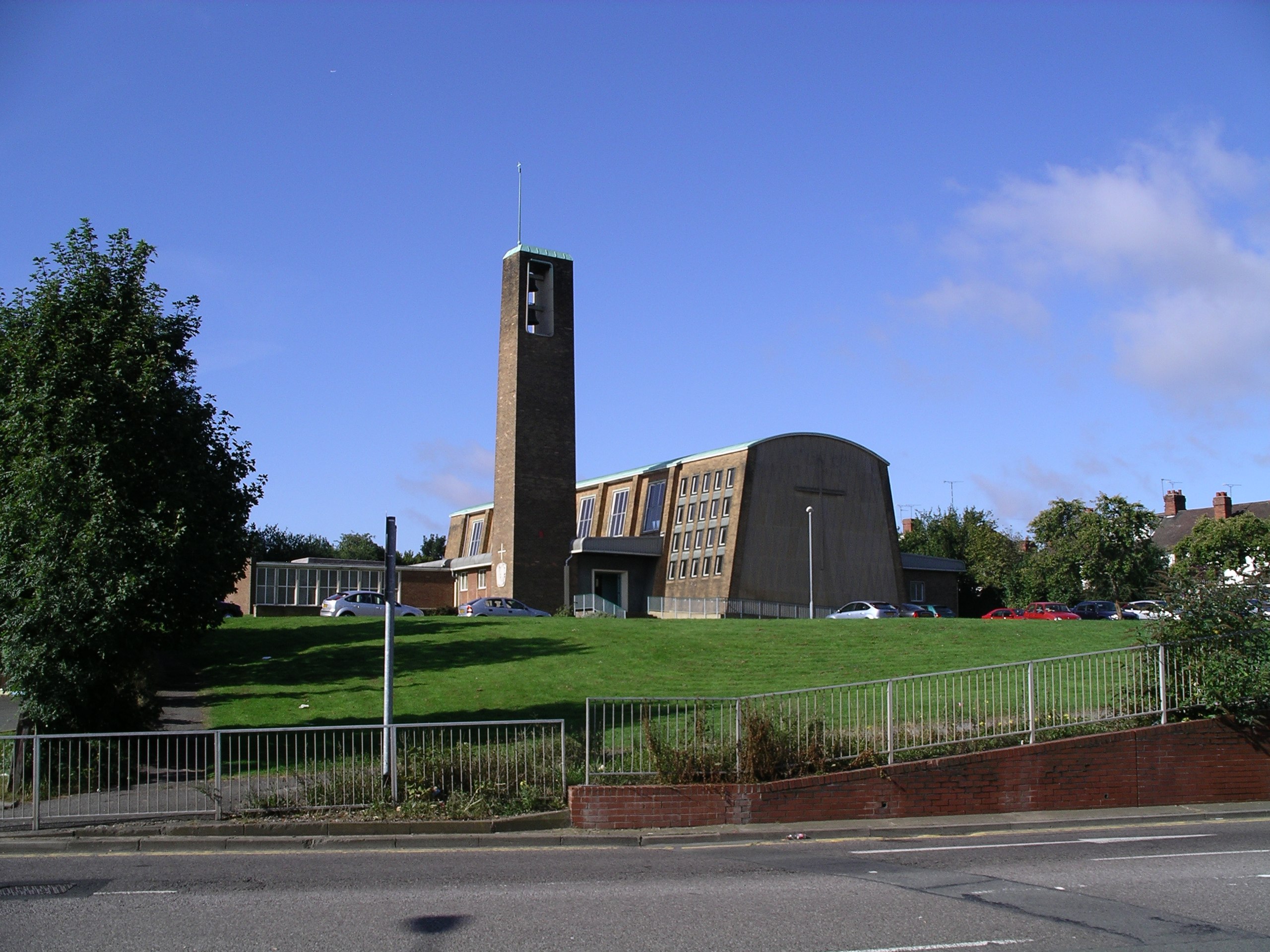
Richard Twentyman (1903-1979)

Photograph: Snowmanradio

St Nicholas Church, Radford – Richard Twentyman, 1957
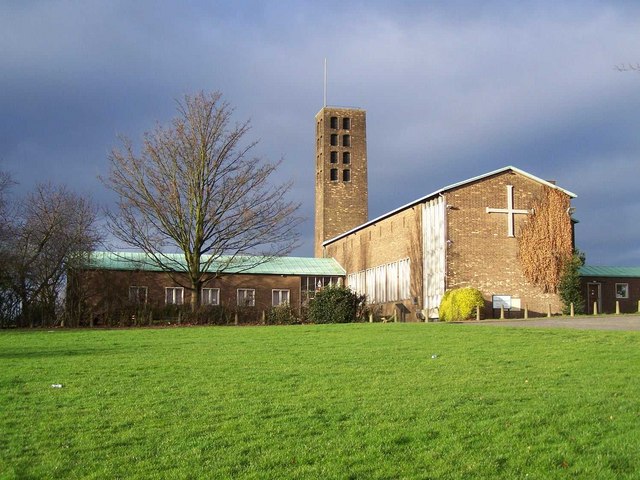

Photograph: Geoff Pick

Emmanuel Church, Bentley – Richard Twentyman, 1956
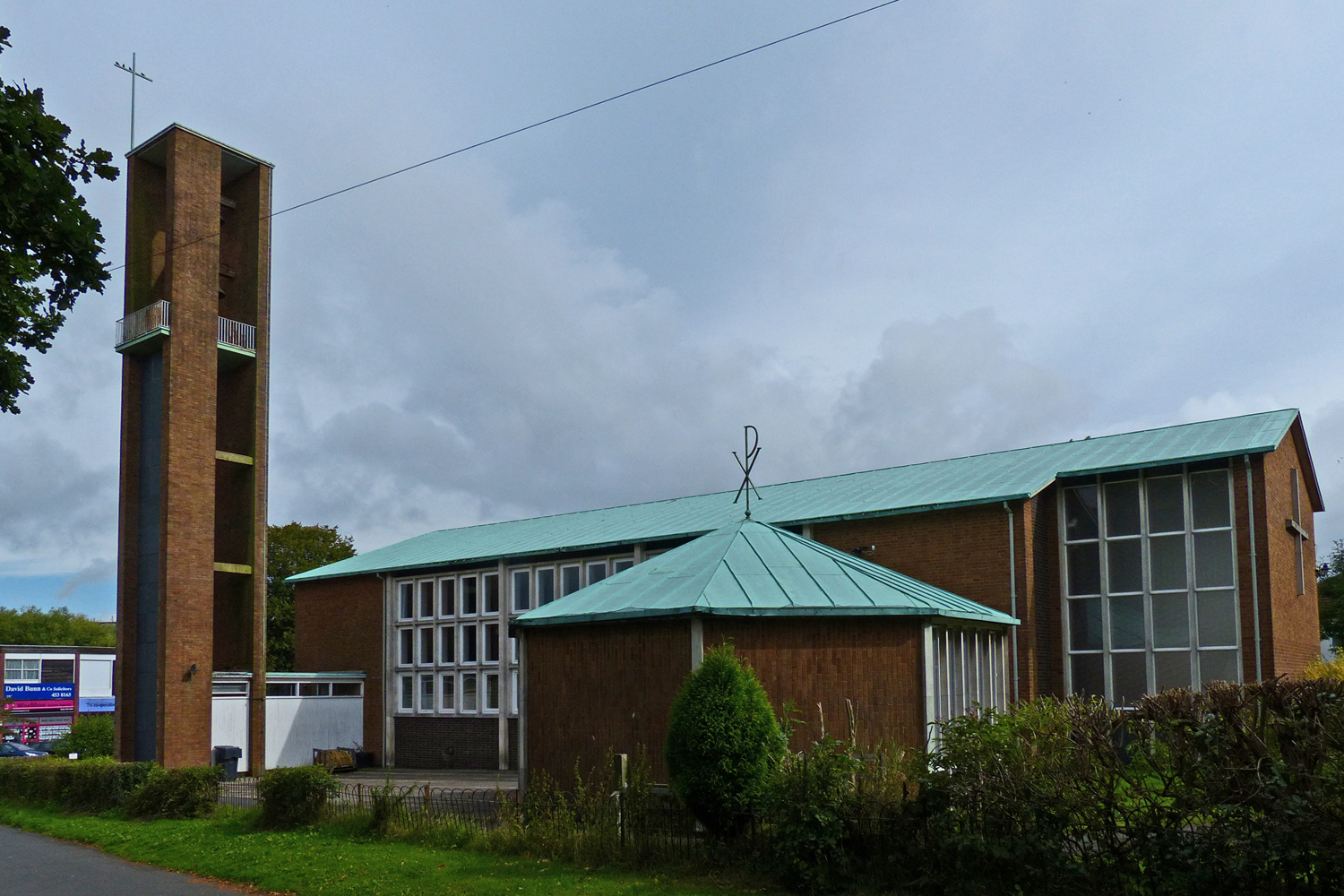

Photograph: worcesteranddudleyhistoricchurches.org.uk

St Chad’s Church, Rubery – Richard Twentyman, 1960
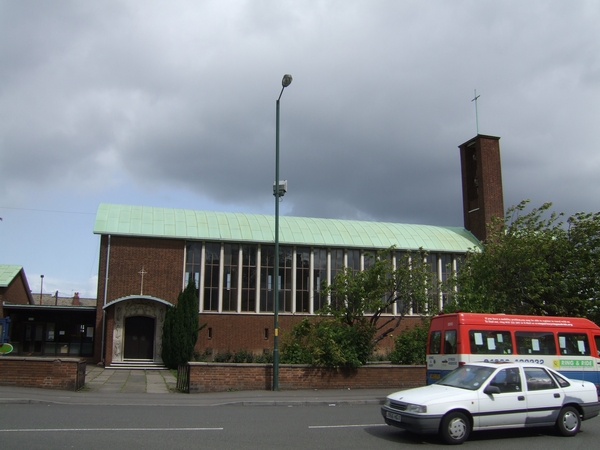

Photograph: John M
Photograph: John M

All Saints Church, Darlaston – Richard Twentyman, 1952

Photograph: John M
Photograph: John M

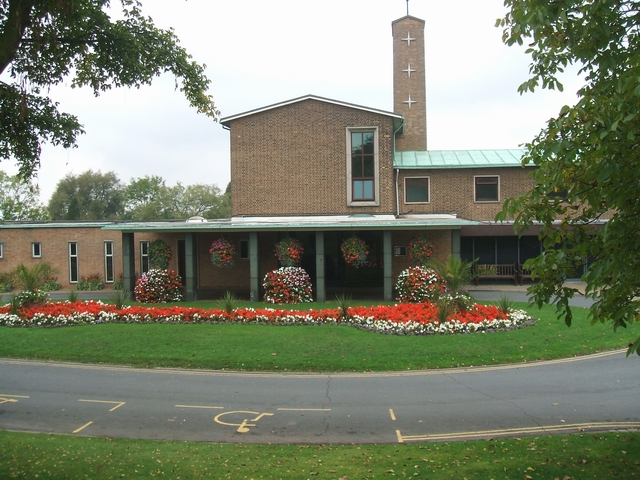
Bushbury Crematorium – Richard Twentyman, 1954

Photograph: historywebsite.co.uk

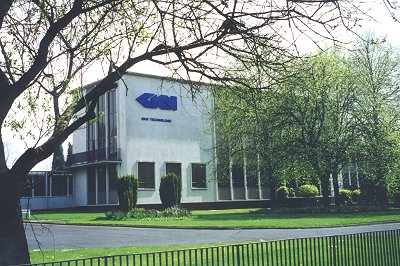
GKN Research Laboratories and Offices, Birmingham New Road, Wolverhampton – Richard Twentyman, 1954

Photograph: historywebsite.co.uk

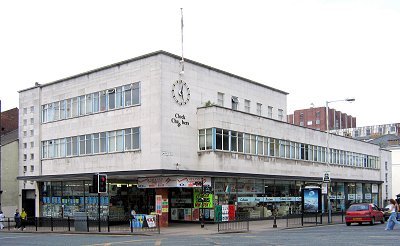
Wolverhampton Gas Company Offices, Darlington Street, Wolverhampton – Richard Twentyman, 1938

Photograph: historywebsite.co.uk

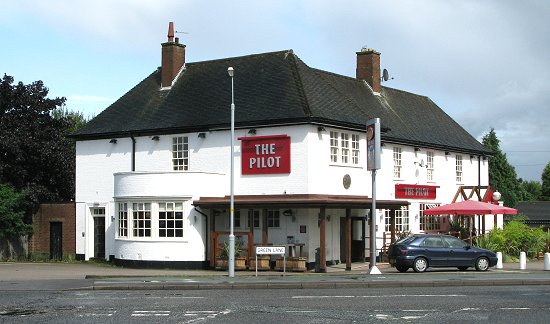
The Pilot, Wolverhampton – Richard Twentyman, 1937
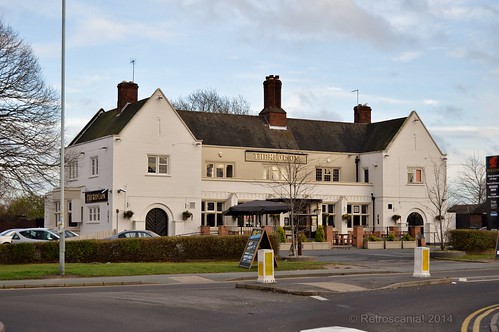

Photograph: Retroscania

The Red Lion, Wolverhampton – Richard Twentyman, 1938
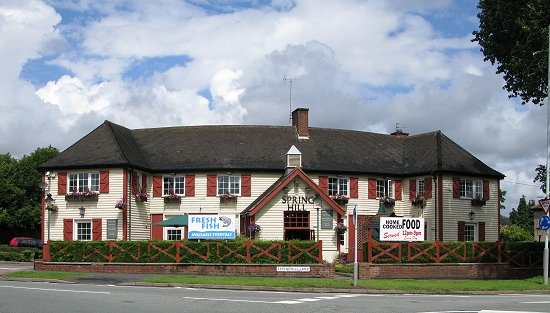

Photographer: historywebsite.co.uk

The Spring Hill, Penn – Richard Twentyman, 1937

Richard Twentyman, an architect from Wolverhampton, designed some wonderful Modernist buildings around the middle of the twentieth century, most of which (sadly unlike that of fellow titan of West Midlands-Modernism John Madin) can still be found standing around the Midlands today.

The influence of the Bauhaus is clear to see in much of his work, no doubt a result of his time spent studying at the radical Architectural Association in London during the 1920’s.

What I find particularly interesting about his body of work, is the curious and unlikely combination of pubs and churches that he decided to turn his hand to across the Black Country. Perhaps with Friday and Saturday nights drinking in the pub and Sunday morning at church, I quite like the idea that there were Black Country folk who may have spent most of their weekend in one of Richard Twentyman’s buildings, for one reason or another.
Favourite Photos #4

2804844052_3eeb3a36dd

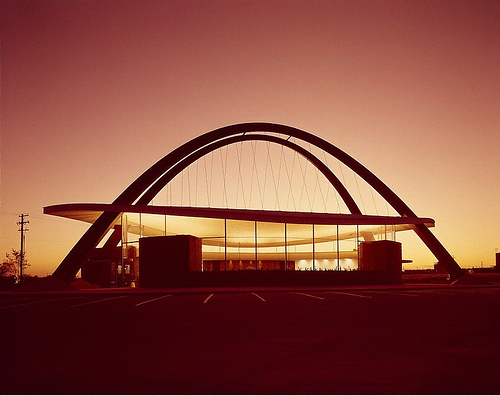
1964 | Julius Shulman – Founders National Bank Building/Bank of America

Julius Shulman was an architectural photographer who became famous in the 1960’s for his photographs of architectural modernism. I am a huge fan of modernist architecture with it’s beautiful converging lines and progressive style. Shulman’s photographs really show the style at its best and deserve to be more widely seen.

This particular photograph is one of my favourites by Shulman. Taken at magic hour, the photo manages to give the building an ethereal glow which almost makes it look like an alien spacecraft waiting to fly off into the night.

I may do a separate post about Julius Shulman in the future but in the meantime, if you want to see more of his pictures, there is a good selection here.

The Greatest Movie Theatre in the World?

It may not look like much from the outside but this old New York movie theatre-turned church is one of the most ambitious pieces of theatre architecture I have ever seen.

It was built by the Loew’s cinema chain in 1929 as one of its five flagship “Wonder Theatres” in the New York Area. As you head inside through the entrance lobby, you begin to realise that this is no ordinary theatre….

When you finally see the theatre itself, it’s hard not to be taken aback by the sheer scale of the place and the amount of detail that has been put into every aspect of it….

The design attempts to imitate a traditional Spanish/Mexican town and the level of detail used to achieve the illusion is truly extraordinary. There is even a night sky effect including stars painted onto the ceiling.

It is truly amazing that such an architectural gem has managed to survive in such great shape after so many years. If nothing else, the theatre demonstrates the importance of preservation in the modern age. At a time when so many works of architectural beauty have been lost forever by over-eager property developers looking to make easy money, it is encouraging to see a piece of our cultural heritage still looking so fine.

The thing that strikes me most about the theatre however is how it demonstrates the striking lack of inhibition in 1920’s America. People weren’t afraid to put big and bold ideas into practice. If you’re going to build a movie theatre why not make it the most exciting movie theatre in the World? Design just doesn’t seem to happen on this scale anymore and that’s a real shame.

All of these pictures are from scoutingny.com, a fantastic blog by a film location scout based in New York. There are not only lots more pictures of this theatre on the blog but also hundreds more posts about the mind-blowing architecture that New York has to offer.