“All civilisations become either spacefaring or extinct” – Carl Sagan
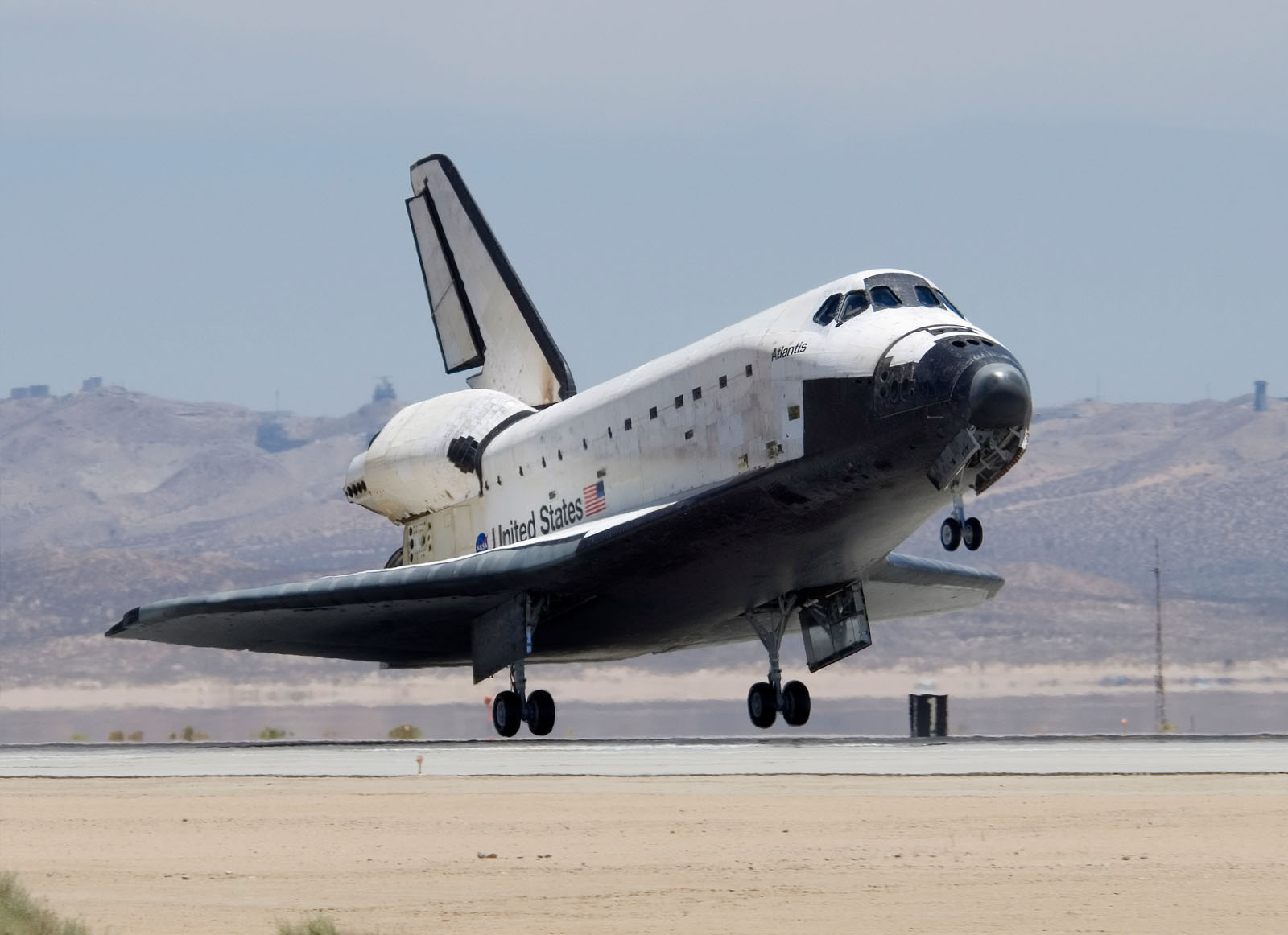
NASA’s Space Shuttle was a fantastic feat of engineering in many ways, completing 133 missions during its 30 year lifetime. There are numerous ingenious pieces of technology that allowed the Space Shuttle to repeatedly travel into space and return safely but today I want to highlight just one that blows my mind.
When NASA first started preparing to send human’s into space, it was clear that a way to protect them from the intense heat experienced during re-entry into the atmosphere would need to be found. When the Space Shuttle re-enters the Earth’s atmosphere it is typically travelling at over 17,000 mph and therefore the number of air particles hitting its body every second is huge, causing an immense amount of friction which in-turn leads to temperatures in excess of 1,600°C. The melting point of steel is around 1,370°C so it was clear that a much more advanced material needed to be found.
Decades of research was carried out, finally resulting in the reusable ceramic tiles that can be seen on the Space Shuttle. They are made from a material called LI-900 which mostly consists of silica (silicon dioxide) glass fibres. The genius of the tiles lie in their very low thermal conductivity. This means that heat energy travels extremely slowly between the atoms inside the tiles. The video below demonstrates just how amazing the tiles really are.
The demonstrator in the video explains that the blocks have been in the oven at 2200°F (around 1200°C) for “hours” and then proceeds to pick one up just seconds after it has been removed from the searing heat. The reason he doesn’t get burnt is because of the extremely low thermal conductivity of the tile, meaning it takes a long time for heat energy to be transferred from the tile to the demonstrators hand. It is important to understand however that the tile is still around 1200°C which shows that how “hot” something feels when we touch it has nothing to do with its temperature, but instead depends on its thermal conductivity. This idea is shown superbly by Derek Muller in the video below.

 Fractalis - An ongoing journal